1. The API rod pump can be lowered into the tubing as a whole along with the sucker rod. When checking the API sucker rod pump, there is no need to lift and lower the tubing, which greatly shortens the operation time. Since the operation time is shortened and the number of times the tubing is unfastened is reduced, the service life of the tubing is extended. 2. The sealing support joint of the API rod pump is universal with the tubing. When changing different pump diameters, there is no need to adjust the tubing string of the API rod pump, which reduces maintenance costs. 3. The API rod pump produced by our company has a wide range of applications, suitable for thin oil wells, heavy oil wells, high condensate oil wells, steam drive wells, deep wells, sand-containing wells, gas-containing wells, etc. The API rod pump solves the current problems of sand production in heavy oil wells.
EmailMore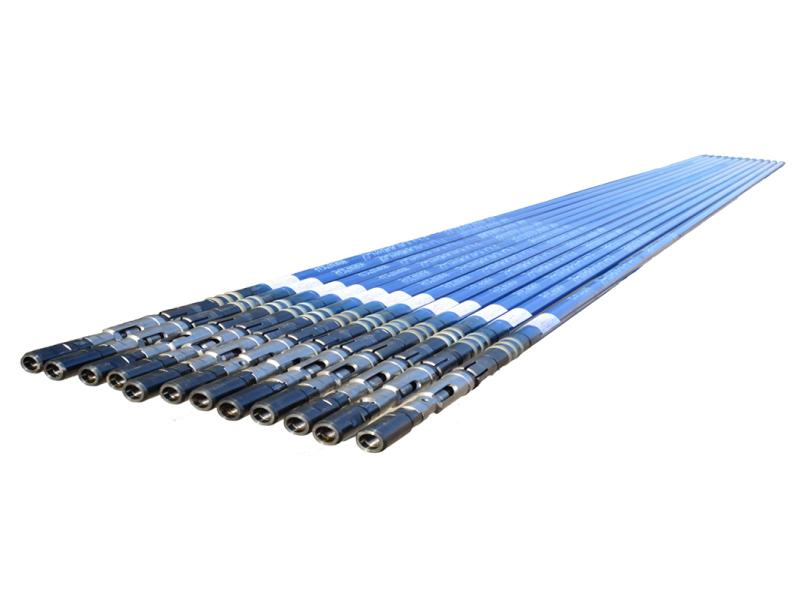
1. API tubing rod pumps adopt an integrated thick barrel design, which can achieve precise matching of the plunger after precision grinding, and API tubing rod pumps adopt a large inner diameter design to increase the fluid displacement of each stroke. 2. API tubing rod pumps are designed with heavy-duty structure to withstand high loads, corrosion and extreme wear. 3. All wearing parts of API tubing rod pumps adopt modular design. On-site maintenance and replacement do not require large-scale lifting. API tubing pump can be directly disassembled and assembled at the wellhead manually. The interchangeability between API tubing rod pump parts is strong, and API tubing pump are suitable for various specifications of tubing and sucker rod systems.
EmailMore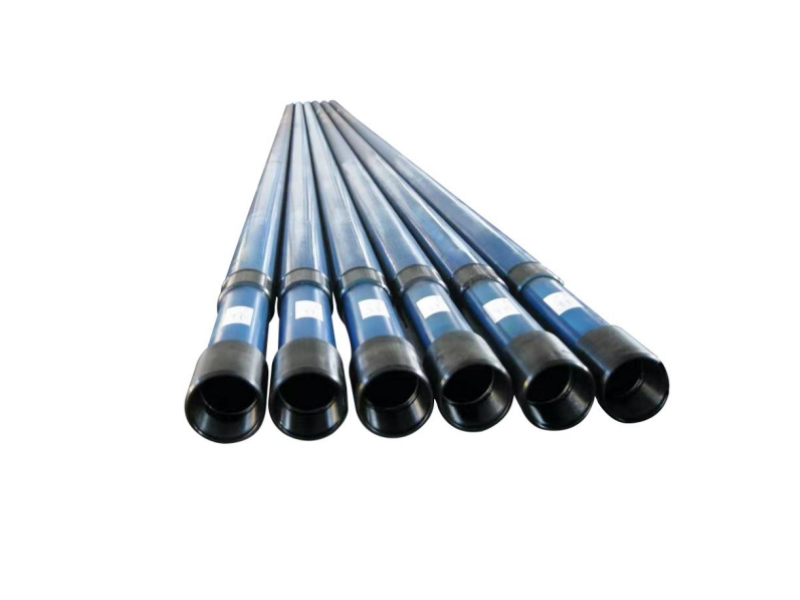
1. TH Tubing Rod Pumps(sucker rod tubing pump) can be selectively manufactured at the factory to match precisely with a diverse collection of requirements of the customers. On the other hand, TH Piping Pump(sucker rod tubing pump) is a kind of product that is manufactured in large quantities with the lengthening of pump tubes. 2. The plunger face of the TH Tubing pump(sucker rod tubing pump) was nickel-based alloy sprayed, the pump barrel's inner surface was hard chrome plated, and the valve cover and valve ball are high corrosion and wear-resistant material. 3. Besides that they are capable of resisting corrosion and wear, the life of the TH Tubing Pump(sucker rod tubing pump) is 1 to 3 times that of the ordinary ones.
EmailMore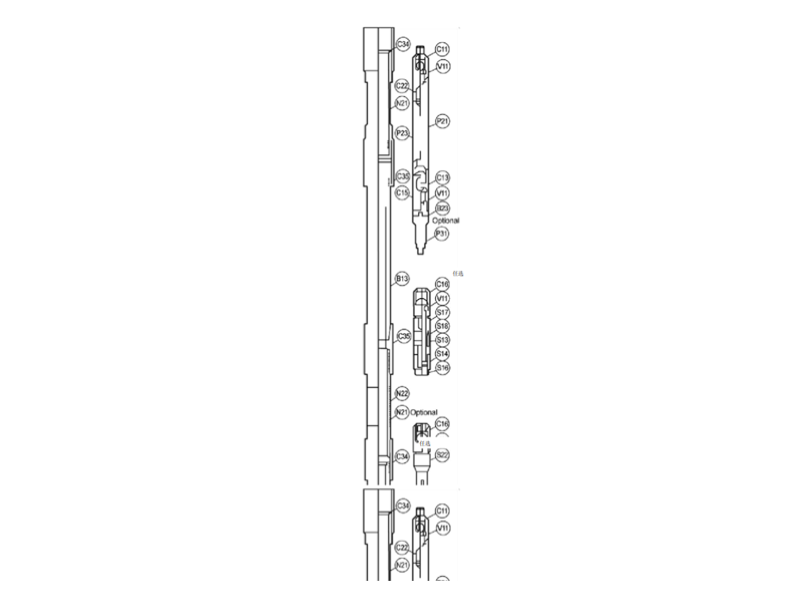
1. The RHA Insert rod pump features a thick-walled design, top anchoring, and is API-approved as a standard design. 2. The RHA Insert rod pump is suitable for medium-depth wells, sand-laden wells, and shut-in sand recovery sections. 3. Our RHA API insert pumps are reliable and durable, meeting international standards, and are available with custom materials and coatings.
EmailMore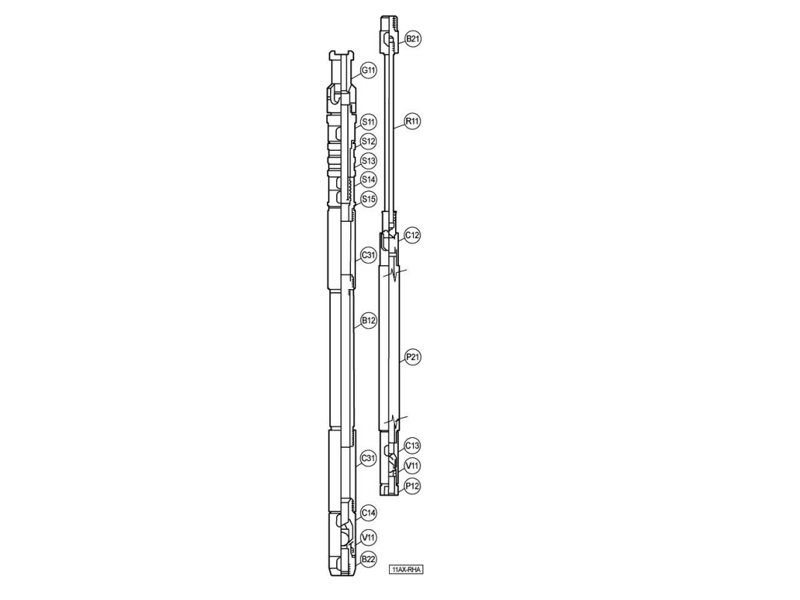
1. RWA insert rod pump's unique leather bowl support joint is fixed to the oil pipe. In case of failure, only the pumping rod and column can be brought out to bring out the whole pump, greatly simplifying maintenance operations. 2. The pump barrel of oil well rod pump adopts electroplating/nitriding treatment, the plunger adopts spraying/electroplating process, and the ball seat uses stainless steel/cemented carbide and other materials, which significantly improves the wear resistance and corrosion resistance of the core accessories. 3. The plunger assembly of RWA insert rod pump pumps oil with the movement of the sucker rod, forming an efficient working pair with the fixed pump cylinder, with a simple and reliable structure and high operating efficiency.
EmailMore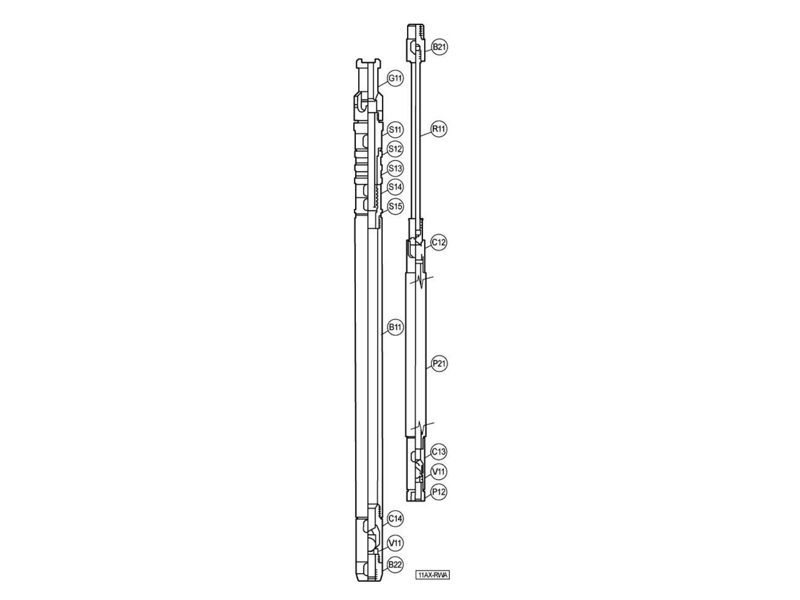
1. RWB API insert pumps are capable of operating under a variety of conditions, e.g. low-sand wells and low-level wells, and the certification by API assures the quality of the product to be reliable. 2. RWB API insert pumps feature a high flow rate and a wide inner diameter pump cylinder, which facilitate enhancing the daily oil production of a single well.。 3. The oil rod pump consists of a fixed bottom + fewer connection design, which helps in significantly minimizing potential failure and wear.
EmailMore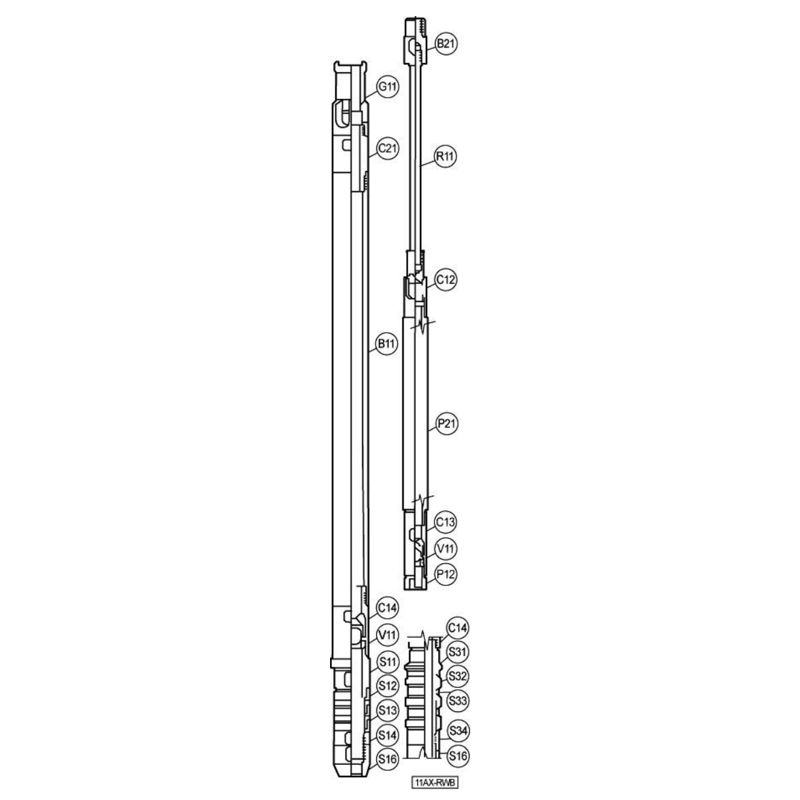
1. The thick walled pump barrel of RXB API insert pump(sucker rod pump) is designed to achieve efficient oil recovery at a depth of 10,000 feet and is suitable for medium deep to deep well conditions. 2. The fixed structure at the bottom of the RXB API insert pump eliminates the "breathing effect" of the pump barrel, and the operating stability of the RXB API insert pump is improved by more than 30%. 3. RXB API insert pump adopts all stainless steel overcurrent parts + wear resistant coating, and the service life of RXB insert rod pump is 1-3 times longer than that of traditional models.
EmailMore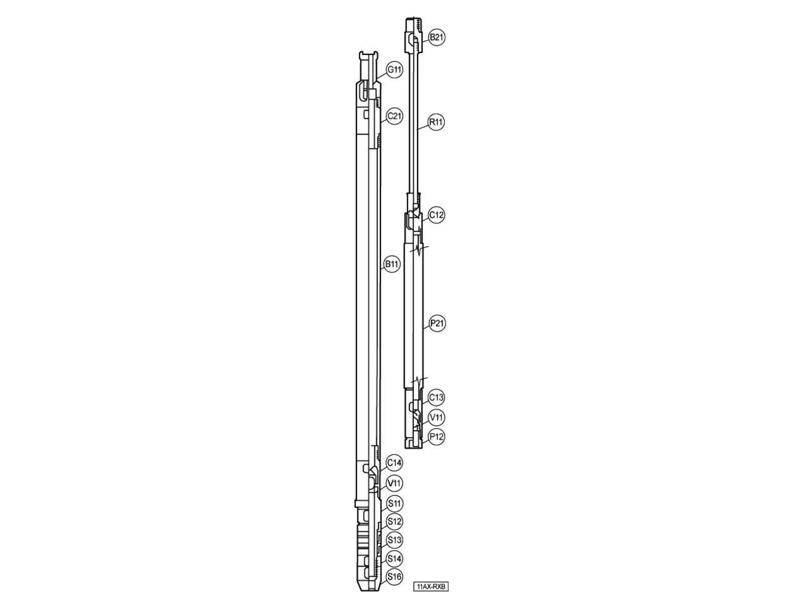
1.This API standard pump follows the API 11AX standard, is well sealed, wear-resistant, and can operate stably under complex operating conditions. 2.API standard pump has a precise structure and a sand-proof device, which extends the vulnerable life of API standard pump, reduces maintenance, and is cost-effective. 3.This downhole sucker rod pump has many specifications and wide adaptability. It can be used in deep wells on land and sea, and we support customization on demand.
EmailMore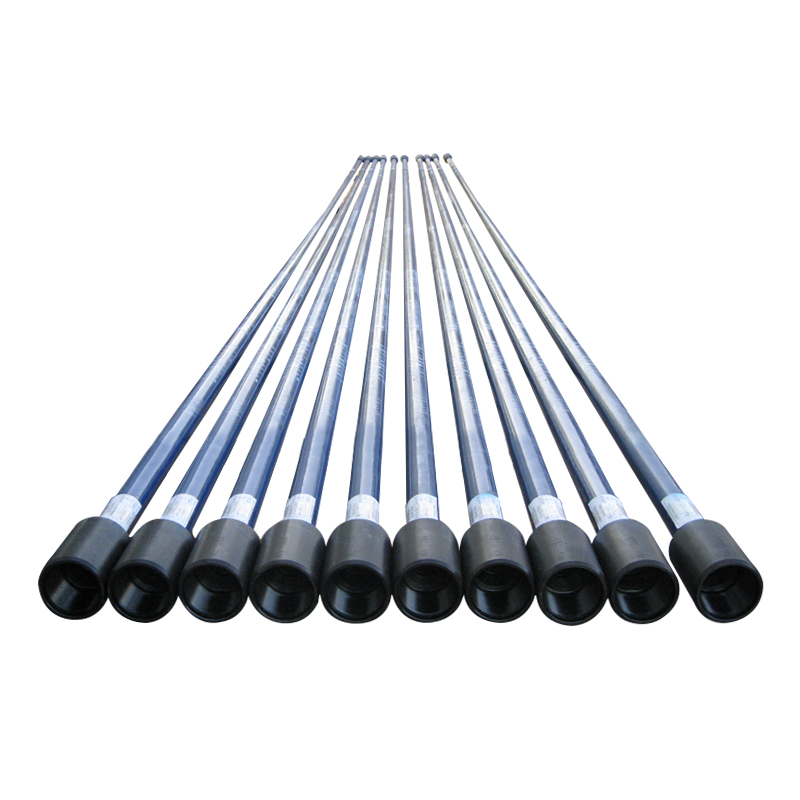
1. API 11AX sucker rod pump is produced in strict accordance with the API SPEC 11AX specification, and the core components are authorized to use the API monogram. 2. The chrome-plated + plunger spray-welded nickel-based alloy process of the pump barrel given by API 11AX sucker rod pump has a corrosion resistance and wear-resistant life that is 1-3 times higher than that of ordinary pumps. 3. API 11AX sucker rod pump supports 28-108mm multi-pump diameter specifications, suitable for long-stroke deep pumping scenarios, and the pump efficiency is as high as 90% or more.
EmailMore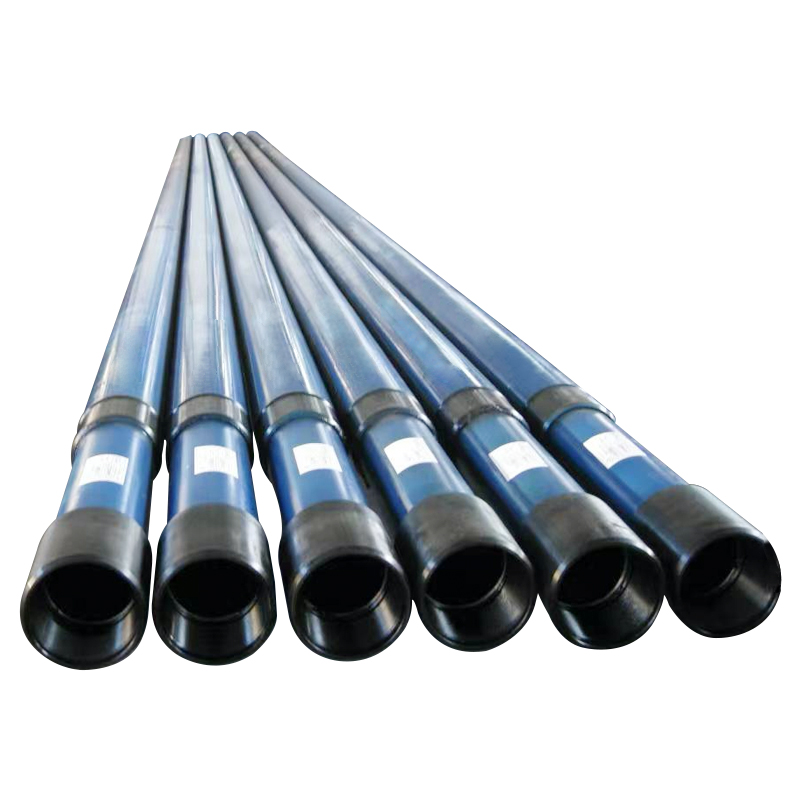
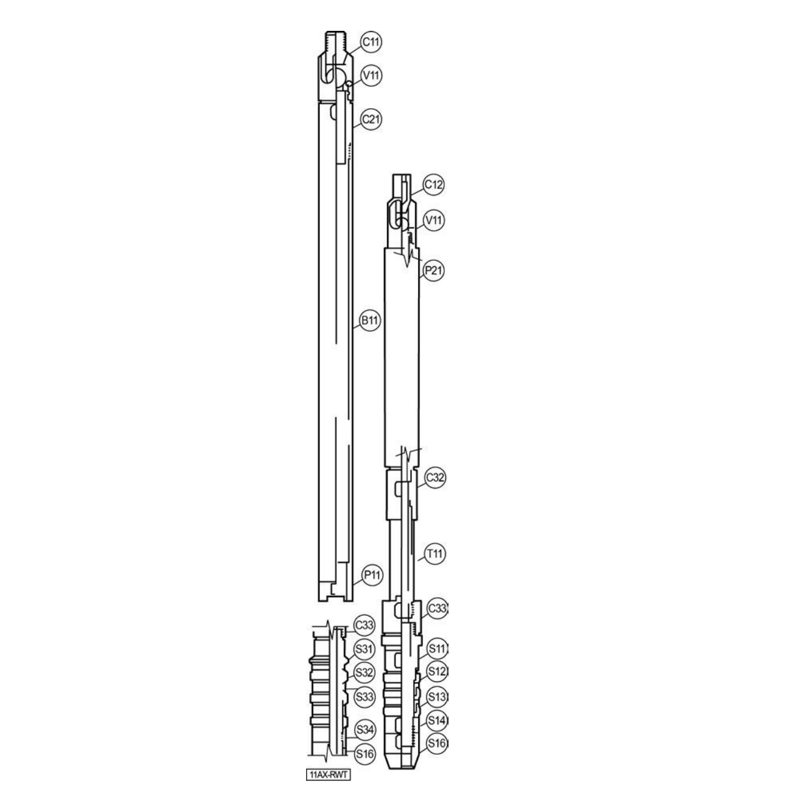
1. RWT API insert pumps can be used with the pumping rod column, which does not affect the oil pipe column, greatly saving operating time and cost. 2. This RWT API insert pumps is especially suitable for oil wells with small displacement pumping and deep pumping, which can meet a variety of working conditions. 3. The unique design of RWT API insert pumps reduces the risk of sand particles and other sedimentation stuck in the pump and ensures the stable operation of the pump.
EmailMore