
05-30/2026
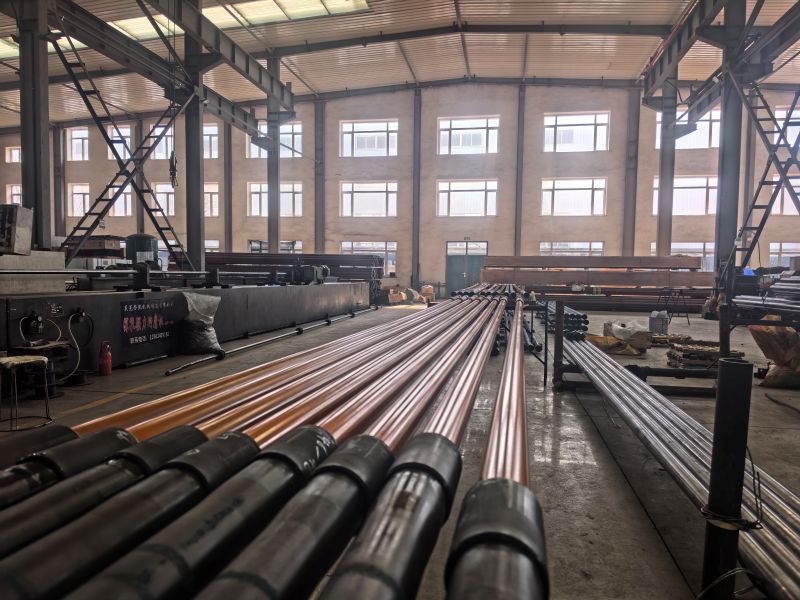
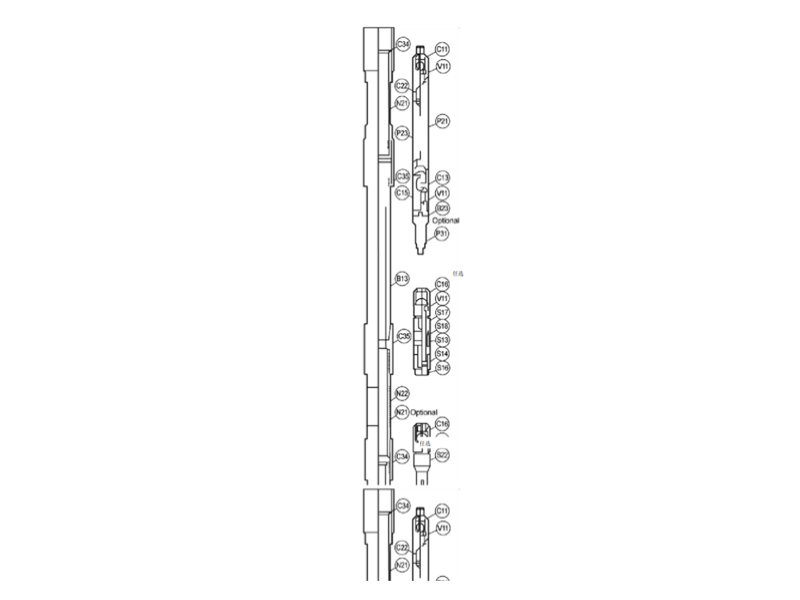
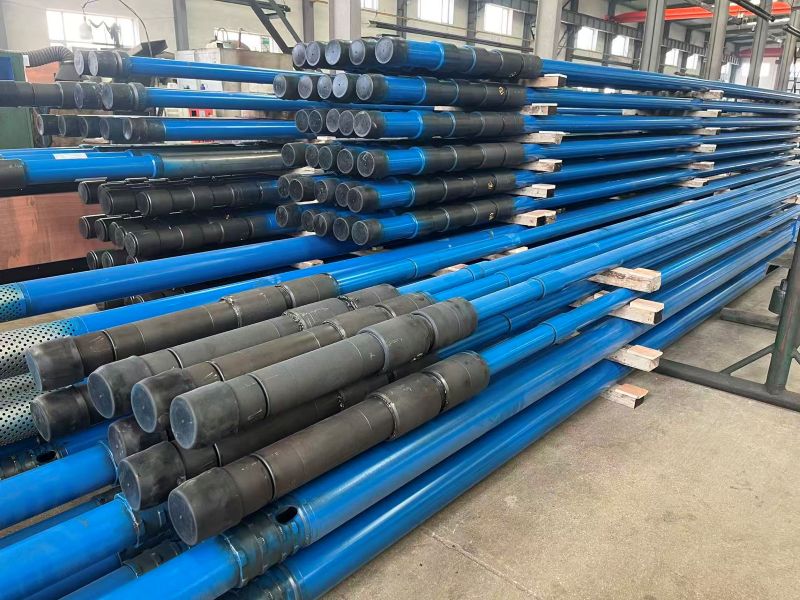
The key to reducing maintenance costs for Oil Tubing Pumps lies not merely in selecting lower-priced products, but rather in choosing pump specifications that comply with API standards—tailored to specific well conditions—and subsequently lowering long-term operating expenses by mitigating issues such as fluid hammer, gas locking, abrasive wear caused by sand, and unplanned well interventions. In common oilfield scenarios—including deep wells, wells with high sand or gas content, and heavy oil wells—maintenance costs typically far exceed the initial equipment procurement costs. Consequently, an increasing number of oilfield operators, when purchasing Tubing Pumps, look beyond just the product price to evaluate factors such as equipment reliability, maintenance intervals, spare parts replacement frequency, and the total Life Cycle Cost. For oil wells requiring long-term, stable production, proper equipment selection and scientifically sound maintenance practices are often far more effective in controlling overall costs than simply cutting the initial procurement budget.