
Get the latest price? We will reply as soon as possible (within 12 hours)

News

  • Oil Rod Pump Selection Gains New Focus in Mature Fields
    12-13/2025
    As oil producers enter another year of operating in mature and technically demanding reservoirs, artificial lift strategy is quietly undergoing a shift. Rather than pursuing short-term production gains, operators are increasingly prioritizing engineering accuracy, system reliability, and lifecycle cost control. At the center of this transition is the oil rod pump​, still the most widely installed artificial lift system in onshore oilfields worldwide. Industry experts note that its long-term performance depends less on the pump itself and more on how rigorously it is selected. In recent months, engineering teams across Asia, the Middle East, and parts of Latin America have revisited formal pump selection standards as failure rates in complex wells continue to rise.
  • Oil Rod Pump vs. ESP
    12-13/2025
    As global oilfields mature and production conditions become increasingly complex, selecting the right artificial lift system is decisive for controlling operating costs (OPEX) and minimizing downtime. While Electric Submersible Pumps (ESP) dominate high-volume offshore and deep-well applications, Oil Rod Pumps (Sucker Rod Pumps) remain the undisputed king of onshore and mature field economics. In recent years, a strategic shift has emerged: operators are increasingly replacing ESPs with rod pumps in mid-to-late life wells. This article analyzes the technical and economic reasons behind this trend and explains why the oil rod pump remains the preferred choice for maximizing Total Cost of Ownership (TCO).
  • Oil Rod Pumps: Factors Affecting Service Life
    12-13/2025
    The 2025 Expert Guide: From Engineering Logic to Field Realities. Authoritative Guide for Operators, Engineers, and Procurement Teams. Who is this guide for? This guide is designed for: Oilfield Operators who want to reduce pump failures and stabilize production. Artificial Lift Engineers who require deeper insight into material selection, tolerances, and downhole wear mechanisms. Procurement Teams looking to make smarter sourcing decisions and avoid hidden lifecycle costs. Maintenance Supervisors aiming to implement predictive maintenance instead of reactive repairs. Energy Service Companies that need up-to-date 2025 engineering standards and field-proven practices.
  • The Ultimate Guide to Oil Rod Pump Maintenance
    12-12/2025
    In the artificial lift sector, the Sucker Rod Pump (SRP) remains the dominant technology due to its reliability and flexibility. However, operational inefficiency and premature failure continue to cost the industry billions annually in workover expenses (OpEx) and deferred production. As we navigate through 2025, the maintenance of these pumps has evolved from a reactive "run-to-failure" model to a proactive, data-driven discipline. This comprehensive guide details the technical nuances of maintaining oil rod pumps, combining legacy field experience with modern API standards and digital monitoring technologies.
  • Oil Rod Pump Supplier Reliability Check Guide
    12-12/2025
    How to Spot a Partner vs. a Pretender in the Artificial Lift Supply Chain. A Field-Tested Guide for Procurement Managers and Production Engineers. Introduction: The High Cost of a "Cheap" Supplier In the oilfield, the price of an oil rod pump (SRP) is irrelevant if it fails in three weeks. We have all been there: You find a supplier offering a "great deal." The PDF catalog looks shiny. The salesperson promises the world. But when the pump arrives, the threads are rough, the barrel plating is thin, or worse—the supplier vanishes when you need a warranty claim. In 2025, the global supply chain is flooded with "Middlemen," "Box Movers," and "Virtual Factories." For a procurement manager, the challenge isn't just finding a pump; it's filtering out the noise to find a Real Manufacturer. This guide provides a rigorous 7-Step Reliability Audit. We will show you exactly how to vet a supplier, using Tieling Dongsheng Petroleum Machinery (DS oil rod pump) as a benchmark for what a qualified, factory-direct partner should look like.
  • Top 7 Oil Rod Pump Questions Buyers Care About Most in 2025
    12-06/2025
    As the global oil industry moves into 2025, the demand for oil rod pumps shows no sign of slowing down. Many onshore fields continue to rely on rod lift systems because they’re stable, economical, and easy to maintain. With higher well intervention activity and more brownfield upgrades worldwide, buyers have become more selective when choosing rod pumps. In Google Search, questions related to oil rod pump lifespan, deviation wear, API standards, materials, and price trends keep rising. buyers want practical answers—not textbook explanations. To help procurement teams, dealers, and oilfield operators make better decisions, this article breaks down 2025’s most-searched oil rod pump questions, explains how these issues impact real-world production, and offers straightforward guidance based on industry facts.
  • Global Oilfields Push Output Higher, Driving New Demand for Oil Rod Pumps in 2025
    12-05/2025
    ​Global oil markets are entering 2025 with steady momentum. Upstream spending is rising, well intervention activity is increasing, and multiple international agencies confirm that the investment cycle that began in 2023–2024 is far from over. Although the pace of growth has moderated, the overall direction remains positive. Oil demand stayed slightly above expectations in 2024, and most global forecasts point to moderate, stable consumption through 2025. As a result, major producers are maintaining high operating levels across their onshore assets, while several regions are preparing additional drilling programs, workover campaigns, and well-restoration projects. For procurement teams, these developments matter. They shape supply-chain availability, influence technical decisions, and affect the timing and volume of each oil rod pump order. The oil rod pump remains one of the most widely deployed artificial-lift systems in mature and developing fields, which means even modest increases in well activity can create noticeable pressure on equipment supply.
  • What Overseas Buyers Should Know Before Importing Oil Rod Pumps from China
    12-05/2025
    — A Comprehensive, High-Value Guide for Global Oilfield Operators and Equipment Distributors: As global demand for artificial lift technology continues to expand, more oil producers and procurement teams are turning to China as a key sourcing destination for oil rod pumps. In the last decade, China has not only scaled up production but has also significantly improved material science, manufacturing precision, and API-compliant quality management. However, importing rod pumps is not simply a matter of choosing the lowest price. Overseas buyers must understand industry standards, well conditions, lifecycle costs, supplier capabilities, and international logistics risks in order to secure reliable equipment and avoid costly failures.
  • What Oil Producers Should Consider Before Purchasing an Oil Rod Pump in 2025
    12-04/2025
    Introduction: Why Choosing the Right Oil Rod Pump Matters More Than Price: In most onshore oilfields, oil rod pumps remain one of the most common and cost-effective artificial lift methods. For procurement and operations teams, selecting the right oil rod pump is not just about buying equipment. It directly affects well production, downtime, maintenance workload, and long-term costs. One wrong choice can lead to frequent pump inspections, high operating expenses, and even long-term impacts on daily production stability. This article provides a systematic framework for evaluating and selecting an oil rod pump from a corporate procurement perspective. We cover well assessment, fluid properties, materials and manufacturing, lifecycle cost (LCC/TCO), supplier evaluation, procurement processes, and risk control. We also provide a practical checklist to help teams balance technical and commercial factors, avoiding extremes of “expensive but unnecessary” or “cheap but failure-prone.”
  • The Role of the Oil Rod Pump in Oil Production
    10-29/2025
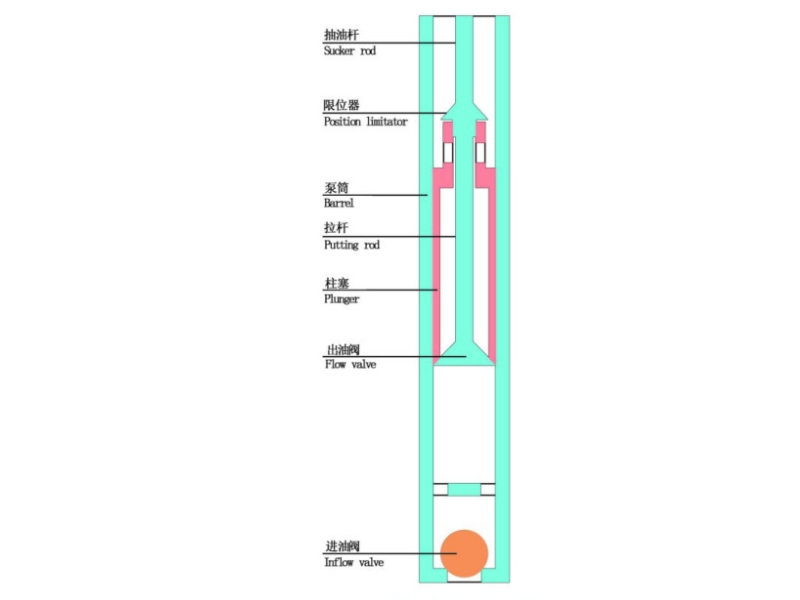
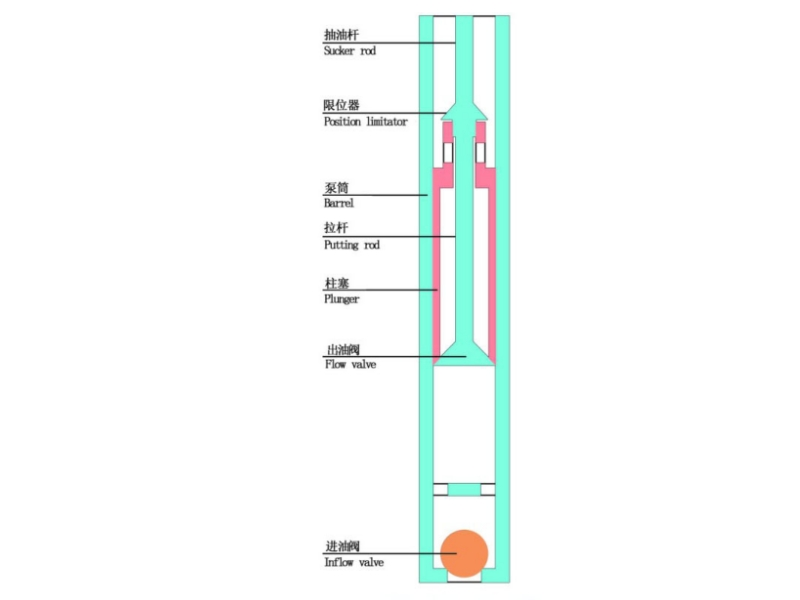
    Why are oil rod pumps so crucial and irreplaceable in oil production? In the middle and late stages of oilfield development, formation energy declines, and crude oil can no longer flow to the surface on its own. Mechanical means must be used to lift the oil. Among all mechanical oil production methods, rod pumping is the most mature and widely used, accounting for over 60% of global onshore oil well production. Without the economical and reliable mechanical lift methods represented by oil rod pumps, sustained and stable commercial production would be impossible. So, how does this globally used rod pump system continuously lift crude oil to the surface?