
Get the latest price? We will reply as soon as possible (within 12 hours)

Blog

  • Sucker Rod Pump Dynacard: What It Shows
    06-16/2026
    Most production problems in a rod-pumped well do not announce themselves clearly. Production declines gradually. Operating costs drift upward. Surface equipment runs without obvious mechanical symptoms while the downhole pump operates below its design efficiency, losing barrels quietly with each stroke. By the time the problem becomes visible at the surface — a parted rod, a seized plunger, a seized valve — the damage has already been accumulating for weeks or months.
  • Insert vs Tubing Sucker Rod Pump Guide
    06-15/2026
    Every sucker rod pump installation begins with a choice that production engineers, completions teams, and equipment procurement specialists routinely underestimate: insert pump or tubing pump? The two configurations share the same five core components and operate on the same physical principle — but they differ fundamentally in how they are installed, how they are serviced, and what production rates they can achieve for a given tubing size.
  • Sucker Rod Pump vs PCP: Pros and Cons
    06-14/2026
    In any oilfield where natural reservoir pressure has declined below the threshold needed to flow a well, an artificial lift system takes over. The choice of which system to deploy is one of the most consequential production engineering decisions an operator makes — it defines operating costs, maintenance complexity, intervention frequency, and ultimately the economic life of the well.
  • How Sucker Rod Pump Works: A Quick Guide
    06-13/2026
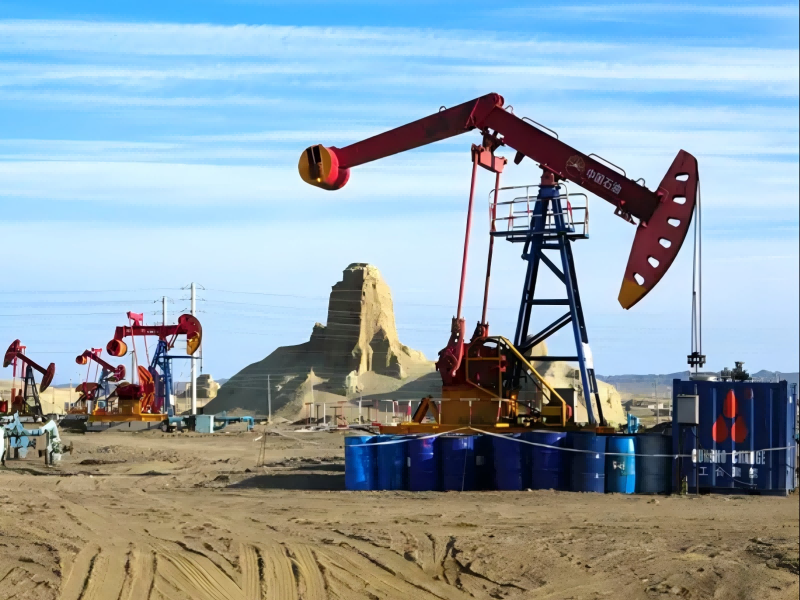
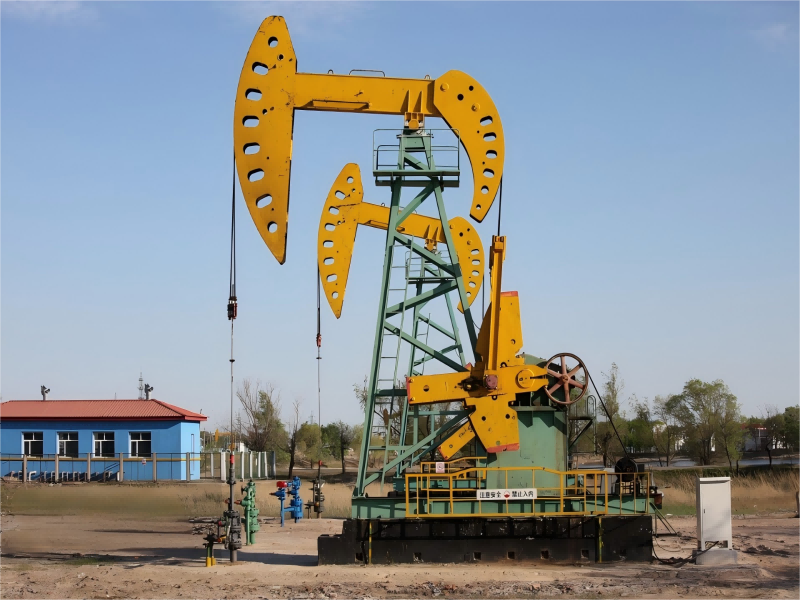
    Most people who see a pumpjack nodding slowly in an oil field do not think about what is happening 3,000 feet underground. The visible motion at the surface — that steady up-and-down arc of the walking beam — is only half the story. The real engineering happens downhole, where a precision pump assembly converts mechanical motion into fluid lift, cycle after cycle, in conditions of high pressure, abrasive fluid, dissolved gas, and extreme temperature.
  • Sucker Rod Pump vs ESP: Which Is Better?
    06-12/2026
    Choosing the wrong artificial lift system does not just hurt production numbers — it can cost an operation hundreds of thousands of dollars in unplanned workovers, lost uptime, and premature equipment failure. Yet this decision is made every day across oilfields in the Permian Basin, the Middle East, West Africa, and Central Asia, often without a full picture of what each technology actually costs over its working life.
  • Best Rod Pump for High-Sand Wells
    06-06/2026
    ​How to Select the Right Rod Pump and Reduce Wear in Sand-Producing Oil Wells High-sand wells are among the most challenging operating environments for rod pump systems. Sand particles continuously circulate through the pump, causing accelerated wear on valves, plungers, barrels, and other critical components. As sand production increases, pump efficiency often declines, maintenance frequency rises, and operating costs increase. Selecting the right rod pump type, wear-resistant materials, and maintenance strategy can significantly improve reliability and reduce workover expenses. In many high-sand applications, operators often favor insert pumps because they are easier to service, while wear-resistant tubing pumps may be selected when higher production capacity is required.
  • How to Extend API Tubing Pump Service Life
    06-06/2026
    Practical Strategies to Reduce Failures, Lower Maintenance Costs, and Improve Pump Performance Extending the service life of an API tubing pump is one of the most effective ways to reduce operating costs and improve oilfield profitability. Premature pump failures often result from sand abrasion, corrosion, gas interference, improper pump selection, excessive pumping speed, or inadequate maintenance practices. By selecting the right pump for the well conditions, optimizing operating parameters, and implementing preventive maintenance programs, operators can significantly reduce the frequency of workovers and maximize the lifespan of tubing pump components.
  • What Causes Traveling Valve Failure in API Tubing Pumps?
    06-05/2026
    Common Causes, Diagnostic Methods, and Practical Solutions Traveling valve failure is one of the most common causes of reduced efficiency in API tubing pump systems. When the traveling valve cannot open or seal properly, fluid displacement decreases, pump fillage is affected, and production may decline significantly. In most cases, traveling valve problems are caused by sand abrasion, corrosion, gas interference, improper valve seating, excessive pumping speed, or normal wear over time. Identifying the root cause early and applying the correct corrective action can help operators reduce production losses, minimize workovers, and extend pump service life.
  • Insert Pump vs Tubing Pump: Which Is Better for Your Well?
    06-05/2026
    A Practical Selection Guide Based on Well Conditions, Production Goals, and Maintenance Requirements Choosing between an API insert pump and an API tubing pump is one of the most important decisions in a rod pump system. Both pump types are widely used in artificial lift applications and comply with API 11AX standards, but they differ significantly in maintenance procedures, production capacity, workover costs, and suitability for specific well conditions.
  • Gas Lock vs Fluid Pound in Rod Pump Systems: What's the Difference?
    06-04/2026
    How to Correctly Diagnose Production Problems Before Taking Action Gas lock and fluid pound are two of the most common production problems in rod pump systems, yet they are frequently confused because both can reduce pumping efficiency and cause production decline. However, their root causes, operating characteristics, and corrective actions are completely different. Gas lock occurs when excessive free gas enters the pump barrel and interferes with valve operation, while fluid pound occurs when the pump attempts to lift more fluid than the reservoir can supply. Correctly identifying the difference is essential because applying the wrong solution can increase downtime, operating costs, and unnecessary workovers.