

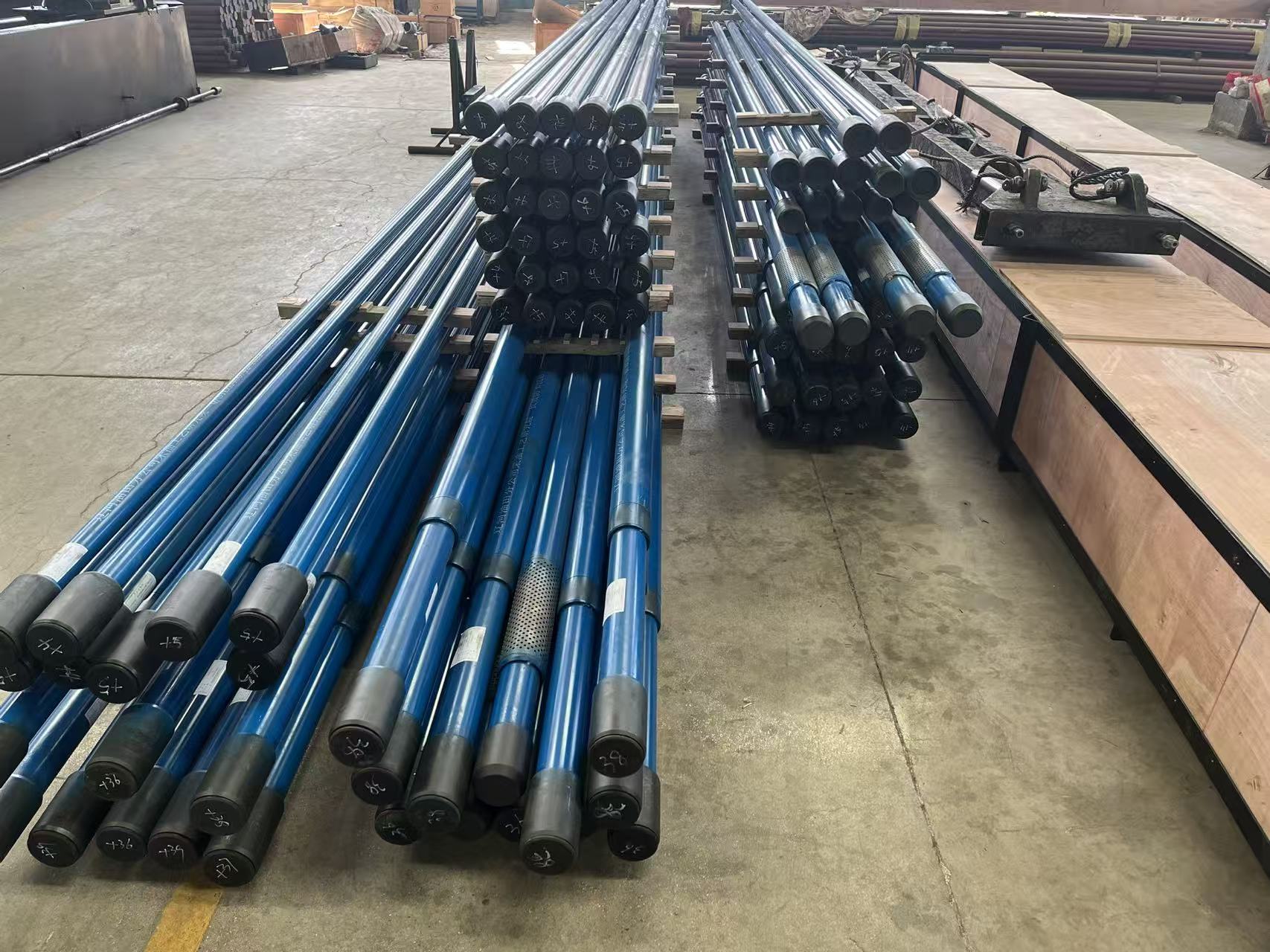
The API Type Rod Pump, with its strong adaptability to operating conditions and standardized manufacturing system, is widely used in the field of artificial lift in onshore oil fields. Compared with some high-cost oil production systems, it offers stable operation, a mature structure, and convenient on-site maintenance in the continuous production of low-yield wells, deep-well pumping, and field servicing. As a result, it maintains a high application proportion in international oilfield equipment procurement and oilfield service markets.
What Are the Production Challenges of Low-Yield Oil Wells?
The challenge faced by low-yield oil wells is how to achieve long-term stable, low-energy-consumption, and economically sustainable production under low-fluid-volume operating conditions.
Low-yield oil wells often suffer from insufficient fluid supply, intermittent changes in well fluid, and declining reservoir pressure. Traditional high-power oil production systems not only consume high energy but are also prone to idle pumping, rod string fatigue, and even downhole failures.
The API Type Rod Pump adopts standardized and modular designs. Its pump diameter, stroke length, and pumping speed can be flexibly adjusted according to well depth, fluid production rate, and crude oil viscosity. Therefore, it is more suitable for the long-term stable operation of low-yield wells.
Why Is the API Type Rod Pump Suitable for Low-Yield Oil Wells?
The API Type Rod Pump employs a classic plunger reciprocating pumping structure. The surface pumping unit drives the sucker rod to move up and down, enabling continuous downhole pumping by the plunger. The advantages of this mechanical transmission method include a mature structure, low failure rate, simple maintenance, and adaptability to complex well conditions.
Especially in low-yield well environments, the equipment can achieve smoother fluid lifting by adjusting the stroke length and pumping speed, thereby reducing the phenomenon of pump-off caused by insufficient fluid supply.
For oilfield enterprises operating over the long term, stability is often more important than instantaneous high production, and the API standard system is precisely the key to ensuring consistency in the long-term operation of the equipment.
API International Standards Enhance Equipment Compatibility
API Type Rod Pumps are designed and manufactured in strict accordance with internationally accepted specifications, offering standardization advantages in dimensions, structure, and connection methods. This standard system improves the reliability of equipment operation and significantly enhances global interoperability and compatibility.
For international importers, brand owners, and OEM customers, API standardization means stronger supply chain compatibility across global markets, greatly reducing the difficulty of procurement and inventory management.
Especially in mature oilfield markets such as the Middle East, Russia, Central Asia, and North America, the API Type Rod Pump remains a preferred, proven product for a large number of oilfield operators.
Why Are Energy Savings and Operational Efficiency Becoming Procurement Priorities?
As global oilfield operating costs continue to rise, more and more purchasers are focusing on the comprehensive energy consumption performance of oil production equipment.
The API Type Rod Pump uses a mechanical reciprocating pumping method, providing more stable energy consumption control. When combined with an intelligent variable-frequency control system, it can automatically adjust the pumping frequency based on downhole fluid supply conditions, reducing inefficient operation.
Compared with high-power continuous lifting equipment, the API Type Rod Pump offers better unit energy consumption advantages in low-yield wells.
What Parameters Should Be Considered When Procuring an API Type Rod Pump?
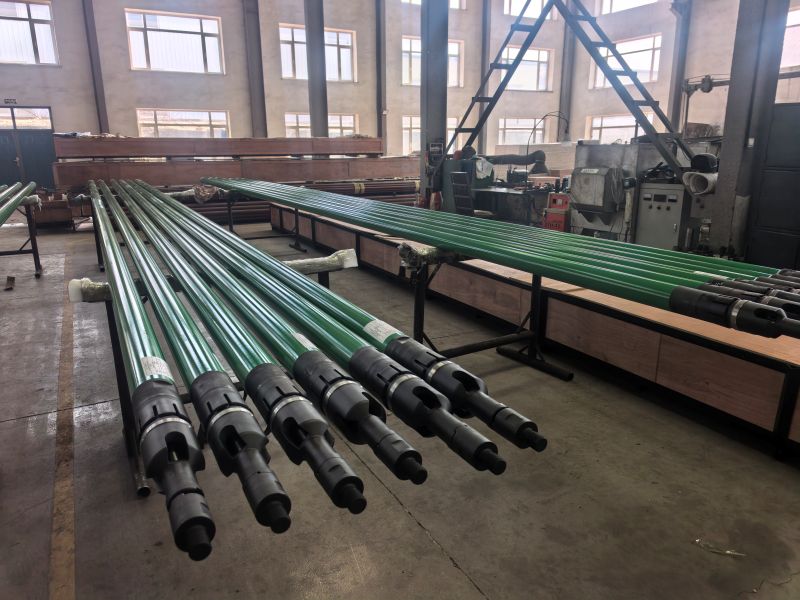
1、Pump Diameter Selection: Different fluid production rates correspond to different pump diameters. If the pump diameter is too large, insufficient fluid supply may occur; if it is too small, production capacity may be constrained.
2、Material Grade: The corrosion resistance and wear resistance of the product directly determine its service life.
3、API Certification Capability: International purchasers are typically more concerned about whether suppliers have a complete quality inspection process, OEM customization capabilities, and long-term batch supply capabilities. These factors directly affect the stable delivery of projects in the later stage.
FAQ
Q1: What is the typical service life of an API Type Rod Pump?
Under normal operating conditions, a high-quality API rod pump can operate stably for 1 to 3 years or more, depending on well conditions and maintenance intervals.
Q2: Are high-power oil production equipment suitable for low-yield wells?
Generally, they are not recommended. Low-yield wells place more emphasis on energy efficiency and stability, and a rod pump is often more economical.
Q3: Is rod breakage prone to occur in deep-well environments?
If high-strength sucker rods are selected and the pumping speed is reasonably controlled, the risk of rod breakage can be effectively reduced.
About Tieling Dongsheng Petroleum Machinery Co., Ltd.
Founded in 2000, Tieling Dongsheng Petroleum Machinery Co., Ltd. has been committed to the design, development, manufacturing, and supply of oilfield products such as sucker rod pumps, special sucker rod pumps, and downhole tools. The company produces over 20,000 oil pumps and special pumps annually. We provide customers with full-process support, ranging from selection consulting and solution design to after-sales service.