

During the operation of oil pumping systems, fluid pound is one of the most common issues affecting both well production efficiency and equipment service life. Many oilfield operators have observed that abnormal fluctuations in pumping unit loads, declining production rates, and increased equipment vibration are frequently associated with the phenomenon of fluid pound.
Fluid pound not only diminishes the operational efficiency of tubing pumps but can also accelerate wear on sucker rods, plungers, and valve assemblies, thereby increasing maintenance frequency and operational costs. Consequently, understanding the root causes of fluid pound and implementing targeted remedial measures are crucial for ensuring stable oil well production.
This article provides a detailed analysis of the causes, detrimental effects, and common solutions associated with fluid pound in tubing pumps, aiming to assist oilfield engineers and procurement personnel in optimizing the operation of their pumping systems.
What is Tubing Pump Fluid Hammer?
Fluid hammer refers to a phenomenon that occurs during the operation of a tubing pump, wherein—due to insufficient fluid filling within the pump barrel—the plunger generates an impact force against the fluid column during its reciprocating motion.
Under normal production conditions, formation fluid continuously flows into the pump barrel, allowing the plunger to execute a stable lifting action during each reciprocating stroke. However, when the oil well's fluid supply capacity is inadequate, the pump barrel cannot be fully filled with fluid; consequently, as the plunger moves, it exerts an impact load upon the fluid column, thereby giving rise to fluid hammer.
Simply put, a fluid hammer is fundamentally the result of a mismatch between the tubing pump's displacement capacity and the formation's fluid supply capacity.
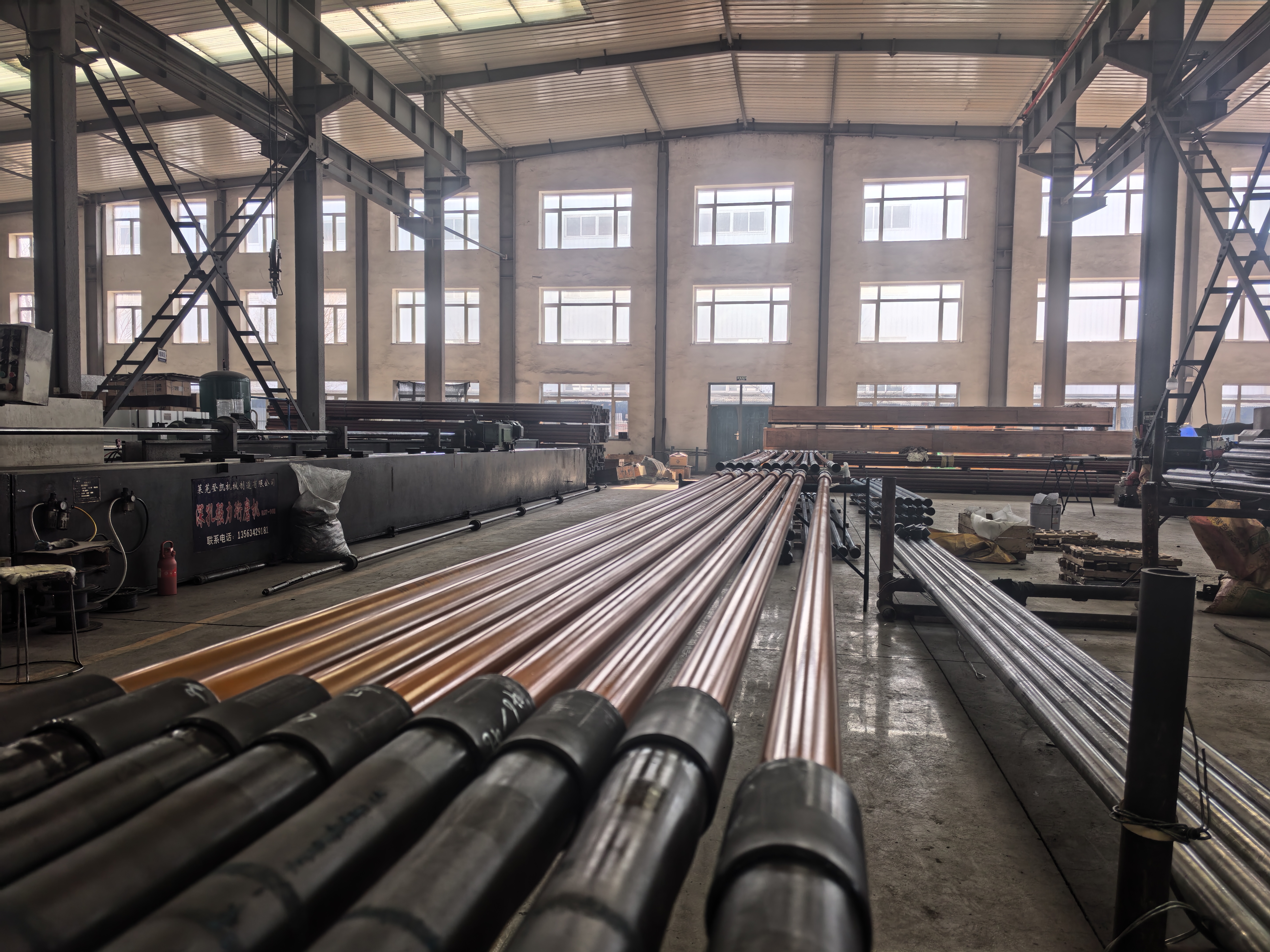
How does fluid hammer occur in a tubing pump?
The formation of a fluid hammer typically follows this process:
Insufficient fluid supply from the formation.
The pump barrel fails to fill completely;
The plunger continues to operate according to its set stroke.
The plunger impacts the fluid column.
System loads undergo abnormal fluctuations.
Fluid hammer occurs.
Under these circumstances, even if the pumping unit continues to operate normally, the actual production efficiency of the oil well will decline significantly.
Five Common Causes of Fluid Hammer in Tubing Pumps
1. Insufficient Formation Fluid Supply Capacity
This is the most common cause of fluid hammer.
As an oil well undergoes prolonged production, formation pressure gradually declines, and the rate at which fluid enters the wellbore slows down. If the displacement of the pumping system exceeds the actual fluid supply capacity of the formation, the pump barrel will fail to fill completely with fluid.
Common scenarios include:
Declining oil reservoir pressure
Low formation permeability
Declining productivity in mature wells
Insufficient fluid inflow
Fluid hammer is prone to occur when the rate at which the formation replenishes fluid cannot keep pace with the pumping rate.
2. Selection of an Oversized Tubing Pump
Many oilfield operators believe that a larger tubing pump translates to higher production output.
In reality, if the well itself has limited fluid supply capacity, an excessively large pump diameter will cause the pump's theoretical displacement to exceed the actual fluid supply capacity of the formation.
The results are:
The pump barrel fails to fill completely
Pump fillage efficiency decreases
Fluid hammer occurs frequently
Therefore, the selection of a tubing pump model should be determined based on a comprehensive assessment of well depth, daily fluid production volume, and formation fluid supply capacity, rather than simply pursuing larger specifications.
3. Excessive Pumping Speed (Stroke Rate)
An excessively high pumping speed (SPM) is another significant factor contributing to fluid hammer.
When the pumping unit operates too rapidly, fluid does not have sufficient time to fully enter the pump barrel before the plunger begins its next working cycle.
This leads to:
Insufficient time for fluid filling
Partial filling of the pump barrel
Reduced pump efficiency
Increased occurrence of fluid hammer
Consequently, in wells with partial fluid supply deficiencies, appropriately reducing the pumping speed can often effectively mitigate the problem of fluid hammer.
4. Gas Interference
Oil wells with a high gas-liquid ratio are prone to experiencing both fluid hammer and gas lock issues.
When a large volume of free gas enters the tubing pump, it occupies space within the pump barrel, thereby compromising the effectiveness of fluid filling.
Common consequences include:
Reduced pump fillage efficiency
Decreased fluid displacement
Increased occurrence of fluid hammer
The onset of gas lock phenomena
Therefore, wells with high gas content typically require simultaneous attention to both gas interference and fluid hammer issues.
5. Wear or Failure of Valve Components
After prolonged operation of a tubing pump, its valve components may begin to show signs of wear. For example:
Ball valve wear
Valve seat wear
Degraded sealing performance
When the valve fails to close tightly, fluid backflow occurs, resulting in a reduction in the actual volume of lifted fluid.
This condition also leads to insufficient filling of the pump barrel, thereby triggering liquid hammer.
What are the detrimental effects of liquid hammering?
Impact on the Sucker Rod System
The impact loads generated by liquid hammering exert continuous stress on the sucker rod string.
Prolonged operation under these conditions may lead to:
Rod string fatigue
Wear at connection points
Increased risk of rod breakage
Impact on the Tubing Pump
Frequent liquid hammering accelerates the wear rate of critical pump components,
including:
The plunger
The pump barrel
The traveling valve
The standing valve
Consequently, the service life of the equipment may be significantly reduced.
Impact on Production Efficiency
Liquid hammering directly compromises the production performance of the oil well.
This manifests as:
Decreased pump efficiency
Reduced actual production output
Increased energy consumption
Higher maintenance costs
Therefore, it is crucial to promptly detect and address issues related to liquid hammering.
How to Resolve Fluid Pound Issues in Tubing Pumps?
1. Appropriately Reduce Pumping Speed
For oil wells with insufficient fluid supply, reducing the pumping speed (stroke rate) is typically the most direct and effective method.
After reducing the pumping speed:
The fluid filling time increases.
The pump filling efficiency improves.
The phenomenon of fluid pound is alleviated.
Many mature wells adopt this approach to improve their production status.
2. Re-evaluate Tubing Pump Sizing
If fluid pound persists over a long period, one should verify whether the current tubing pump specifications are properly matched to the well conditions.
The evaluation should cover:
Well depth
Daily fluid production volume
Formation fluid supply capacity
Gas content/conditions
Properly matching the tubing pump size can effectively enhance the operational efficiency of the system.
3. Optimize the Pumping Regime
Adjusting pumping parameters can also help mitigate fluid pound issues.
For example:
Adjusting the stroke length
Adjusting the pumping speed
Implementing intermittent production
These measures help improve the fluid filling effectiveness within the pump barrel.
4. Minimize Gas Interference
For wells with high gas content, measures should be taken to reduce gas entry into the pump barrel.
Common methods include:
Installing a gas anchor
Optimizing the pump setting depth
Improving gas-liquid separation efficiency
Once the entry of free gas into the pump is reduced, the fluid filling efficiency typically improves.
5. Inspect and Maintain Valve Components
Regularly inspecting the condition of valve components is crucial.
Key areas to inspect include:
Valve balls
Valve seats
Sealing surfaces
Promptly replacing worn components can prevent fluid pound issues caused by backflow.
6. Select Reliable Tubing Pumps Compliant with API Standards
The structural design and manufacturing quality of the tubing pump itself also significantly influence its long-term operational stability.
TH-type Tubing Pumps are manufactured in accordance with the API 11AX standard and feature a thick-walled pump barrel structure, making them suitable for a wide range of well conditions. Product specifications range from 1.25 inches to 3.75 inches, allowing for selection and configuration tailored to specific well conditions.
Furthermore, the material composition of the product can be customized based on the client's specific well conditions to meet the requirements for wear resistance, strength, and reliability demanded by various oilfield environments.
For pumping systems requiring long-term, stable operation, selecting a tubing pump that appropriately meets the specific well conditions helps minimize the risk of equipment failure and enhances overall production stability.
How do you identify if a well is experiencing liquid pound?
During field operations, if the following phenomena occur, the possibility of a liquid pound issue should be considered:
The dynamometer card exhibits characteristics indicative of fluid starvation.
Pump efficiency declines significantly.
Production volume decreases.
Load fluctuations on the pumping unit increase.
Equipment vibration intensifies.
Energy consumption increases abnormally.
When the above conditions arise, it is recommended to conduct a timely analysis of well conditions and an inspection of the equipment.
What is the difference between liquid pound and gas lock?
Many people tend to confuse liquid pound with gas lock.
In reality, the underlying causes for the two phenomena are distinct.
Liquid pound is primarily caused by insufficient fluid supply, resulting in the pump barrel failing to fill completely with liquid, which subsequently generates impact loads.
Gas lock, conversely, is primarily caused by a large volume of gas entering the pump barrel, thereby interfering with the normal lifting of liquid.
Although both conditions can lead to reduced production and diminished pump efficiency, the corresponding remedial measures are not identical; therefore, it is essential to accurately identify the root cause of the problem.
FAQ:
Does liquid pound in a tubing pump inevitably lead to rod failure?
Not necessarily; however, prolonged exposure to liquid pound increases the risk of rod string fatigue, thereby raising the probability of rod failure.
Does liquid pound necessitate the immediate replacement of the tubing pump?
Not necessarily. One should first analyze the fluid supply capacity, stroke rate settings, and well conditions before determining whether an adjustment to the pump specifications is required.
Why are high-gas-cut wells prone to liquid pound?
Gas interferes with the fluid-filling efficiency of the pump barrel, reducing the pump fillage rate and consequently increasing the likelihood of liquid pound occurrence.
Can reducing the stroke rate resolve all liquid pound issues?
No. Reducing the stroke rate is merely one common solution; a comprehensive analysis of the specific well conditions is also required.
How can the recurrence of the liquid pound be prevented?
Appropriate equipment selection, optimization of the pumping regimen, control of gas interference, and regular maintenance of valve components are key measures for preventing liquid pound.
Liquid pound in a tubing pump is not merely a singular equipment failure, but rather the result of the combined interplay between the formation's fluid supply capacity, the selected pump size, pumping parameters, and specific well conditions. Liquid pound can occur whenever the formation's fluid supply is insufficient, the pump diameter is inappropriately selected, the stroke rate is excessively high, or valve components fail.
By appropriately selecting tubing pump specifications, optimizing the pumping regimen, mitigating gas interference, and enhancing equipment maintenance, it is possible to effectively reduce liquid pound issues, thereby improving well production efficiency and lowering long-term operating costs. For wells operating under complex conditions, selecting a Type TH tubing pump that complies with the API 11AX standard and is well-matched to the specific well conditions also contributes to enhancing the stability and reliability of the oil pumping system.