Get the latest price? We will reply as soon as possible (within 12 hours)

News

  • How to Clean API Rod Pumps and API Tubing Pumps?
    08-30/2025
    For this reason, "how to efficiently and economically clean oil well pumps" has become a crucial concern for oil production plants, service companies, and even every on-site worker. Drawing on field experience and industry practices, we have compared and summarized the cleaning methods for API rod pumps and API tubing pumps.
  • The Difference Between Tubing and Pump Leakage in Pumping Units
    08-29/2025
    During the operation of a pumping unit system, leakage is a common problem that affects production efficiency and equipment life. While "tubing leakage" and "pump leakage" are often mentioned, many people tend to confuse them. This article will systematically explain the differences between the two from four perspectives: definition, causes, impacts, and solutions, to help users quickly understand and diagnose the problem.
  • Factors Affecting API Tubing Pump Efficiency
    08-29/2025
    The production of a well often depends not only on the oil supply capacity of the oil layer itself, but also on the performance of the pump efficiency. The pump efficiency directly determines whether the unit energy consumption can be converted into more crude oil output. There are many factors that affect the API tubing pump efficiency, but from the three basic links of deep well pump operation (piston volume, crude oil entering the pump and crude oil being discharged from the pump), it can be summarized into the following three aspects.
  • API Tubing Pump Purchasing Guide
    08-28/2025
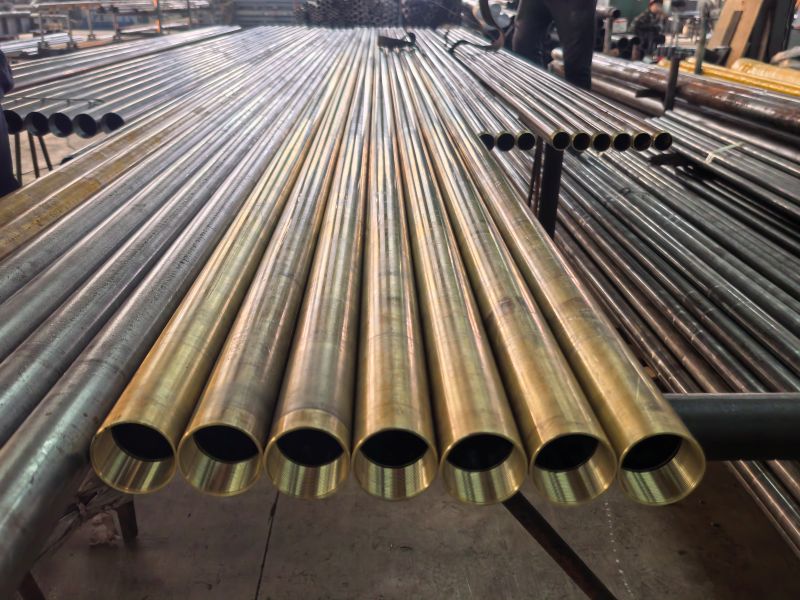
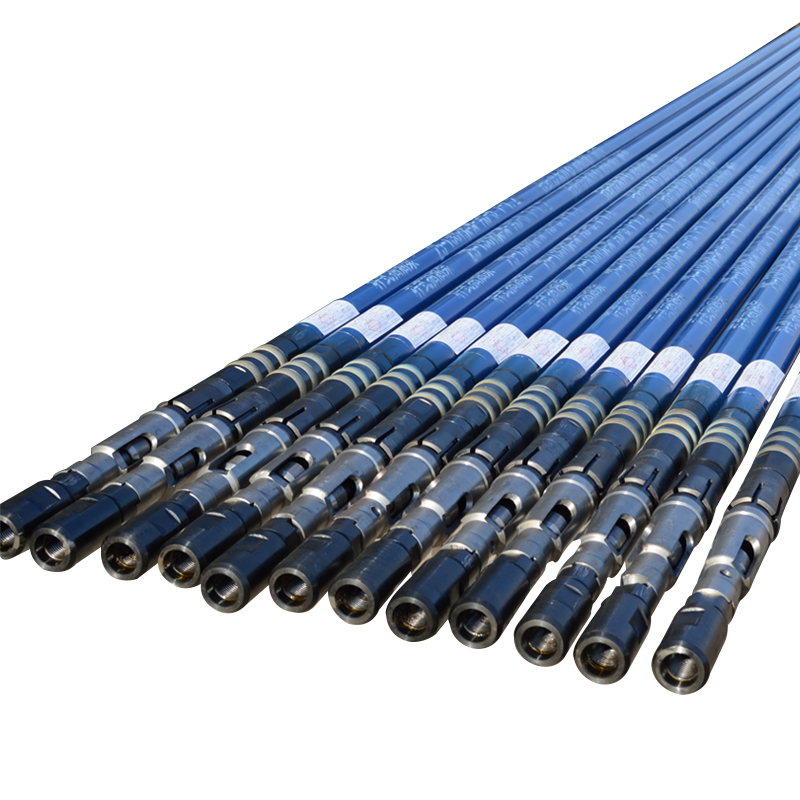
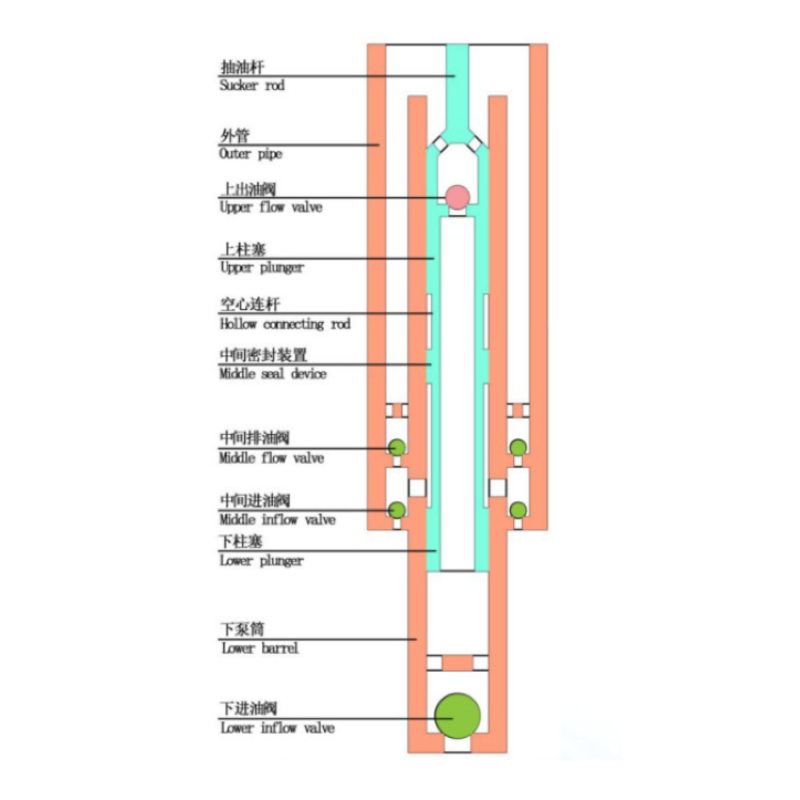
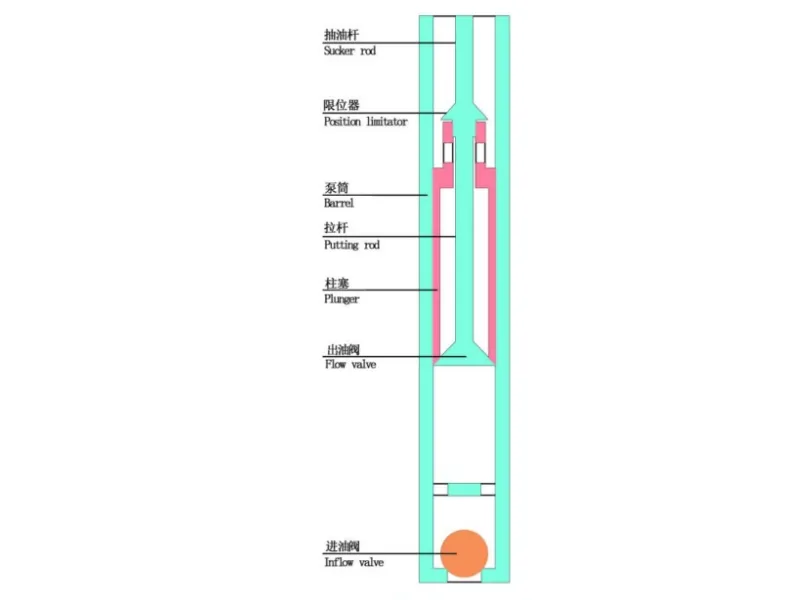
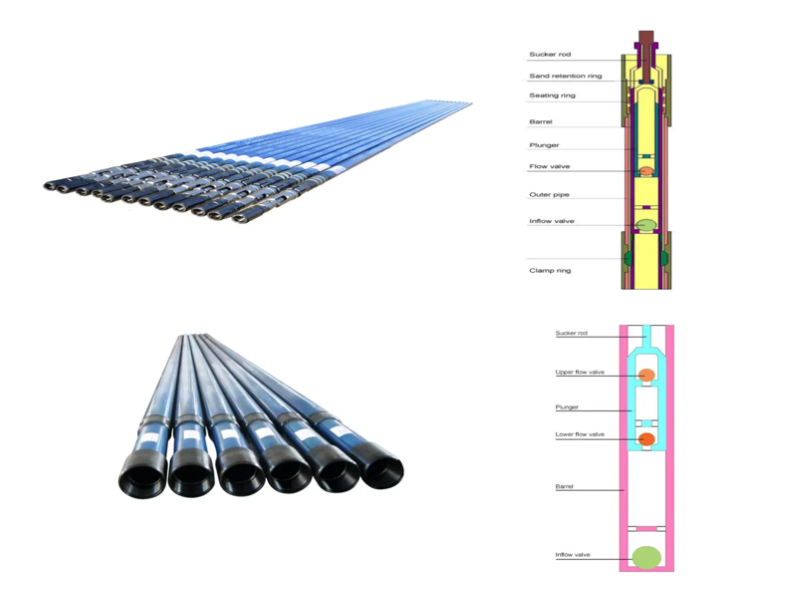
    1. API Tubing Pump Definition and Principle: API tubing pump: The pump barrel is fixed to the lower end of the tubing, and the sucker rod drives the plunger back and forth to achieve suction and discharge. Compared to insert pumps (in which the pump barrel and plunger can be pulled and retracted as a single unit), API tubing pumps have thicker barrels, are more pressure-resistant, and more wear-resistant. However, this comes at the cost of requiring the tubing to be pulled for maintenance, making them less accessible.
  • API Tubing Pumps: Essential Tools for the Oil Industry
    08-28/2025
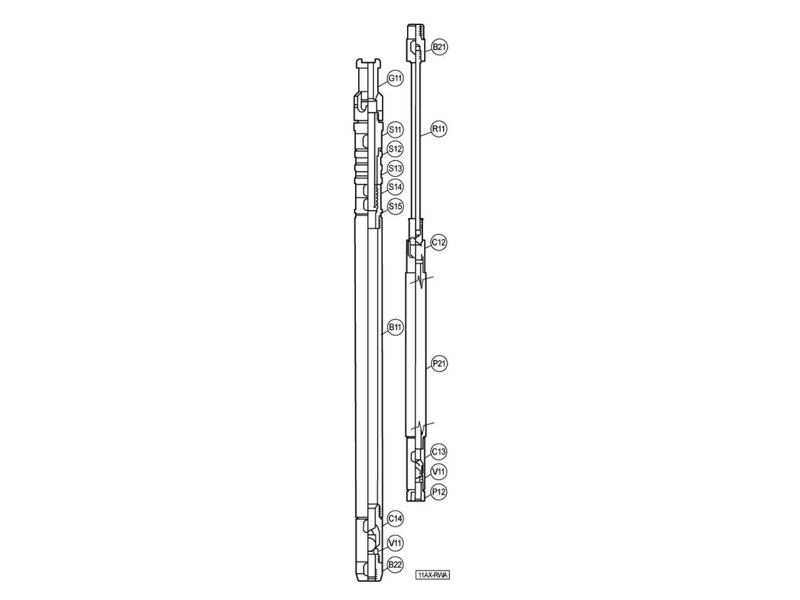
    Designed in strict compliance with API 11AX standards, API tubing pumps utilize a one-piece rough barrel and precision grinding to ensure a precise fit with the plunger. They utilize high-strength construction, wear-resistant alloy materials, and modular wear parts.
  • Judgment and Treatment of Common Faults in Pumping Wells (Ⅱ)
    08-27/2025
    In the previous article, we discussed the main causes of sucker rod pump failure and how to diagnose pumping well failures. This article will detail common troubleshooting methods for pumping wells and the steps for analyzing abnormal wells. Without further ado, let's take a look.
  • Judgment and Treatment Methods of Common Faults of Pumping Wells
    08-27/2025
    (1) Common forms of corrosion of Sucker rod pumps include brittle corrosion, acid corrosion, fracture corrosion, electrochemical corrosion, pitting corrosion and abrasion corrosion.
  • Inclined Well Sucker Rod Pump Buyer's Guide
    08-26/2025
    Table of Contents: Why Use an Inclined Well Sucker Rod Pump? Challenges of Inclined Well Pumping Application Scenarios of Inclined Well Sucker Rod Pumps Comparison of Common Artificial Lift Methods Structure and Features of Inclined Well Sucker Rod Pumps Pump Types and Selection How to Choose the Right Inclined Well Sucker Rod Pump Conclusion and Recommendations In oil production, rod pumping remains the most common method of artificial lift. However, traditional vertical well pumping methods face many challenges in inclined well environments. Inclined well sucker rod pumps are designed to address these challenges.
  • Application Differences Between API Tubing Pumps and API Rod Pumps in Oilfields
    08-26/2025
    API type tubing pumps and API type rod pump​s are two common types of mechanical oil production equipment. Due to their structural differences, their application performance in different well conditions varies. Choosing the right pump based on well depth, production rate, and ease of maintenance has always been a core concern for oilfield engineers and production units. This article will provide an in-depth analysis of the structural characteristics and application scenarios of API type tubing pumps and API type rod pumps, helping you quickly compare their advantages and limitations.
  • What Are the Advantages and Disadvantages of Tubing Pumps and Insert Rod Pumps?
    08-26/2025
    The main difference between tubing pumps and insert rod pumps is that tubing pumps have a simple structure and low cost. The diameter of the pump that can be inserted under the same oil pipe diameter is larger than that of insert rod pumps, so the displacement is large. However, when inspecting the pump, the oil pipe must be started, and the workload of repairing the well is large. It is suitable for oil wells with small depth and high production. Insert rod pumps are convenient for pump inspection, but have a complex structure and high manufacturing cost. The diameter of the pump that can be inserted under the same oil pipe diameter is smaller than that of tubing pumps. Insert rod pumps are suitable for oil wells with large depth and low production.