
Common Causes, Diagnostic Methods, and Practical Solutions
Traveling valve failure is one of the most common causes of reduced efficiency in API tubing pump systems. When the traveling valve cannot open or seal properly, fluid displacement decreases, pump fillage is affected, and production may decline significantly. In most cases, traveling valve problems are caused by sand abrasion, corrosion, gas interference, improper valve seating, excessive pumping speed, or normal wear over time. Identifying the root cause early and applying the correct corrective action can help operators reduce production losses, minimize workovers, and extend pump service life.
What Is a Traveling Valve in an API Tubing Pump?
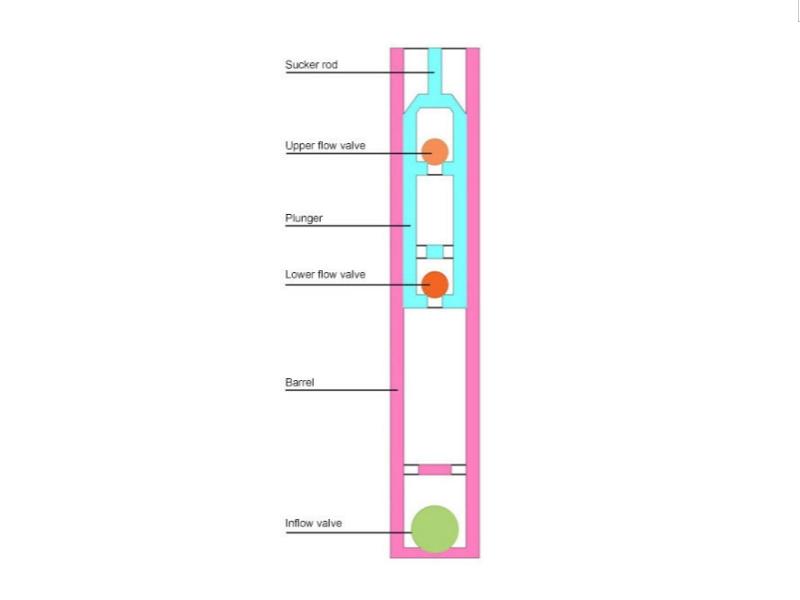
The traveling valve is a critical component located inside the plunger assembly of an API tubing pump.
During normal operation:
· The traveling valve opens during the downstroke.
· The traveling valve closes during the upstroke.
This repeated opening and closing action allows fluid to move upward through the pump and eventually reach the surface.
If the valve cannot seal correctly or fails to operate as designed, fluid may leak back through the pump, reducing lifting efficiency and production.
How Traveling Valve Failure Affects Production
A damaged or malfunctioning traveling valve can gradually reduce pumping performance before a complete failure occurs.
Common consequences include:
· Reduced pump efficiency
· Lower daily fluid production
· Increased fluid slippage
· Unstable production rates
· Higher energy consumption
· More frequent pump repairs
· Increased operating costs
For high-production wells, even minor valve leakage can result in significant production losses over time.
Six Common Causes of Traveling Valve Failure
1. Sand Abrasion
Cause
Sand production is one of the leading causes of traveling valve damage.
As sand particles pass repeatedly through the pump, they continuously wear the:
· Valve ball
· Valve seat
· Sealing surfaces
Over time, this wear creates scratches, grooves, and sealing defects that allow fluid leakage.
Common Well Conditions
· High-sand wells
· Waterflooded reservoirs
· Mature oil fields
Typical Symptoms
✓ Gradual production decline
✓ Increasing valve leakage
✓ Visible seat wear during inspection
Recommended Solutions
Use Wear-Resistant Materials
For abrasive well conditions, operators may select:
· Hardened alloy steel
· Tungsten carbide components
· Other wear-resistant materials
Improve Sand Control
Methods may include:
· Gravel packing
· Sand screens
· Other sand management technologies
Increase Inspection Frequency
High-sand wells often require shorter maintenance intervals.
2. Corrosion Damage
Cause
Corrosive well fluids may attack valve surfaces.
Common corrosive agents include:
· CO₂
· H₂S
· High-salinity produced water
Corrosion can reduce sealing accuracy and increase fluid leakage.
Common Well Conditions
· Sour wells
· High-water-cut wells
· Corrosive production environments
Typical Symptoms
✓ Pitted valve surfaces
✓ Increased leakage
✓ Accelerated component deterioration
Recommended Solutions
Select Corrosion-Resistant Materials
Depending on operating conditions, suitable materials may include:
· Stainless steel
· Nickel-based alloys
· Customized corrosion-resistant materials
Apply Corrosion Inhibitors
Chemical treatment programs can reduce corrosion rates in severe environments.
Monitor Corrosion Performance
Regular inspection helps identify problems before production is affected.
3. Gas Interference
Cause
When excessive free gas enters the pump barrel, the valve ball may not seat properly.
Gas interference can cause:
· Incomplete valve sealing
· Reduced pump fillage
· Lower pumping efficiency
In severe cases, gas interference may contribute to gas lock conditions.
Common Well Conditions
· High gas-liquid ratio wells
· Horizontal wells
· Mature reservoirs
Typical Symptoms
✓ Sudden production decline
✓ Reduced pump fillage
✓ Increased gas production
✓ Unstable pumping performance
Recommended Solutions
Install a Gas Anchor
Gas anchors help separate free gas before it enters the pump intake.
Optimize Pump Setting Depth
Proper pump placement can improve gas separation efficiency.
Reduce Pumping Speed
Lower stroke rates may improve liquid fillage and reduce gas accumulation.
Improve Downhole Gas Separation
Additional gas separation devices may be beneficial in high-gas wells.
4. Poor Valve Ball and Seat Matching
Cause
Improper manufacturing tolerances, wear, or installation issues may prevent the valve ball and seat from forming a complete seal.
Even minor imperfections can increase leakage.
Typical Symptoms
✓ Reduced pump efficiency
✓ Persistent fluid slippage
✓ Leakage despite low wear levels
Recommended Solutions
Replace Ball and Seat as a Matched Set
Replacing only one component may not restore proper sealing performance.
Use Components Manufactured to API Standards
Precision manufacturing improves sealing accuracy.
Verify Installation Quality
Improper assembly can create alignment problems that affect valve performance.
5. Excessive Pumping Speed
Cause
Higher pumping speeds increase the number of valve impacts per minute.
Repeated impact loading can accelerate wear on both the valve ball and valve seat.
Common Well Conditions
· Deep wells
· High-production wells
· Aggressive production programs
Typical Symptoms
✓ Premature valve wear
✓ Increased maintenance frequency
✓ Shortened valve service life
Recommended Solutions
Optimize Pumping Parameters
Stroke length and pumping speed should match reservoir performance.
Monitor Pump Fillage
Prevent excessive pumping that may accelerate component wear.
Use Production Data to Optimize Operations
Long-term performance analysis often provides better results than simply increasing pumping speed.
6. Normal Wear Over Time
Cause
All valve components eventually experience wear during normal operation.
Over time:
· Valve balls lose roundness
· Valve seats wear gradually
· Sealing performance declines
This is a natural part of the pump lifecycle.
Typical Symptoms
✓ Gradual production decline
✓ Increasing leakage
✓ Longer operating history
Recommended Solutions
Establish Preventive Maintenance Programs
Regular maintenance is often more cost-effective than emergency repairs.
Monitor Pump Efficiency Trends
Production data can help identify wear before major failures occur.
Replace Components at Planned Intervals
Replacement schedules should be based on actual well conditions rather than waiting for complete failure.
How to Diagnose Traveling Valve Failure
Accurate diagnosis requires a combination of production data and equipment inspection.
Step 1: Review Production Trends
Look for:
· Unexpected production decline
· Reduced pump efficiency
· Increased fluid slippage
Step 2: Analyze Dynamometer Cards
Abnormal dynamometer patterns may indicate valve leakage or sealing problems.
Step 3: Evaluate Pump Fillage
Declining fillage often suggests internal leakage or gas interference.
Step 4: Inspect Valve Components
A physical inspection remains the most reliable method for confirming valve failure.
Engineers should examine:
· Valve ball condition
· Valve seat wear
· Corrosion damage
· Scale buildup
Traveling Valve Failure Troubleshooting Matrix
Symptom | Possible Cause | Recommended Solution |
Gradual production decline | Sand abrasion | Upgrade wear-resistant materials |
Increased valve leakage | Seat wear | Replace valve assembly |
Sudden production drop | Gas interference | Install a gas anchor |
Abnormal dynamometer card | Valve sealing failure | Inspect valve components |
Frequent repairs | Natural wear | Implement preventive maintenance |
Corrosion damage | Aggressive well fluids | Use corrosion-resistant materials |
FAQ
Which fails more often, the traveling valve or standing valve?
Both components can wear over time, but the traveling valve often experiences higher operating stress because it moves continuously with the plunger.
Does sand production accelerate traveling valve failure?
Yes. Sand abrasion is one of the most common causes of valve wear and leakage.
Can traveling valve failure stop production?
Severe valve damage can significantly reduce pump efficiency and may eventually prevent effective fluid lifting.
Can gas lock damage a traveling valve?
Gas lock does not directly damage the valve, but prolonged gas interference can negatively affect valve performance.
How often should traveling valves be inspected?
Inspection frequency depends on well conditions. High-sand and corrosive wells typically require more frequent monitoring.
Conclusion
Traveling valve performance directly affects the efficiency and reliability of API tubing pump systems. Sand abrasion, corrosion, gas interference, poor valve seating, excessive pumping speed, and normal wear are among the most common causes of traveling valve failure. By identifying the root cause early and applying the appropriate corrective action, operators can improve pump efficiency, reduce workover frequency, lower operating costs, and maintain more stable oil production over the long term.