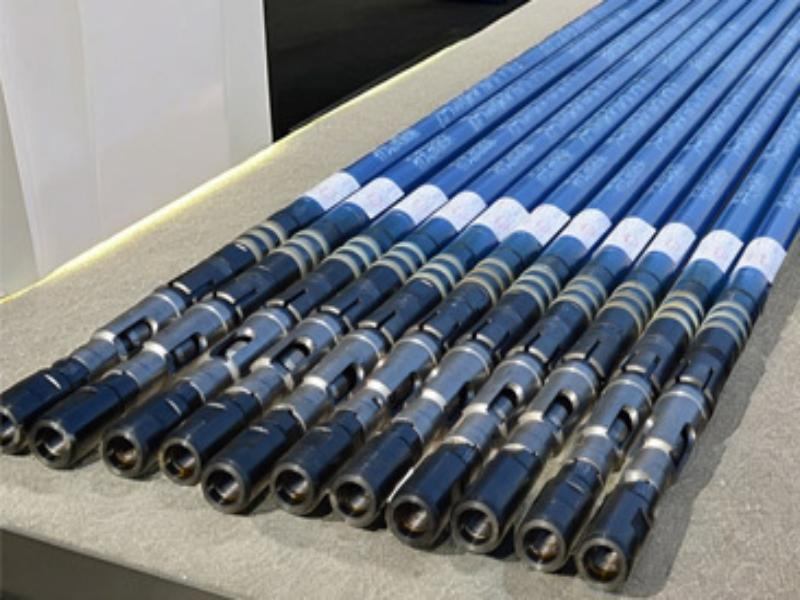
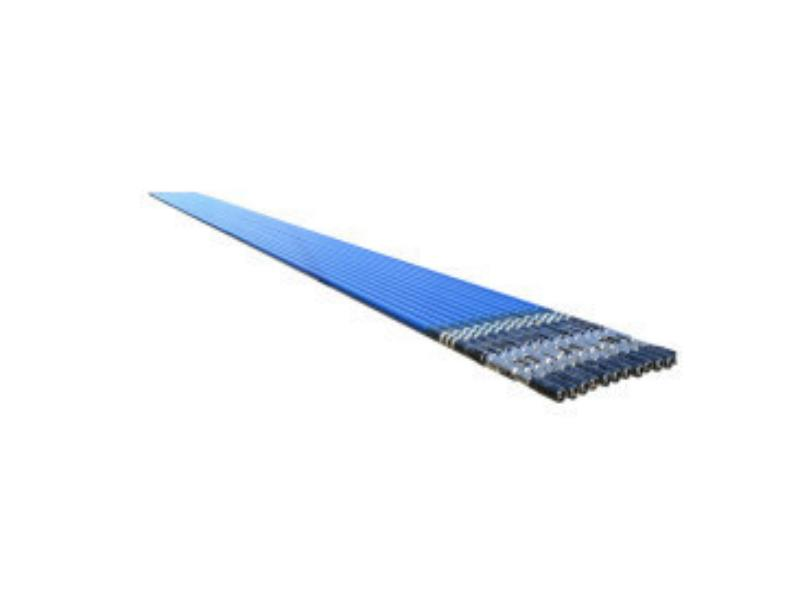
Various oilfields around the world have multi-layer reservoirs in which the layers differ in reservoir pressure, water cut, and other fluid properties. Usually, the production of different layers together through conventional rod pumps lead to issues like:
Cross-flow between high and low-pressure layers
High water-cut zones contaminating oil-rich layers
Production efficiency decline and output instability
The separate-layer production pump is created to address these challenges. It can simultaneously produce two layers while maintaining their separation.
Keeping layers apart from each other
Ensuring the equilibrium of reservoir pressure
Enhancing the rate of oil extraction (usually +15-30%)
Lessening the effect of water breakthrough
Securing consistent production changes over a long period
Highly efficient method for mature oilfields
Data of Layered Oil Production Sucker Pump:
Pump bore | Size of connecting | Range of | Conversion | Pump | Size of connecting | Max outside |
57/38 | 2 7/8TBG | 1.2~6.0 | 41.2 | 1.92 | CYG19 | 116 |
70/38 | 3 TBG | 58.8 | 3.91 | CYG22 | 150 | |
70/44 | 3 TBG | 54.4 | 3.35 | CYG22 | 150 | |
83/44 | 3 1/2 TBG | 70.4 | 5.60 | CYG25 | 150 | |
83/57 | 3 1/2 TBG | 61.3 | 4.25 | CYG25 | 150 |
Reservoirs with different oil layers
The wells where the pressure differences between the layers are significant
Reservoirs with high water-cut contrast
Water flooding oilfields
Production optimization of mature wells
Especially effective where commingled production results in efficiency loss
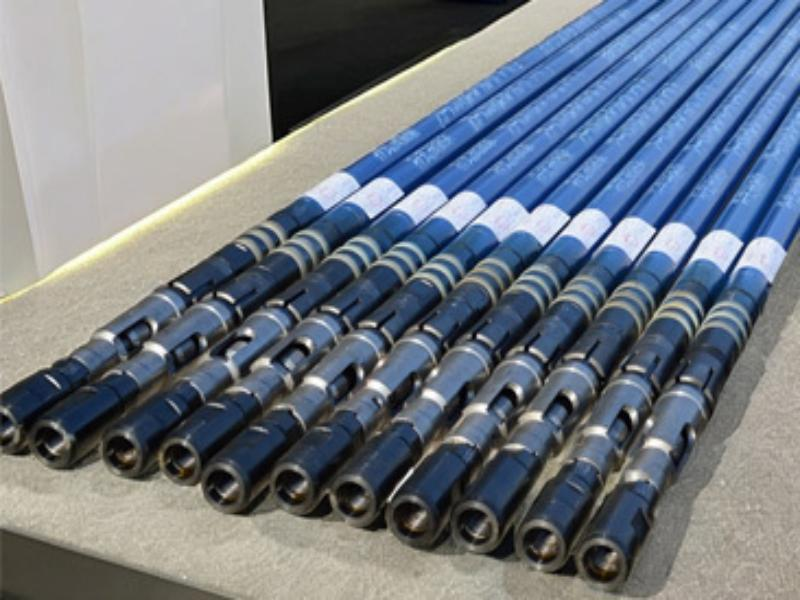
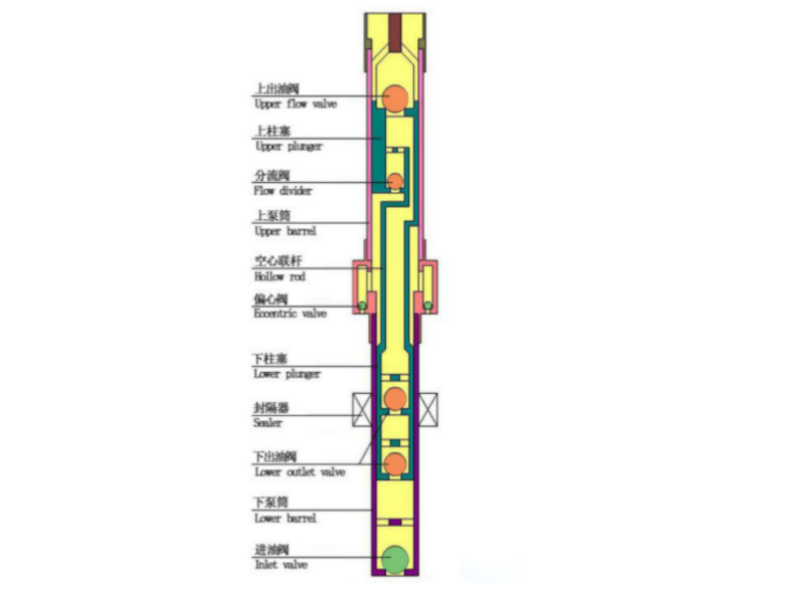
Single Packer (Sealing Element)
Creates two totally separate zones for production in the wellbore:
Upper zone
Lower zone
Dual Plunger Design
The top plunger is responsible for handling the production from the top zone
The bottom plunger is responsible for handling the production from the bottom zone
This configuration allows each layer to be operated independently in a single well system.
| Feature | Separate Layer Pump | Standard Rod Pump |
| Layer Isolation | Yes | No |
| Cross-flow Prevention | Yes | No |
| Multi-layer Production | Yes | No |
| Efficiency in Complex Wells | High | Low |
| Production Stability | High | Medium |
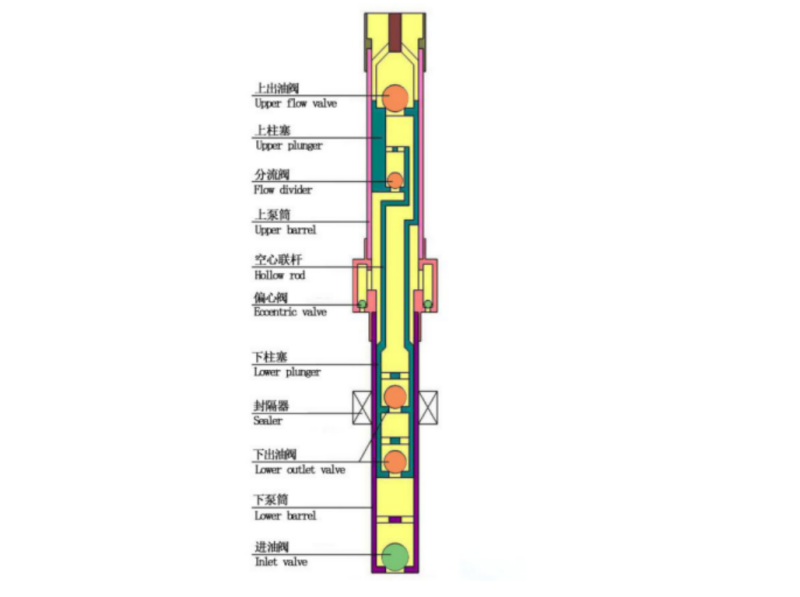
From the tank, raw petroleum is drawn at the bottom through an inlet valve, passing through a pump barrel located lower down, and then exiting through a lower traveling valve.
The top layer fluid is taken in through a special eccentric valve which is situated just above the packer and is solely meant for upper-layer intake.
Fluids from both layers join in the pump
After that, the flow goes via a diversion system and hollow rod string
The last discharge is through the upper outlet valve into the tubing
This kind of structure from the dual-layers makes it possible for two-layer productions at the same time no cross-flow
Q1: Can this pump produce from two layers at the same time?
That is right. You can have production from both upper and downer zones simultaneously.
Q2: Do I need a packer for this system?
Yes, to separate two production layers, a packer will be necessary.
Q3: Will fluids from different layers mix?
It's a no cross-flow intake, so different layer fluids will not mix.
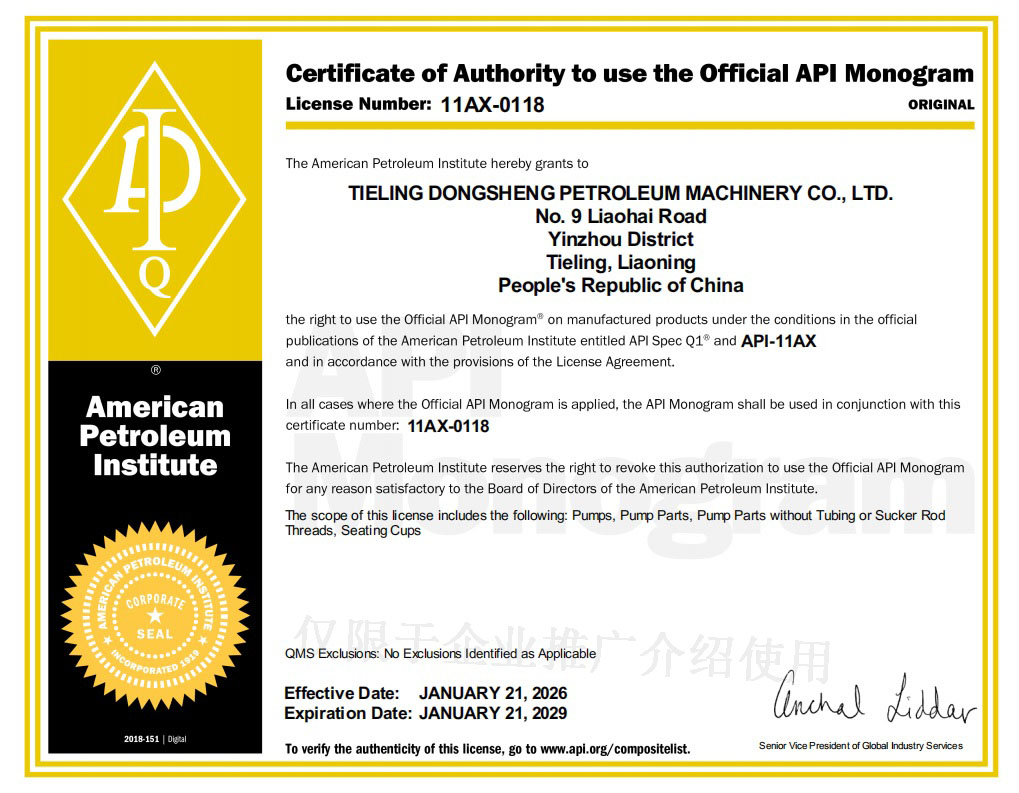
Our company has passed ISO9001 quality management system certification and obtained API11AX certificate. Our company covers 100 types of rod pump products and accessories such as downhole tubing pumps, long plunger anti-sand pumps, drainers, centralizers, metal injection plungers, alignment, and unified grinding. The company has established a complete testing system and implements full process control and testing from raw materials, semi-finished products to finished products.
In-house Production Facility
Annual Capacity: 30,000+ Units
Flexible Customization Available
Depths of each layer
Pressure information
Water cut
Well structure