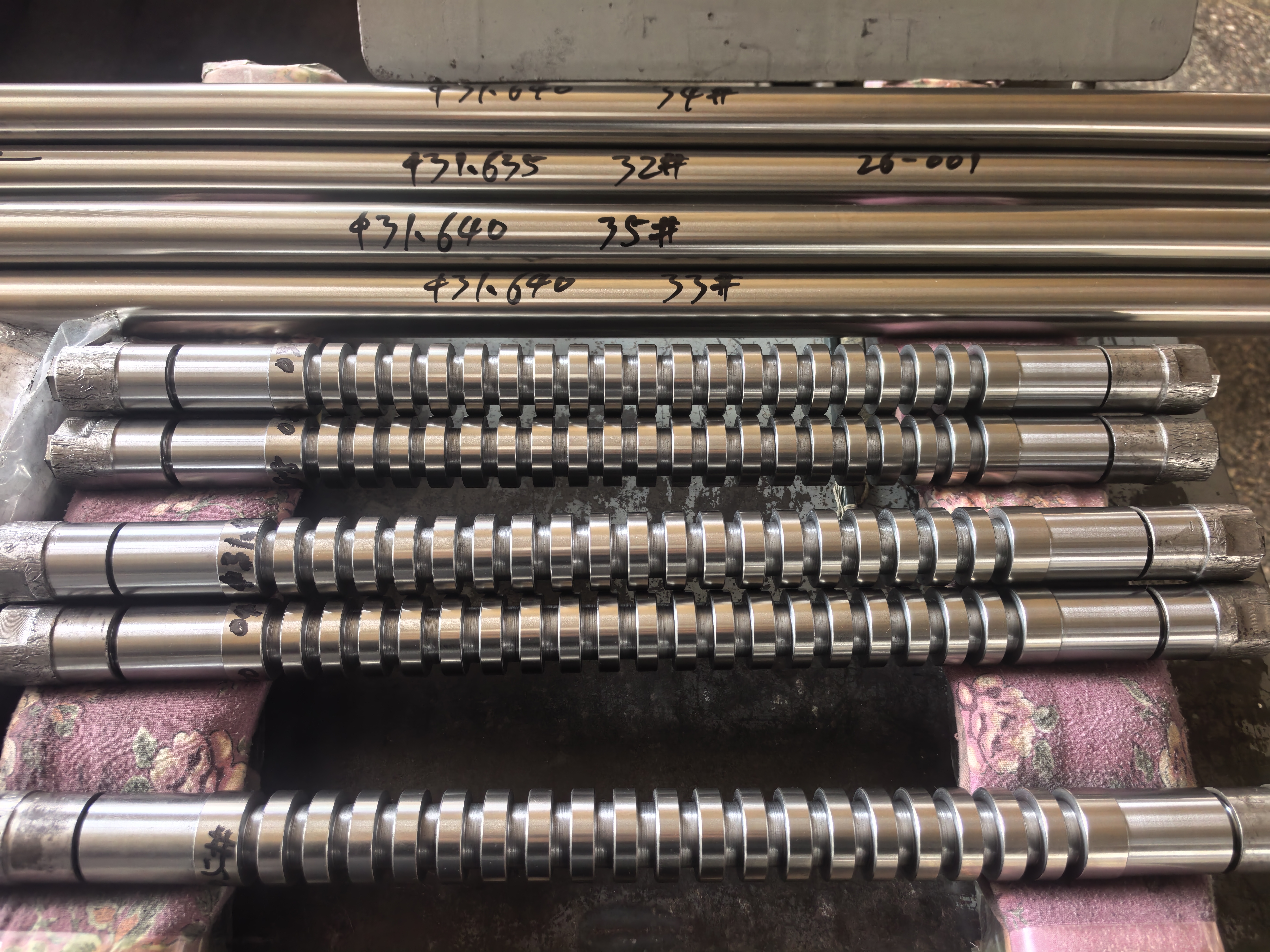
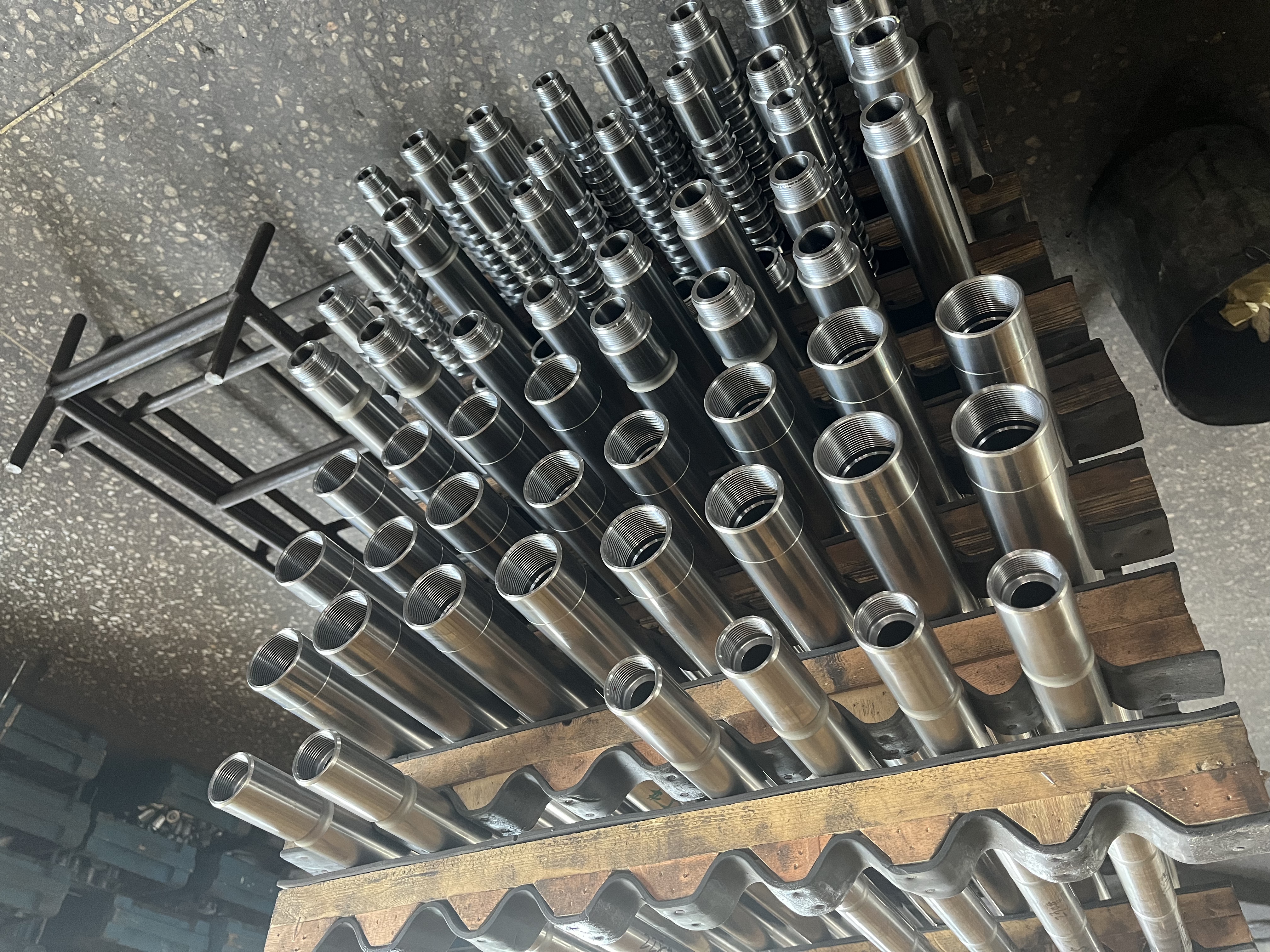
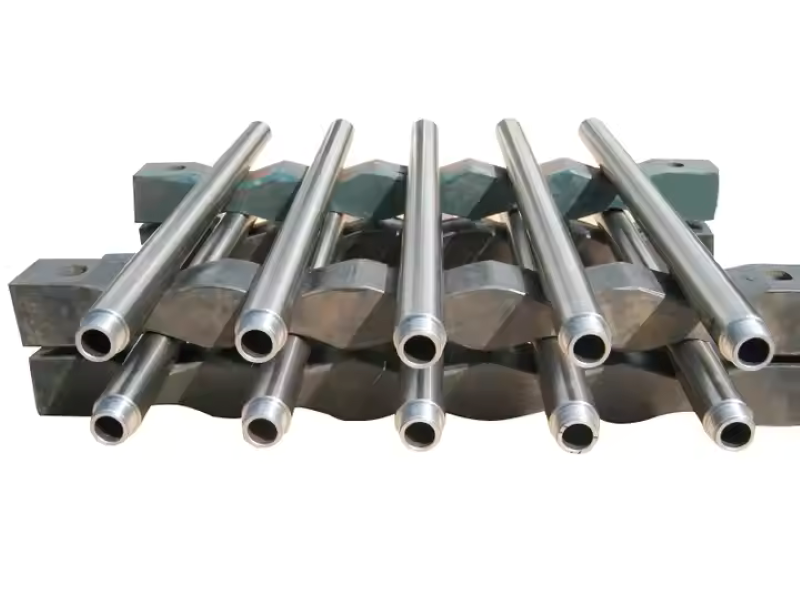
Nowadays chrome-plated plungers are very prone to hydrogen embrittlement, coating spalling, and abrasive wear, among other things, especially in extremely deep wells, heavy oil wells, and very high sand content environments. This means a great reduction in pump efficiency, and working over the well is often very expensive.
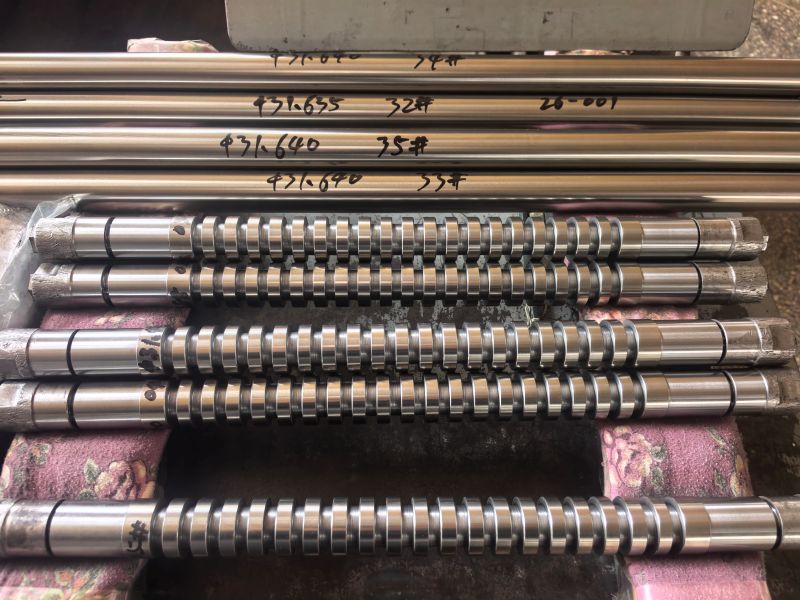
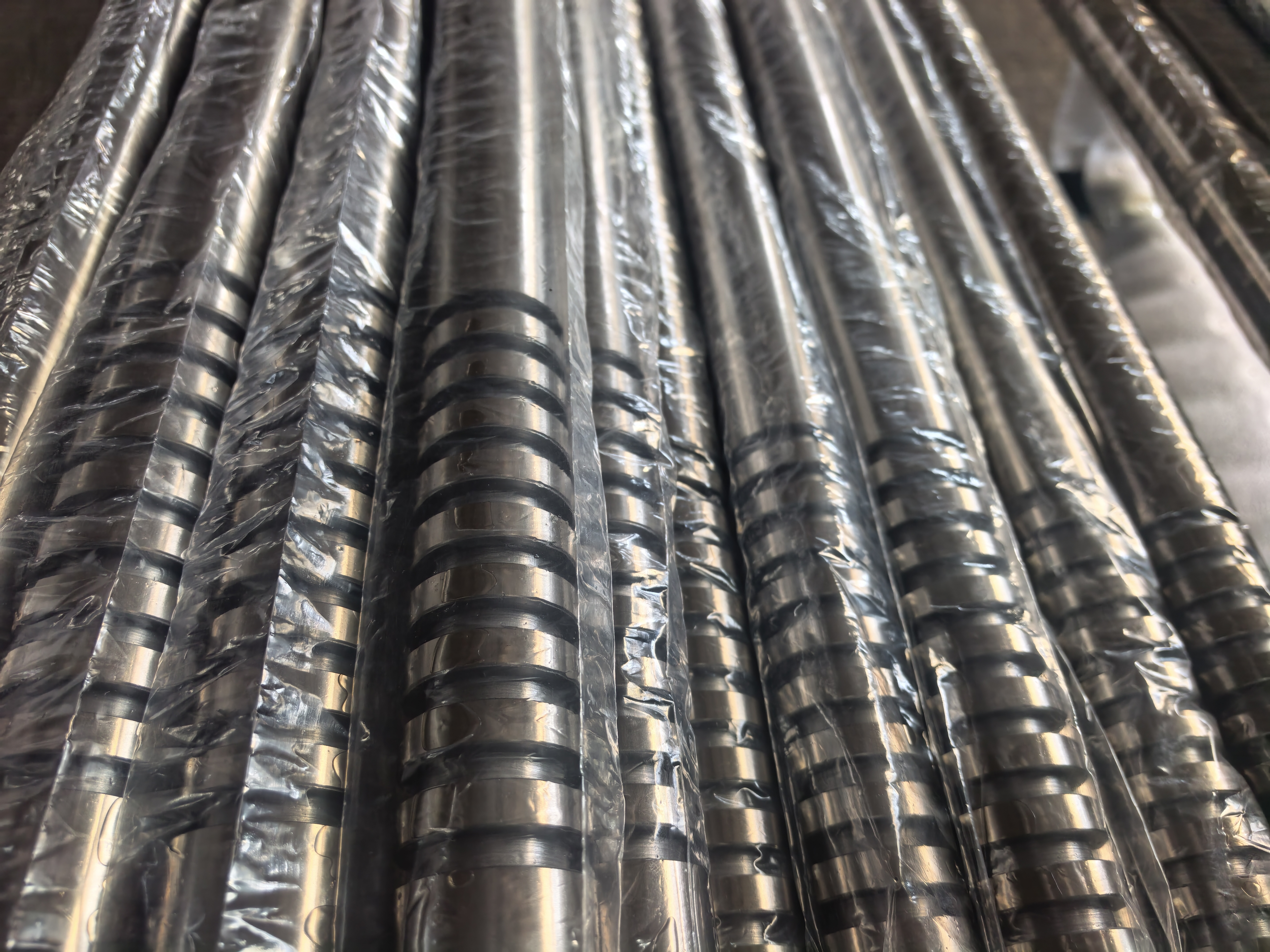
Dongsheng Spray Metal Plungers use a nickel-based alloy thermal spray-welding technique that significantly improves the surface hardness of the spray metal grooved plunger as well as its bonding strength with the base material. By creating a hard-alloy coating metallurgically bonded to the base material, we have, on average, increased the pump run life per individual well by two to three times.
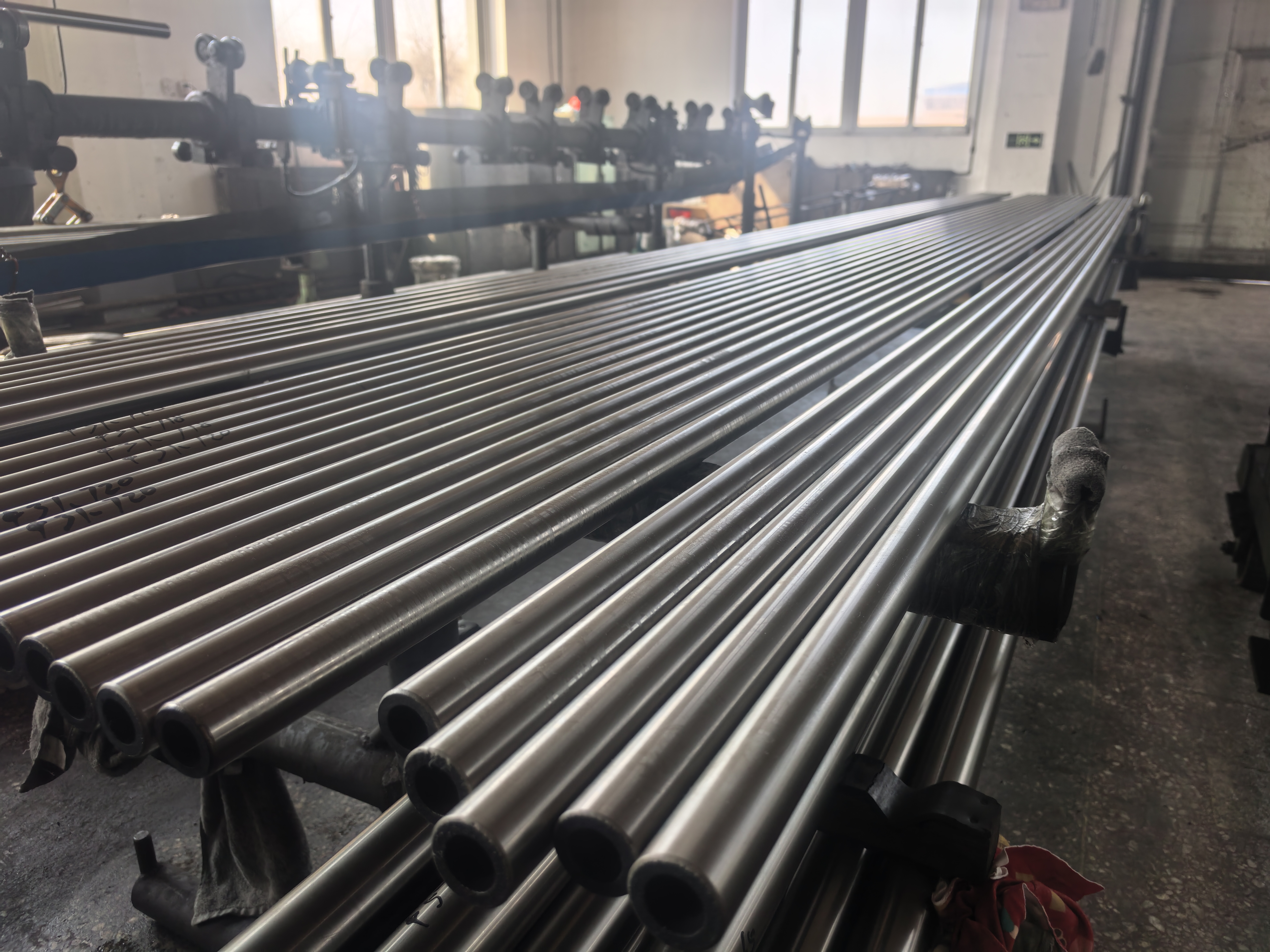
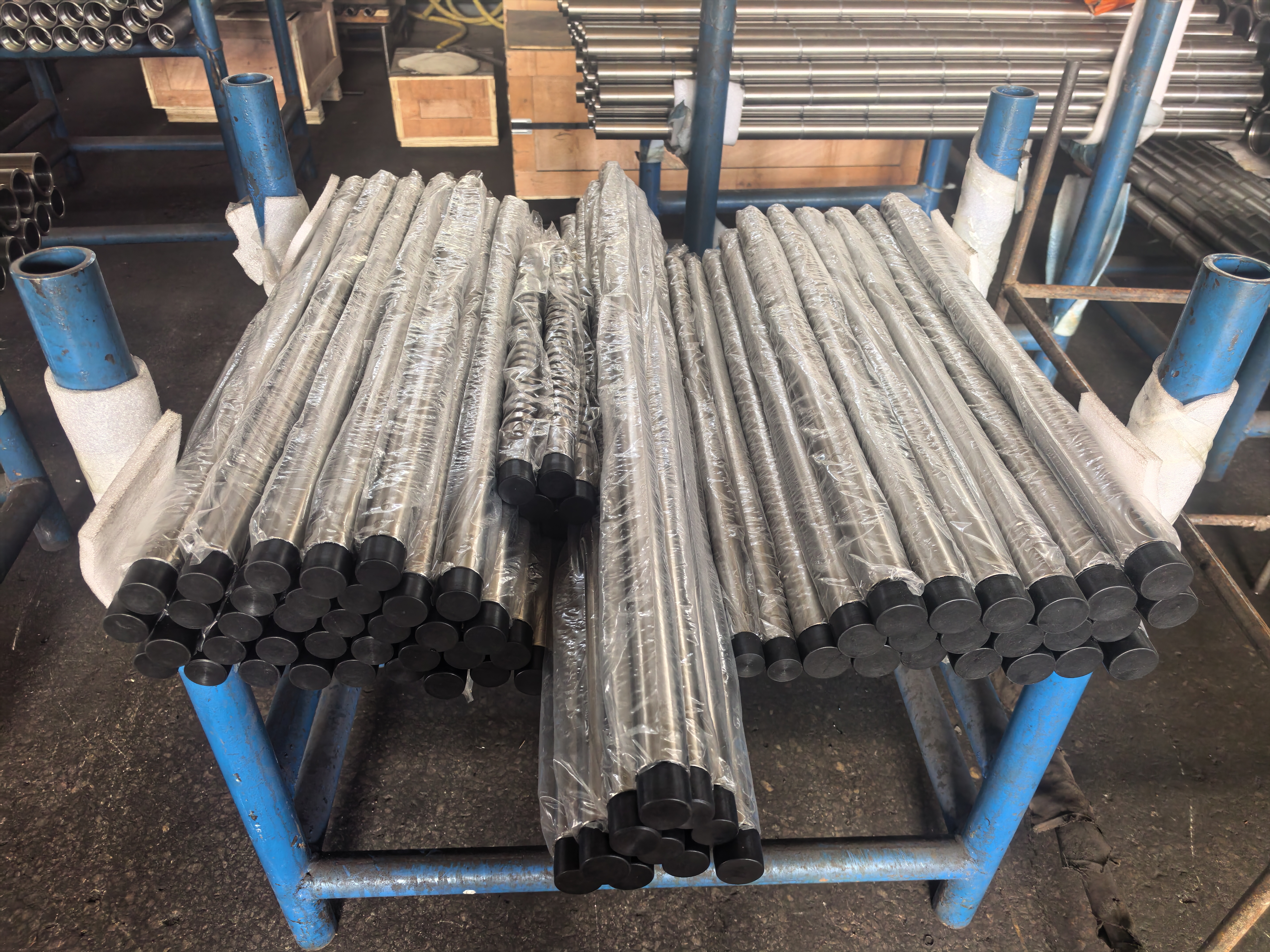
How Can You Tell If a Spray-Welded Down hole Pump Plungers Is What Your Oil Well Needs?
A spray-welded plunger is not a must-have for every oil well. However, in the following operational scenarios, it is the only option to substantially reduce the unit production costs (Lifting Costs):
High-Sand/Sand-Return Wells: Mechanical impurities can cause severe surface scratching on standard plungers.
Heavy Oil Thermal Recovery Wells: Offers exceptional thermal stability to withstand environments characterized by thermal contraction and high-temperature friction.
Corrosive Media: In the presence of H2S, CO2, or high-salinity formation water, standard coatings are susceptible to chemical corrosion, leading to spalling.
Deep Wells/Long-Stroke Wells: Subjected to extreme alternating loads, requiring exceptionally strong adhesion between the substrate and the coating.
To assist procurement managers in making data-driven decisions, we have quantified and compared key metrics:
| Performance Metric | Traditional Chrome Plated Plunger | Spray Welded Plunger (Thermal Spray Welded) | Procurement Decision Basis |
| Coating Process | Electro-deposited (physical bonding) | Oxy-acetylene thermal spray welding (metallurgical bond) | Prevents coating delamination |
| Surface Hardness | HRC 60–65 (thin layer) | HRC 58–62 (full-depth hardened layer) | Extremely high wear resistance & service life |
| Corrosion Resistance | Moderate, susceptible to hydrogen embrittlement | Excellent, resistant to acid, alkali, H₂S, and CO₂ | Suitable for complex corrosive well conditions |
| Coating Thickness | 0.003" – 0.007" | 0.020" – 0.040" | Larger wear allowance / longer service interval |
| Overall Maintenance Cost | Low initial cost, frequent workovers required | Medium initial cost, significantly reduced workover frequency | Better long-term ROI (Return on Investment) |
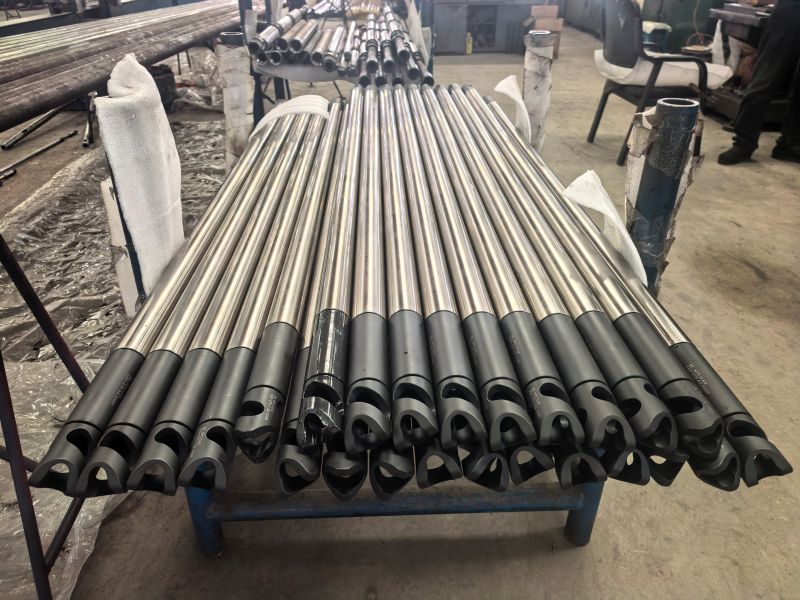
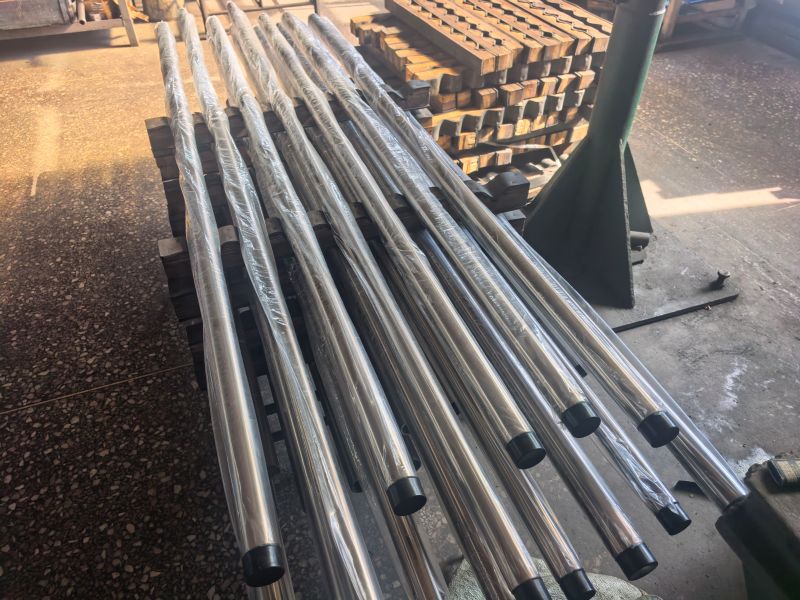
Compatible with mainstream API 11AX sucker rod pump models
| Parameter | Specification Range |
| Diameter Range | 1.0625" – 4.75" (customizable upon request) |
| Maximum Length | Up to 30 feet (continuous spray welding) |
| Base Material | Carbon Steel / Stainless Steel / Monel |
| Coating Hardness | HRC 58 – 62 |
| Compatible Pump Types | RHAM, RHBM, RHTM, RWAM, RWBM, etc. |
| Tolerance Control | API 11AX standard / customer-specified tolerances |
Why is it that our spray-welded coating layer stays on so well?
At the outset, our nickel-based alloy powders are uniquely formulated, and then we create a metallurgical bond between them and carbon steel or stainless steel substrates by employing either supersonic thermal spraying or oxy-acetylene flame spray-welding methods.
In terms of base metals, the choice was made to use 1045 carbon steel or 304/316 stainless steel in order to preserve not only the structural integrity but also the strength of the engine.
Spray-Welding Method: When the temperature is raised to extremely high levels in excess of 1000°C, the alloy layer formed in the course of the process and the base metal surface essentially become one as they blend together. This is not just a simple surface coating; they are fully interpenetrated each other, and this protective layer even has the property as if it “grows” onto the substrate material.
Finishing by Grinding: The workpiece will undergo a secondary heat treatment and subsequent precision grinding on a high-accuracy centerless grinder to obtain the most excellent cylindricity and surface finish (Ra ≤ 0.4μm) of the part. What is most important here is to control the very low amount of»
Our engineers strongly advise you to confirm the following three points before you place a purchase order:
1. Formation Sand Grain Size: If the sand grains happen to be bigger than the plunger clearance, it means that you will have to use spray-welded plunger combined with long-plunger/short-barrel configuration.
2. Coating Thickness:
Up to now, the coating thickness of our product is 0.020" per side as a standard; however, in cases of very corrosive environment, we can arrange for a thicker coating by special order.
3. Connection Threads:
Please make sure that thread specs(API Pin/Box) match exactly those of your existing sucker rods or couplings.
Q: Does using a spray-welded plunger cause the wear of the pump barrel to happen faster?
A: Actually, quite the opposite. Since the spray-welded coating has very low and stable coefficient of friction, when it is paired up with a hard pump barrel (e.g., a nitrided barrel), they form a friction pair that is almost perfect and actually leads to the extension of the total service life of the entire pump assembly.
Q: Do you provide customization for specific operating conditions?
A: Yes, certainly. Once your well condition report is available (including sand content and fluid composition), we will be able to recommend a particular alloy powder blend—for example, increasing chromium to enhance acid resistance, or increasing tungsten to improve abrasion resistance.
Q: How many units are you able to produce in a year? Are you capable of handling large orders from oilfield service companies?
A: Thanks to our automated, continuous spray-welding production line which not only ensures coating uniformity but also enables us to manufacture more than 50,000 plungers annually.
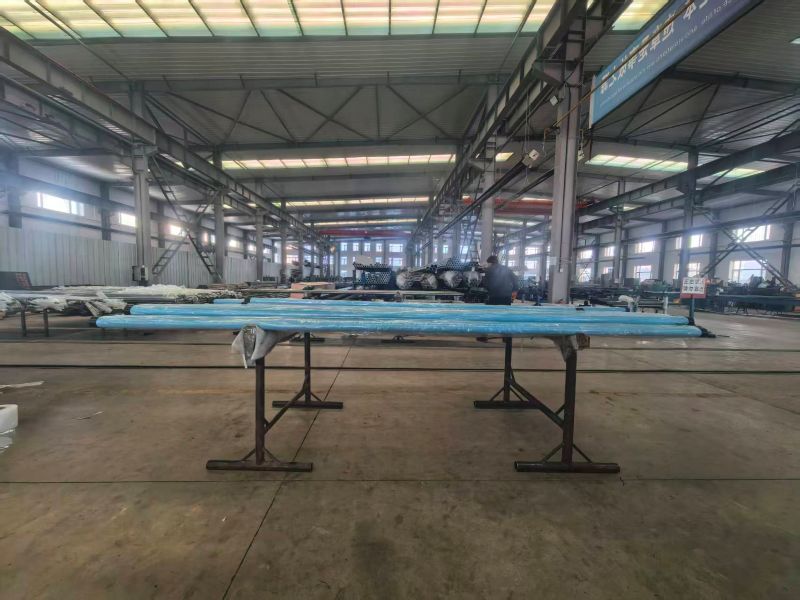
Tieling Dongsheng Petroleum Machinery Co., Ltd. was established in 2000 and is a leading manufacturer of oil well pumps, deep well oil sucker rod pumps for well drilling, and downhole tools in China. The company has ISO9001 quality management system certification and API 11AX certification, and is committed to providing high-performance oil well pumps, special pumps, and deep well oil sucker rod pump for well drilling products for oil fields around the world. The factory covers an area of 20,000 square meters, has 96 employees, and produces more than 20,000 oil well pumps of various types annually. Deep well oil sucker rod pump for well drilling is exported to many countries, such as the United States, Canada, and Indonesia, and widely serves major oil fields such as Liaohe, Daqing, Changqing, and Shengli. As a qualified supplier of CNPC, Sinopec, and Weatherford, we focus on technology innovation and quality control with the "Dongsheng" brand as the core to create greater value for customers.