Introduction: The Hidden Hero of Seamless Workovers
In the high-stakes world of oilfield operations, the difference between a profitable workover and a costly, hazardous mess often comes down to a single component: the Rod Type Drainer. As oil wells mature and require more frequent maintenance, the mechanical integrity of the tubing string becomes paramount. For B2B buyers—importers, wholesalers, and OEM partners—sourcing a reliable Tubing drain valves for oilfield applications is not just about equipment; it's about risk management and operational uptime.
The primary function of a Rod Type Drainer is to allow for the draining of fluid from the production tubing back into the well annulus before the tubing string is pulled to the surface. Without this critical step, operators face "wet strings"—tubing filled with heavy, pressurized oil and water—which pose significant environmental risks, increase rig load, and endanger field personnel. At DongSheng, our engineering philosophy centers on precision, durability, and environmental stewardship, ensuring our drainers perform under the most grueling downhole conditions.
1. Understanding the Rod Type Drainer Concept
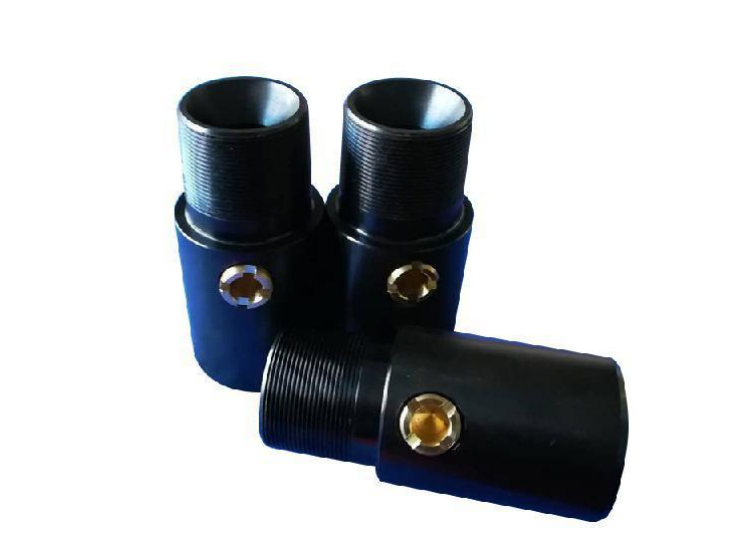
A Rod Type Drainer is a specialized downhole tool integrated into the tubing string, typically located just above the pump or the seating nipple. Its design is deceptively simple yet technically demanding. It consists of a housing, a specialized rod-based shear mechanism, and sealing elements.
The Mechanism of Action
When it comes time to pull the tubing string for a pump replacement or well service, the drainer is activated—usually by increasing internal tubing pressure or through mechanical rod movement—to shear a pin. Once the pin shears, the internal "rod" or piston shifts, opening a communication port between the tubing and the annulus. This allows gravity to drain the fluid column, ensuring a "dry string" during the trip out of the hole.
Technical Advantages
Environmental Protection: By ensuring oil stays in the well rather than spilling onto the rig floor, the Rod Type Drainer is essential for meeting modern ESG (Environmental, Social, and Governance) standards.
Rig Load Reduction: Draining the fluid removes thousands of pounds of hydrostatic weight, reducing wear and tear on the workover rig and increasing pulling speed.
Operational Safety: Eliminates the hazardous "oil bath" field workers endure when breaking wet connections at the surface.
2. Technical Excellence: Why DongSheng Sets the Industry Standard
For B2B wholesalers and brand owners, credibility is built on performance. Our Rod Type Drainer is engineered based on decades of field data and metallurgical innovation.
Precision Shear Pin Technology
The "heart" of our drainer is the shear pin. Unlike lower-quality alternatives that may shear prematurely due to vibration or fail to shear when needed, DongSheng utilizes high-precision alloy pins. Each pin is calibrated to specific pressure ratings, ensuring a predictable and reliable "pop" every time.
Superior Metallurgy and Corrosion Resistance
Tubing drain valves for oilfield use must survive corrosive environments. We utilize:
High-Grade Carbon or Alloy Steel: Treated for H2S and CO2 resistance.
Premium Elastomers: Our seals are designed to maintain their integrity even after months or years of immersion in high-temperature hydrocarbons.
Precision Machining: Every drainer is manufactured to API standards, ensuring that threads and tolerances are perfectly aligned for easy installation and zero-leak performance.
3. Scene Pain Points: The High Cost of Failure
When a Rod Type Drainer fails, the consequences ripple through the entire operation. Understanding these pain points is critical for selection.
Pain Point 1: The Environmental Spill
A single wet string pulled without draining can result in barrels of crude oil spilling onto the well site. This leads to heavy fines, expensive remediation, and damage to the company's reputation.
TheDongSheng Solution: Our drainers offer a 99.9% activation success rate, ensuring the environment remains protected.
Pain Point 2: Rig Downtime and Safety Hazards
Pulling a wet string is slow. The rig must move at a fraction of its normal speed to manage the weight and the mess. Furthermore, the risk of fire or slips on the rig floor increases exponentially.
The DongSheng Solution: By facilitating a clean, dry pull, our tools can shave hours off a standard workover, saving thousands of dollars in rig time.
Pain Point 3: Premature Activation
Cheaply made drainers can shear due to pressure spikes during normal production or pump start-ups.
The DongSheng Solution: Our robust rod-style design isolates the shear pins from minor pressure fluctuations, ensuring they only activate when intentionally triggered.
4. Selection Guide: Matching Your Reservoir Conditions
Choosing the right Rod Type Drainer is a matter of engineering, not guesswork. Here are the key factors our OEM and wholesale partners should consider:
Well Pressure and Depth
The deeper the well, the higher the hydrostatic pressure. It is vital to select a drainer with a shear rating that is significantly higher than the normal operating pressure but within the burst limits of the tubing.
Fluid Chemistry
Is the well "sour" (H2S) or "sweet"?
For sour wells, we recommend our specialized alloy housings that prevent hydrogen embrittlement.
For high-sand environments, we offer drainers with recessed ports that prevent sand from fouling the drainage path.
Tubing Size and Connection
We provide standard API sizes (2-3/8", 2-7/8", 3-1/2") with EUE (External Upset End) or NUE threads. Custom OEM thread patterns are available upon request for specific brand requirements.
5. Parameter Suggestions: Engineering Precision
To ensure optimal performance, we suggest the following parameters for your procurement orders:
Feature | Standard Recommendation | Heavy-Duty / Corrosive |
Material | AISI 4140 Alloy Steel | 316 Stainless or Inconel Coating |
Shear Pressure | 1,500 - 3,000 PSI | Customizable up to 5,500 PSI |
Seal Type | Nitrile (Buna-N) | Viton or AFLAS for High Temp |
Thread Type | API 5B EUE | Premium Gas-Tight Threads |
6. Common Mistakes to Avoid in Drain Valve Operations
Even the best Rod Type Drainer can be compromised by poor operational habits.
Improper Torque during Installation: Over-torquing can deform the housing, while under-torquing leads to leaks. Always follow API recommended makeup torque.
Using Incorrect Shear Pins: Never substitute a factory-calibrated pin with a generic bolt. This is the leading cause of "no-shear" failures.
Ignoring Temperature Ratings: Elastomers have a "glass transition" point. Using a standard seal in a high-temp steam injection well will lead to seal failure and tubing leaks.
Failure to Clean Threads: Debris in the tubing threads can cause the drainer to sit unevenly, creating a point of failure under high pressure.
7. B2B Concerns: Quick-Fire Answers for Buyers
Q: How do you guarantee the quality of the shear pins?
A: Each batch of pins undergoes shear-testing in our lab to verify they break within ±5% of the rated pressure.
Q: Can we order these as unbranded for our own private label?
A: Yes, we offer full OEM services, including custom branding, specialized colors, and proprietary packaging.
Q: What is the shelf life of the seals?
A: When stored in a cool, dry place away from UV light, our premium seals have a shelf life of 5–10 years.
Q: Do you offer bulk discounts for international wholesalers?
A: Absolutely. We have tiered pricing structures designed to support large-scale importers and distributors.
FAQ
Q1: What is the difference between a Rod Type Drainerand a Shear Disk Drainer?
A: A shear disk uses a thin metal membrane that ruptures. A Rod Type Drainer uses a mechanical rod held by shear pins. The rod type is generally considered more robust and less prone to fatigue failure from pressure pulsations.
Q2: How do I calculate the pressure needed to activate the drainer?
A: The activation pressure is the sum of the hydrostatic pressure at the drainer depth plus the shear rating of the pins. Our engineering team provides a calculation sheet with every order.
Q3: Can the Rod Type Drainer be reused?
A: Yes. After a workover, the drainer can be inspected, fitted with new seals and new shear pins, and returned to service, making it a very cost-effective tool.
Q4: Is it compatible with both electric submersible pumps (ESP) and rod pumps?
A: While primarily used with rod pumps, Tubing drain valves for oilfield applications are compatible with any tubing string where a dry pull is required, including ESP and PCP (Progressive Cavity Pump) completions.
Conclusion: Investing in Reliability
In the competitive landscape of B2B oilfield equipment, the Rod Type Drainer represents a convergence of safety, efficiency, and environmental responsibility. By eliminating the risks of wet strings and ensuring predictable tool activation, DongSheng provides its partners with more than just a valve—we provide peace of mind.
For importers and wholesalers, choosing a high-quality Rod Type Drainer means fewer product returns, higher client satisfaction, and a stronger reputation in the field. When it comes to Tubing drain valves for oilfield excellence, engineering precision is the only path to long-term success.