In Part 1, we discussed the causes of pump failures and the preparation procedures required before starting an oil well pump inspection operation.
Once the rod string has been pulled from the well, the workover operation enters its most critical phase: tubing removal, pump inspection, and system reinstallation.
These stages determine whether the rod pump workover will successfully restore production or lead to additional operational risks.
This article explains the remaining steps of the pump inspection process used in modern oilfields.
What Happens After the Rod String Is Pulled?
After removing the rod string, technicians must prepare the well for tubing removal and pump inspection.
This stage involves several key procedures designed to ensure safe well control and accurate equipment diagnosis.
Opening the Tubing Drain
Before pulling the tubing string, the tubing column must be drained.
A steel rod or specialized tool is lowered into the tubing to activate the tubing drain valve, allowing the fluid inside the tubing to flow back into the wellbore.
This step reduces internal pressure and prevents large volumes of liquid from being lifted to the surface during tubing removal.
Proper drainage significantly improves safety and lifting efficiency during rod pump workover operations.
Removing the Wellhead and Installing Well Control Equipment
Once the tubing has been drained, the wellhead assembly can be removed.
Typical operations include:
Removing the Christmas tree or wellhead equipment
Installing a well control device or blowout preventer
Sealing the wellhead during tubing operations
These measures help prevent well kicks, fluid leakage, or environmental contamination during the workover process.
Well servicing operations commonly require removing surface equipment and pulling rods or tubing to restore production performance.
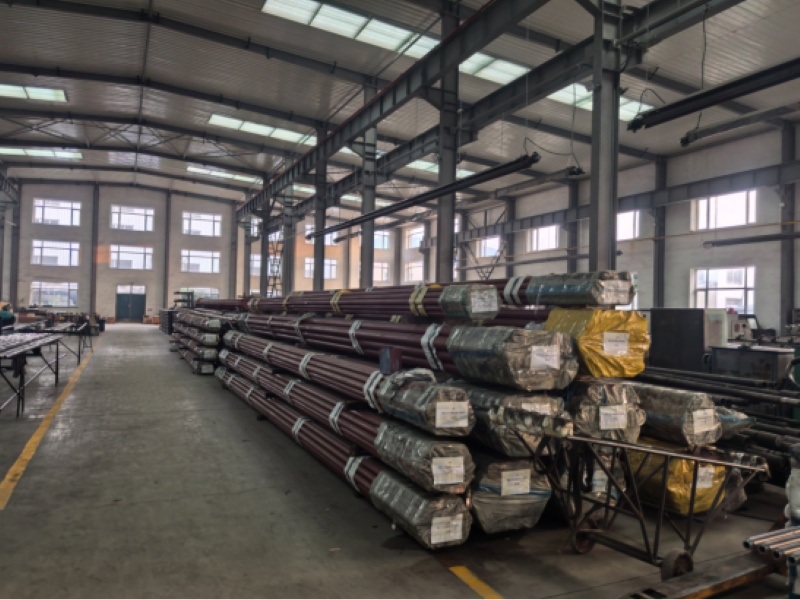
Pulling the Tubing String
After well control equipment is installed, crews begin pulling the tubing string.
Tubing removal is performed joint by joint using elevators and power tongs.
Typical operational steps include:
Lifting the tubing joint with tubing elevators
Breaking the threaded connection using power tongs
Racking the tubing on a pipe rack
Repeating the process until the entire tubing string is removed
This procedure must be carried out carefully to avoid damaging tubing threads or dropping tools into the well.
During workover operations, tubing joints are lifted, connected, and installed or removed using specialized handling equipment such as elevators, slips, and power tongs.
Tubing and Rod Inspection Procedures
After the tubing string is pulled from the well, technicians perform a detailed inspection.
Key inspection items include:
Tubing wall corrosion
Thread damage
Mechanical deformation
Sand erosion
Wax buildup
Understanding these wear patterns helps engineers determine the root cause of pump failure and optimize future well operations.
For example:
Excessive coupling wear may indicate rod buckling
Sand erosion may reveal formation sand production
Severe corrosion may require upgraded material selection
These diagnostic insights are essential for planning effective sucker rod pump repair operations.
Sucker Rod Pump Inspection and Testing
Once the tubing is removed, the sucker rod pump can be retrieved and inspected.
Technicians evaluate the following components:
Pump barrel condition
Plunger surface wear
Standing valve integrity
Traveling valve performance
Seal and thread conditions
The plunger should move smoothly inside the pump barrel without sticking or excessive clearance.
Before running the pump back into the well, technicians typically perform a manual pump test to verify suction and sealing performance.
If the pump fails inspection, it must be repaired or replaced before reinstalling the system.
Reconfiguring the Tubing String
After inspection and repair, the next step is tubing string configuration.
Proper tubing design is critical for ensuring long-term pump performance.
Engineers must calculate several key parameters:
Pump Setting Depth
Pump depth is determined using a combination of:
tubing hanger length
tubing string length
pump length
drain valve length
Accurate pump depth ensures the pump operates within the optimal fluid column.
Tailpipe Depth
In wells with sand production, a tailpipe and sand filter may be installed below the pump.
This configuration helps prevent sand from entering the pump chamber and causing sand lock.
Rod String Configuration
Rod string design must consider several factors:
well depth
pump size
production load
rod strength
Proper rod string configuration helps minimize fatigue failure and rod buckling, extending equipment life.
Running the Tubing Back Into the Well
After the tubing string has been inspected and configured, it is run back into the well.
The installation process typically includes:
cleaning the tubing
applying thread compound
tightening threaded connections
lowering tubing into the wellbore
Each tubing joint must be properly torqued to prevent thread leakage or connection failure.
Proper tubing installation is essential for maintaining well integrity and efficient production.
Installing the Rod String and Pump Assembly
After the tubing string is installed, the rod string and pump assembly are lowered into the well.
The plunger must enter the pump barrel smoothly to avoid damaging the pump.
Operators must lower the rod string slowly while monitoring for abnormal resistance.
If the well includes a rod pump release mechanism, it must be properly connected during this stage.
Pump Pressure Testing and Commissioning
Before restarting production, the system must undergo a pressure test.
Typical test parameters include:
pump pressure stabilization
pressure holding time
pressure drop evaluation
If the pressure drop remains within acceptable limits, the pump system is considered operational.
Operators then reconnect the pumping unit and begin trial pumping operations.
Final Well Startup and Handover
Once the pump system passes testing, the well is returned to production.
Final procedures include:
tightening all wellhead bolts
cleaning the wellsite
reconnecting production flowlines
verifying pumping unit alignment
After the workover operation is completed, the well is formally handed back to the production team with all operational records documented.
Engineering Insight: Reducing Pump Workover Frequency
For oilfield operators, reducing the frequency of rod pump workover operations is a major goal.
Frequent workovers increase operational costs and cause production downtime.
Many modern oilfield equipment manufacturers now provide high-durability rod pump systems, wear-resistant tubing materials, and advanced downhole tools designed to extend pump service life.
By combining reliable equipment with optimized maintenance strategies, operators can significantly reduce oil well pump inspection frequency and improve overall field productivity.
Conclusion
Oil well pump inspection is one of the most important maintenance operations in rod pumping systems.
A successful rod pump workover operation requires careful planning, precise equipment inspection, and strict adherence to safety procedures.
When performed correctly, pump inspection workovers can:
Restore well productivity
Extend equipment lifespan
Reduce long-term operating costs
Improve production stability
Understanding the complete workflow of oil well pump inspection and sucker rod pump repair allows operators to maintain efficient and reliable oil production.
FAQ
How often should an oil well pump be inspected?
Most oilfields schedule pump inspections every 1–3 years, depending on well conditions and pump performance.
What is a rod pump workover?
A rod pump workover is a maintenance operation that involves pulling the rod string and tubing to inspect or repair the sucker rod pump.
What are the most common rod pump failures?
The most common failures include sand lock, wax blockage, rod fatigue, valve leakage, and tubing wear.