
The Interplay Between Energy and Equipment Markets Amidst Geopolitical Conflict
Recent geopolitical tensions surrounding the conflict involving Iran are exerting a profound impact on the global energy market. As international oil prices continue their upward trajectory and supply chain volatility intensifies, several sectors closely tied to the petroleum industry—particularly the oilfield equipment manufacturing sector—have already begun to feel the distinct repercussions.
For global buyers of sucker rod pumps and oil production equipment, a critical question is becoming increasingly pertinent:
Is the conflict involving Iran driving up the prices of oilfield equipment? And will it influence current procurement decisions?
1. Supply Disruptions Drive Sustained Rise in Oil Prices
The ongoing conflict has disrupted oil production and transportation systems within the Middle East, particularly regarding critical energy transit routes and infrastructure.
International oil prices are projected to rise by approximately 20%–40% in the short term.
Crude oil prices have already breached the $100-per-barrel mark, with expectations of further upward movement.
Energy transportation and maritime security in the Gulf region face heightened risks.
The rapid surge in oil prices not only reflects market sentiment but also directly ripples through the entire oil industry value chain, impacting everything from upstream extraction to downstream equipment manufacturing.
2. Manufacturing Costs for Sucker Rod Pumps Face Upward Pressure
As a critical component of oilfield artificial lift systems, the production of sucker rod pumps relies on a variety of industrial materials and significant energy consumption. Against the backdrop of rising oil prices, their cost structure is undergoing a transformation:
Rising Raw Material Costs
Prices for steel and alloys fluctuate in tandem with rising energy costs.
Prices for petroleum-derived materials—such as rubber seals—are trending upward concurrently.
Increased Manufacturing Expenses
Costs for electricity and fuel required for machining, casting, and surface treatment are on the rise.
The share of energy consumption costs within the overall production budget is increasing.
Logistics and Transportation Pressures
Rising fuel prices are driving up both maritime and overland shipping rates.
Geopolitical risks and conflicts are leading to higher transportation insurance premiums.
Delivery lead times are becoming extended in certain regions.
Given that oil itself serves as a vital industrial feedstock, fluctuations in its price ripple through every layer of the supply chain, ultimately impacting the ex-factory prices of equipment.
3. A Market "Paradox": Rising Costs Coexisting with Growing Demand
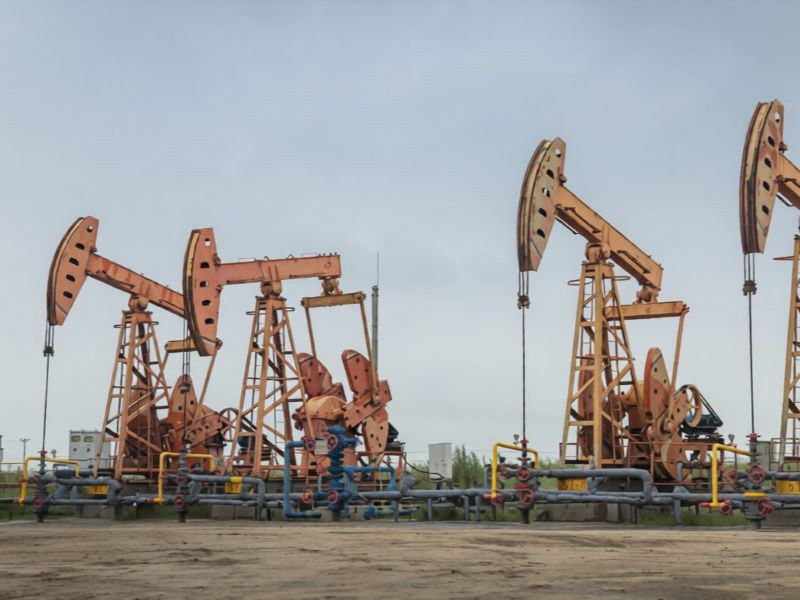
Despite continuously climbing manufacturing costs, demand within the oilfield equipment market is likely to strengthen in tandem.
Key drivers behind this demand growth include:
Rising oil prices, which boost the profitability of oil companies;
Increased capital expenditure by upstream enterprises to expand extraction operations; and
A growing reliance on high-efficiency artificial lift systems (such as sucker-rod pumps) for aging oil wells.
Against this backdrop, the market exhibits a distinctive structural dynamic:
On one hand: Suppliers face mounting cost pressures;
On the other hand: Procurement demand continues to rise.
This scenario—characterized by a simultaneous increase in both costs and demand—is expected to persist for the foreseeable future.
4. Impact on Global Buyers
For distributors, EPC contractors, and oilfield service companies, the current market environment presents both new challenges and opportunities:
Short-term Risks:
Heightened volatility in product pricing and diminished price stability
Increased logistical uncertainty, impacting project schedules
Exchange rate and payment risks in certain regions
Medium-term Opportunities:
Resurgence in global oilfield development activities
Sustained growth in demand for artificial lift systems
Rising demand for equipment upgrades and replacements
Amidst this uncertain environment, procurement decisions are shifting from a "price-oriented" approach to one focused on "stability and reliability."
5. How Dongsheng Helps Clients Navigate Market Changes
In the face of a complex and volatile international environment, Dongsheng stands as a manufacturer distinguished by its stable supply capabilities. With 25 years of specialized focus on sucker rod pumps and oilfield equipment, Dongsheng serves a global clientele comprising over 100 oilfield operators, equipment distributors, and engineering contractors. In response to current market shifts, we have implemented several key measures:
We support multi-specification customization to meet the diverse operational requirements of various oil wells.
We offer flexible pricing mechanisms to assist clients in locking in their procurement costs.
6. Conclusion: Rational Procurement Strategies Amidst Market Uncertainty
The conflict in Iran is reshaping the global energy landscape, with its impact gradually rippling outward from oil prices to the oilfield equipment sector.
Although rising costs have become an undeniable reality, the concurrent rise in oil prices has also driven an increase in demand for equipment—particularly within the artificial lift segment.
For procurement professionals, the most critical strategies at this juncture are:
To plan procurement cycles in advance.
To lock in prices for critical equipment.
To select suppliers with proven, stable delivery capabilities.