
Get the latest price? We will reply as soon as possible (within 12 hours)

News

  • Selection Guide for API Type Tubing Pump vs. API Type Rod Pump
    05-15/2026
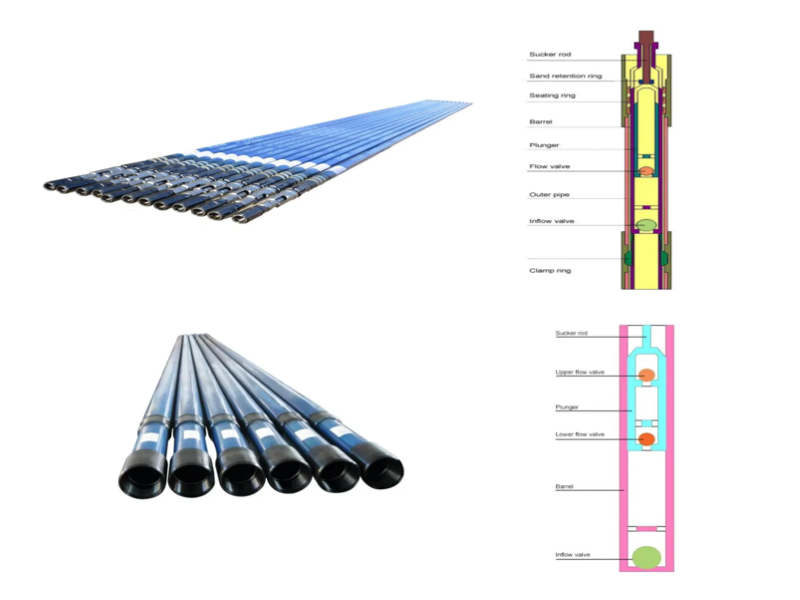
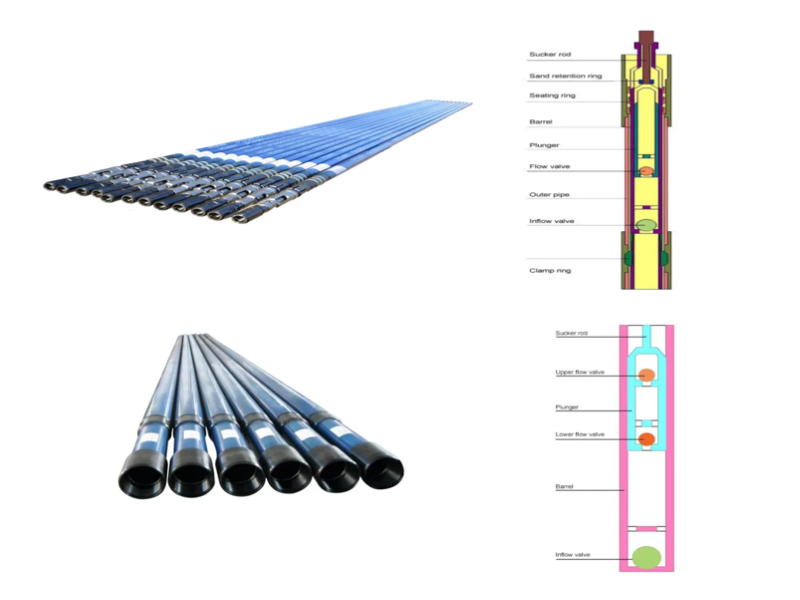
    There are significant differences between API Type Tubing Pumps and API Type Rod Pumps in terms of structure, workover method, operational adaptability, and life-cycle cost. Proper selection helps enterprises improve oil production efficiency, reduce maintenance frequency, and extend the pump inspection cycle. This document provides a multi-dimensional comparison to assist you in making the right selection.
  • In Which Oil Fields Can Rod Pumps Be Applied?
    05-07/2026
    Introduction As global oilfields continue to mature and reservoir pressure gradually declines, oil producers are under increasing pressure to maintain stable production while controlling operating costs. In recent years, discussions across industry forums such as Quora, Reddit, Oilpro, and upstream engineering communities have increasingly focused on one important topic:
  • What Is the Difference Between a Beam Pump and a Rod Pump?
    05-07/2026
    In the global oil and gas industry, artificial lift systems are essential for maintaining crude oil production after reservoir pressure declines. Among all artificial lift technologies, the terms Beam Pump and Rod Pump are frequently mentioned together. However, many international buyers, distributors, and even new oilfield engineers often confuse these two concepts.
  • What is a Rod Pump
    05-07/2026
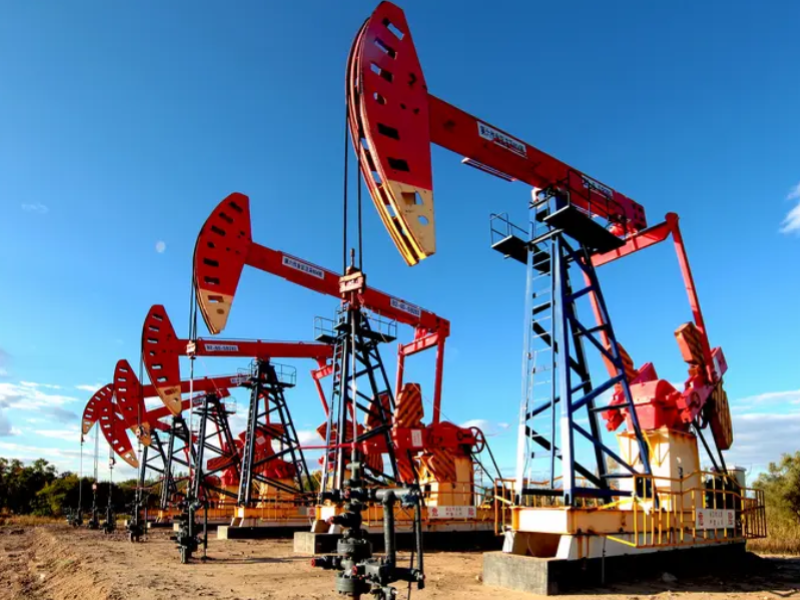
    A rod pump (also known as a sucker rod pump) is an artificial lift system designed to extract crude oil from wells with insufficient reservoir pressure. It functions as a positive displacement pump, utilizing a surface pumping unit (commonly a "nodding donkey") to drive a reciprocating sucker rod string. This motion activates a downhole plunger, creating the pressure differential necessary to lift fluids to the surface.
  • Separate Layer Production Pump vs Conventional Rod Pump
    04-25/2026
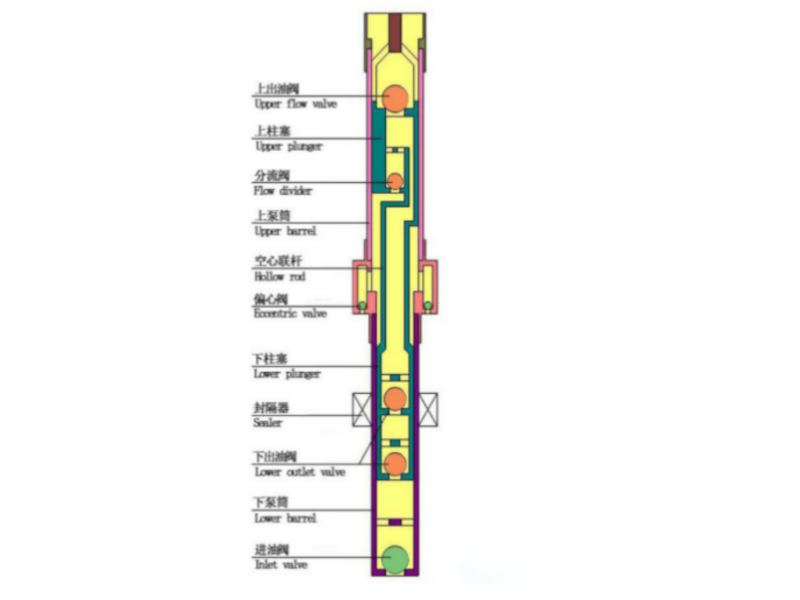
    A separate layer production pump is designed for multi-zone oil wells and allows independent production from different reservoir layers, while a conventional rod pump lifts fluid from a single zone. The main difference is that the separate layer system prevents crossflow and improves recovery efficiency in complex reservoirs.
  • What Types of Oil Wells Require a Separate Layer Production Pump?
    04-25/2026
    Learn when to use a separate layer production pump in oilfields. Discover ideal well conditions, benefits, and how to select the right pump for multi-zone production.
  • Global Artificial Lift Systems Market 2026–2030: Trends, Pump Selection Guide & Supplier Insights
    04-25/2026
    Explore the 2026–2030 global artificial lift systems market, including API 11AX pumps, sucker rods, and wellhead equipment. Get expert pump selection advice and request a custom quote.
  • How to Select the Right Artificial Lift Pump for Oilfield Conditions
    04-18/2026
    Engineering Guide Based on Sand, Viscosity, Depth & Reservoir Performance In modern oilfield production, artificial lift system selection directly determines production stability, workover frequency, and lifecycle operating cost. A mismatch between pump type and reservoir conditions can lead to:
  • How to Choose the Right Oil Well Pump for Deep Wells: RHA vs RWB vs Tubing Pump
    04-18/2026
    In oilfield production, selecting the wrong oil well pump for a deep well is not just a technical mistake—it directly leads to increased workover frequency, reduced production efficiency, and significantly higher operating costs.
  • Types of Oil Rod Pumps in Oilfield Applications
    04-11/2026
    In oil and gas production, selecting the right Oil Rod Pump (Sucker Rod Pump) directly impacts production efficiency, lifting cost, and long-term well stability.