

Introduction
In the global oil and gas industry, artificial lift systems play a critical role in maintaining stable production when natural reservoir pressure declines. Among all artificial lift technologies, the Rod Pump remains one of the most widely used, reliable, and cost-effective solutions for onshore oil production.
Whether in mature oilfields, marginal wells, heavy oil reservoirs, or low-pressure formations, Rod Pump systems continue to dominate due to their mechanical simplicity, operational stability, and relatively low maintenance costs.
For B2B buyers, oilfield contractors, drilling companies, EPC firms, and artificial lift distributors, understanding how a Rod Pump works — and how to select the right model — directly affects production efficiency, operating cost, and well lifecycle profitability.
This article provides a complete technical overview of the Rod Pump system, including:
What a Rod Pump is
How Rod Pumps Work
Main components
API rod pump classifications
Technical advantages
Common application scenarios
Selection guidelines
Common purchasing mistakes
Frequently asked questions from industrial buyers
If you are sourcing Rod Pump products for oilfield projects, OEM distribution, or large-scale procurement, this guide will help you make more informed decisions.
What is a Rod Pump?
A Rod Pump, also known as a Sucker Rod Pump, is a positive displacement artificial lift system used to extract crude oil from wells where natural formation pressure is insufficient to lift fluids to the surface.
The system transfers reciprocating motion from a surface pumping unit to a downhole pump through a string of sucker rods. This repeated up-and-down motion creates pressure differentials that lift oil from the reservoir to the surface.
Rod Pumps are commonly used in:
Conventional oil wells
Mature oilfields
Low-pressure reservoirs
Medium-depth wells
Heavy oil production
High water-cut wells
Due to their durability and adaptability, Rod Pump systems remain the preferred artificial lift solution in many oil-producing countries, including the United States, Russia, Kazakhstan, Saudi Arabia, Iraq, and China.
How Does a Rod Pump Work?
The Rod Pump operates on the principle of reciprocating mechanical motion.
Basic Working Process
The surface pumping unit generates vertical reciprocating motion.
The sucker rod string transfers this motion downhole.
The plunger inside the pump barrel moves upward and downward.
Traveling and standing valves open and close alternately.
Reservoir fluid enters the pump chamber and is gradually lifted to the surface.
Upstroke
During the upstroke:
The traveling valve closes
The standing valve opens
Fluid enters the pump barrel
Previously trapped fluid above the plunger is lifted upward
Downstroke
During the downstroke:
The standing valve closes
The traveling valve opens
Fluid passes through the plunger
The pump chamber refills for the next cycle
This continuous reciprocating action enables stable oil production.
Main Components of a Rod Pump System
A complete Rod Pump system consists of both surface equipment and downhole components.
Surface Equipment
Pumping Unit
The pumping unit converts rotary motor motion into reciprocating movement.
Typical types include:
Beam pumping units
Conventional pumping units
Air-balanced pumping units
Mark II pumping units
Prime Mover
Usually powered by:
Electric motors
Diesel engines
Variable frequency drive systems (VFD)
Gear Reducer
Controls speed and torque transmission.
Downhole Components
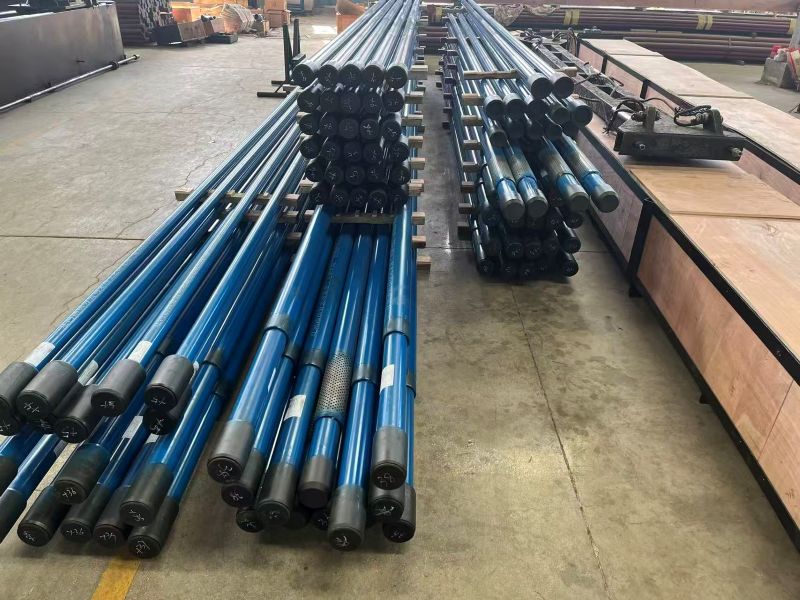
Pump Barrel
The barrel forms the working chamber where fluid displacement occurs.
High-quality barrels usually feature:
Precision honing
Wear-resistant internal surfaces
Corrosion-resistant materials
API-standard manufacturing tolerances
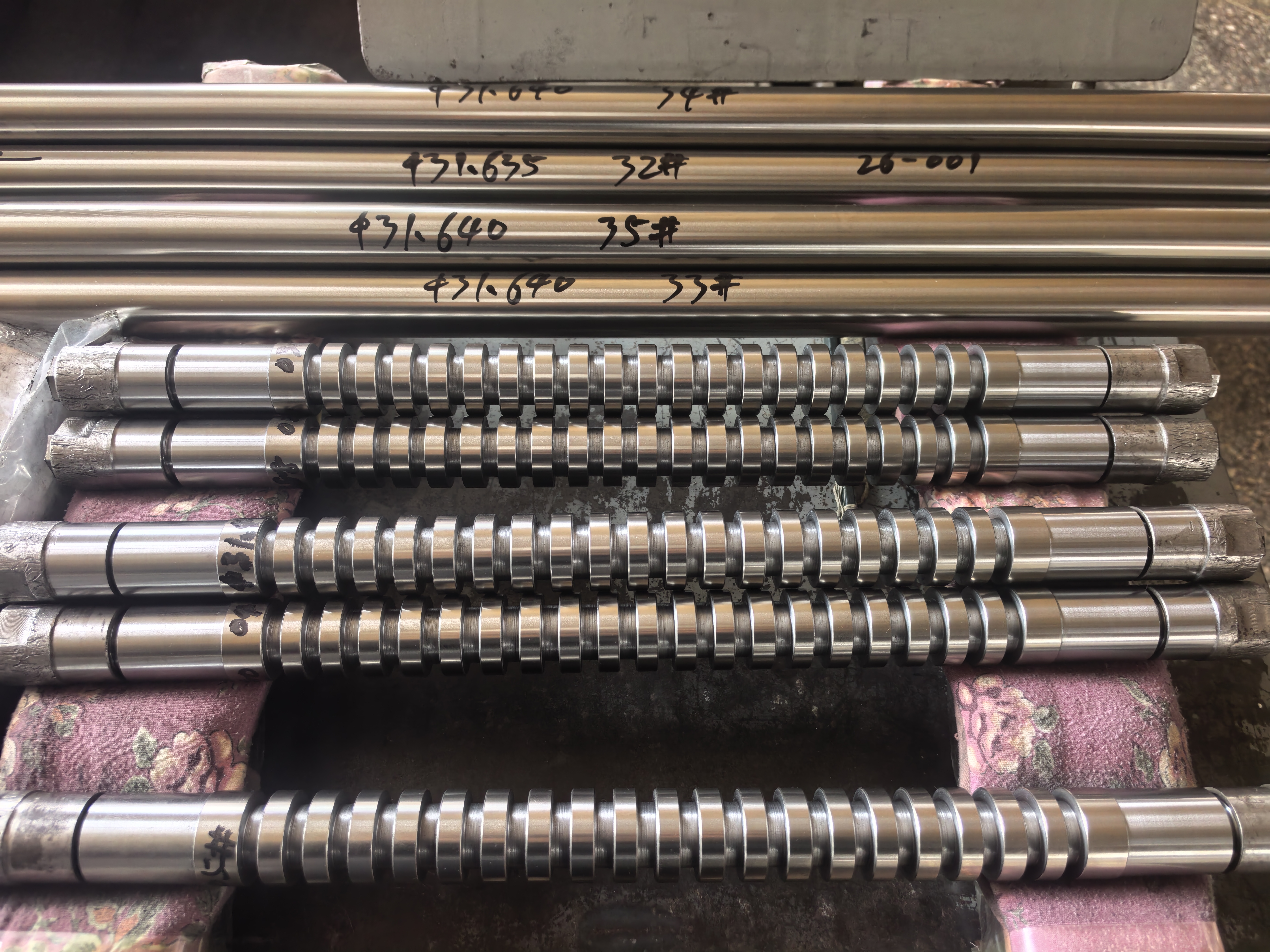
Plunger
The plunger reciprocates inside the barrel to create lifting action.
Common plunger types include:
Hard chrome plunger
Spray metal plunger
Grooved plunger
Sand-resistant plunger
Traveling Valve
Installed inside the plunger.
Functions:
Controls fluid transfer during downstroke
Prevents reverse fluid flow
Standing Valve
Located at the bottom of the pump.
Functions:
Allows reservoir fluid entry
Maintains pump chamber pressure
Sucker Rod String
Transfers motion from the surface to the downhole pump.
Common rod materials include:
Carbon steel
High-strength alloy steel
Corrosion-resistant rods
API Rod Pump Classification
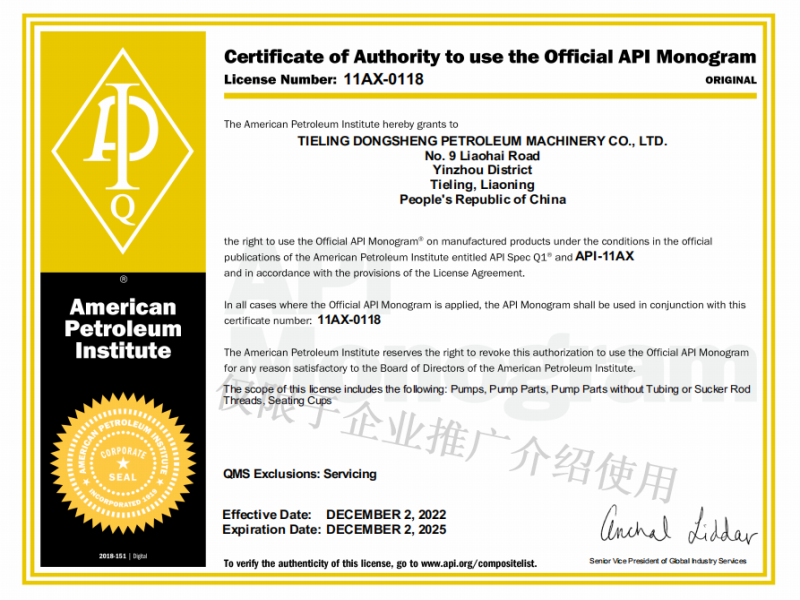
Most international oilfields follow API 11AX standards.
Rod Pumps are generally divided into:
Tubing Pumps
Tubing pumps are installed directly inside the tubing string.
Advantages
Large displacement
Higher pump efficiency
Suitable for deeper wells
Applications
High-production wells
Medium-to-deep wells
Stable formations
Insert Pumps
Insert pumps are installed using sucker rods inside the tubing.
Advantages
Easier maintenance
Faster retrieval
Reduced workover cost
Applications
Sand-prone wells
Corrosive wells
Frequent maintenance conditions
Technical Advantages of Rod Pump Systems
Compared with other artificial lift systems, Rod Pumps offer several major technical advantages.
High Mechanical Reliability
Rod Pump systems are mechanically simple.
Advantages include:
Fewer electronic components
Lower failure rate
Stable long-term operation
Easy troubleshooting
This is especially important for remote oilfields.
Cost-Effective Artificial Lift Solution
Rod Pumps generally have lower operating costs compared with:
Electric Submersible Pumps (ESP)
Progressive Cavity Pumps (PCP)
Hydraulic pumping systems
Lower investment costs make Rod Pumps highly attractive for marginal wells.
Wide Operating Flexibility
Rod Pumps can operate under:
High water cut
Variable production rates
Medium viscosity crude oil
Moderate gas interference
This flexibility allows operators to optimize production across different reservoir conditions.
Easy Maintenance and Repair
Many components can be replaced individually.
Benefits include:
Reduced downtime
Lower maintenance cost
Faster field servicing
Simplified inventory management
For oilfield service companies, this significantly improves operational efficiency.
API Standardization
API-standard Rod Pumps provide:
Interchangeable parts
Global compatibility
Easier procurement
Simplified logistics
This is especially valuable for international distributors and OEM buyers.
Common Rod Pump Types
Different well conditions require different Rod Pump configurations.
Conventional Rod Pump
The most common type.
Suitable for:
Standard crude oil production
Medium-depth wells
Stable operating conditions
Heavy Oil Rod Pump
Designed for high-viscosity fluids.
Features:
Larger valve clearance
Enhanced sealing
Wear-resistant materials
Sand-Control Rod Pump
Used in sand-producing wells.
Features:
Sand-resistant plungers
Hardened barrels
Improved valve design
Corrosion-Resistant Rod Pump
Suitable for corrosive environments.
Materials may include:
Nickel-plated components
Stainless steel
Special alloy materials
Common in:
CO₂ wells
H₂S environments
High-salinity reservoirs
Deep Well Rod Pump
Designed for high-depth applications.
Characteristics:
High-strength sucker rods
Enhanced fatigue resistance
Optimized plunger design
Key Technical Features Buyers Should Focus On
For B2B buyers, technical details directly influence equipment lifecycle and field performance.
Material Quality
High-quality Rod Pumps usually use:
Alloy steel
Nickel plating
Tungsten carbide coatings
Precision-machined components
Material selection impacts:
Wear resistance
Corrosion resistance
Service life
Barrel Precision
The clearance between the plunger and barrel is critical.
Benefits of precision machining:
Reduced fluid leakage
Higher volumetric efficiency
Improved pump performance
Valve Design
Valve sealing performance affects production efficiency.
High-quality valve systems improve:
Fluid sealing
Pump efficiency
Sand tolerance
Surface Coating Technology
Advanced coatings help reduce wear.
Common technologies include:
Hard chrome plating
Thermal spray metal coating
Ceramic coating
These technologies significantly extend pump service life.
Manufacturing Standards
Professional manufacturers usually provide:
API certification
Material traceability
Pressure testing
Dimensional inspection reports
For international projects, certification compliance is essential.
Typical Oilfield Applications
Rod Pumps are widely used across global oilfields.
Mature Oilfields
As reservoir pressure declines, Rod Pumps help maintain production economically.
Typical regions:
Texas oilfields
Russian mature reservoirs
Middle Eastern conventional fields
Heavy Oil Production
Rod Pumps can handle moderate-viscosity crude with proper configuration.
Especially suitable for:
Thermal recovery wells
Medium-heavy crude production
Low Production Wells
Rod Pumps remain highly economical in stripper wells and low-rate production wells.
Advantages:
Lower energy consumption
Reduced operating costs
Better ROI
Remote Oilfields
Because Rod Pumps require limited electronic systems, they are ideal for remote operations.
Benefits include:
Easy field maintenance
Strong environmental adaptability
Lower infrastructure requirements
Rod Pump Selection Guide
Choosing the right Rod Pump requires detailed well analysis.
Production Rate
Daily liquid production directly influences pump size selection.
Higher production wells require:
Larger plunger diameter
Greater displacement capacity
Well Depth
Depth affects:
Rod load
Pump stress
Stroke design
Deep wells require higher-strength materials.
Fluid Characteristics
Important factors include:
Oil viscosity
Sand content
Water cut
Corrosiveness
Gas interference
Different fluids require different pump designs.
Tubing Size
Pump dimensions must match tubing specifications.
Improper sizing can reduce efficiency.
Surface Equipment Compatibility
The Rod Pump must match:
Pumping unit size
Stroke length
Motor power
Rod string design
System compatibility is critical for long-term reliability.
Common Mistakes When Purchasing Rod Pumps
Many buyers focus only on price while ignoring lifecycle cost.
Choosing Non-API Products
Low-cost non-standard pumps often cause:
Premature failure
Poor interchangeability
Difficult maintenance
API-compliant products are generally safer long-term investments.
Ignoring Corrosion Conditions
Improper material selection can rapidly reduce service life.
Always evaluate:
CO₂ concentration
H₂S presence
Salinity levels
Overlooking Sand Production
Sand abrasion is a major cause of Rod Pump failure.
Proper sand-resistant design is essential in unconsolidated formations.
Using Incorrect Pump Size
Oversized pumps may cause:
Excessive rod load
Pump pounding
Increased energy consumption
Accurate engineering calculations are necessary.
Ignoring Supplier Technical Support
Professional manufacturers should provide:
Pump selection assistance
Technical drawings
Material recommendations
After-sales support
Strong technical support reduces project risk.
Why Rod Pumps Still Dominate Global Oilfields
Despite the emergence of newer artificial lift technologies, Rod Pumps continue to dominate many oilfields.
Reasons include:
Proven reliability
Mature global supply chain
Lower operating costs
Easier maintenance
API standardization
Strong adaptability
For many conventional oil wells, Rod Pumps remain the most economical artificial lift solution available.
What B2B Buyers Usually Care About
Below are some of the most common concerns from importers, distributors, and oilfield procurement managers.
How long does a Rod Pump last?
Under proper operating conditions, a high-quality Rod Pump can operate from several months to multiple years depending on well conditions.
Which is better: tubing pump or insert pump?
Tubing pumps generally offer larger displacement, while insert pumps are easier to maintain.
The choice depends on production requirements and maintenance frequency.
Can Rod Pumps handle sand?
Yes. Sand-control Rod Pumps are specifically designed for abrasive production environments.
Are API Rod Pumps interchangeable?
Most API-standard Rod Pumps offer interchangeable components, simplifying maintenance and inventory management.
What factors affect Rod Pump efficiency?
Main factors include:
Pump fillage
Valve sealing
Fluid viscosity
Gas interference
Plunger-barrel clearance
FAQ
What is the difference between a Rod Pump and an ESP?
A Rod Pump uses mechanical reciprocating motion, while an ESP uses an electric submersible motor. Rod Pumps are generally more economical for low-to-medium production wells.
What wells are best suited for Rod Pumps?
Rod Pumps are ideal for mature wells, low-pressure reservoirs, stripper wells, and medium-depth conventional oil wells.
How do I choose the correct Rod Pump size?
Selection depends on production rate, well depth, tubing size, fluid properties, and pumping unit specifications.
Can Rod Pumps work in corrosive environments?
Yes. Corrosion-resistant materials and coatings can significantly improve durability in CO₂ and H₂S wells.
Why are API standards important for Rod Pumps?
API standards ensure compatibility, manufacturing quality, interchangeability, and easier international procurement.
Conclusion
The Rod Pump remains one of the most dependable and cost-effective artificial lift solutions in the global oil and gas industry. Its simple mechanical structure, proven reliability, easy maintenance, and API-standard compatibility make it an essential production tool for mature and conventional oilfields worldwide.
For B2B buyers, distributors, OEM partners, and oilfield operators, selecting the right Rod Pump is not only about initial cost — it is about long-term operational efficiency, production stability, and reduced maintenance risk.
By understanding Rod Pump classifications, technical features, application scenarios, and selection principles, buyers can make smarter procurement decisions and improve overall oilfield performance.
As global energy production continues to evolve, Rod Pump technology remains a highly valuable and trusted solution for efficient crude oil extraction.