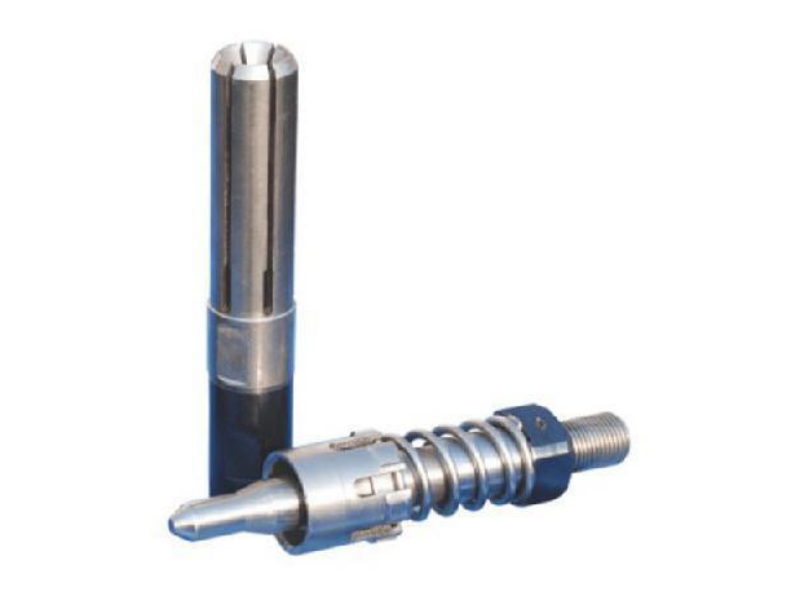
1. The API rod pump can be lowered into the tubing as a whole along with the sucker rod. When checking the API sucker rod pump, there is no need to lift and lower the tubing, which greatly shortens the operation time. Since the operation time is shortened and the number of times the tubing is unfastened is reduced, the service life of the tubing is extended. 2. The sealing support joint of the API rod pump is universal with the tubing. When changing different pump diameters, there is no need to adjust the tubing string of the API rod pump, which reduces maintenance costs. 3. The API rod pump produced by our company has a wide range of applications, suitable for thin oil wells, heavy oil wells, high condensate oil wells, steam drive wells, deep wells, sand-containing wells, gas-containing wells, etc. The API rod pump solves the current problems of sand production in heavy oil wells.
EmailMore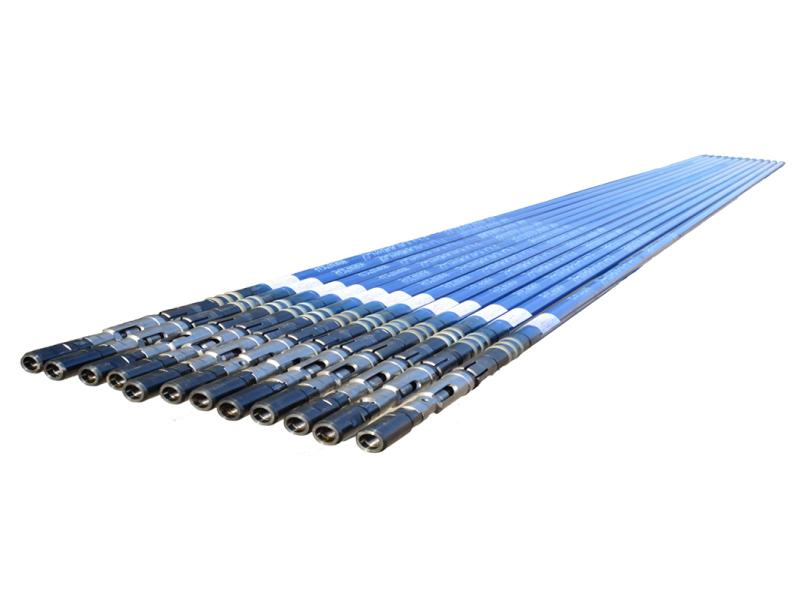
1. API tubing rod pumps adopt an integrated thick barrel design, which can achieve precise matching of the plunger after precision grinding, and API tubing rod pumps adopt a large inner diameter design to increase the fluid displacement of each stroke. 2. API tubing rod pumps are designed with heavy-duty structure to withstand high loads, corrosion and extreme wear. 3. All wearing parts of API tubing rod pumps adopt modular design. On-site maintenance and replacement do not require large-scale lifting. API tubing pump can be directly disassembled and assembled at the wellhead manually. The interchangeability between API tubing rod pump parts is strong, and API tubing pump are suitable for various specifications of tubing and sucker rod systems.
EmailMore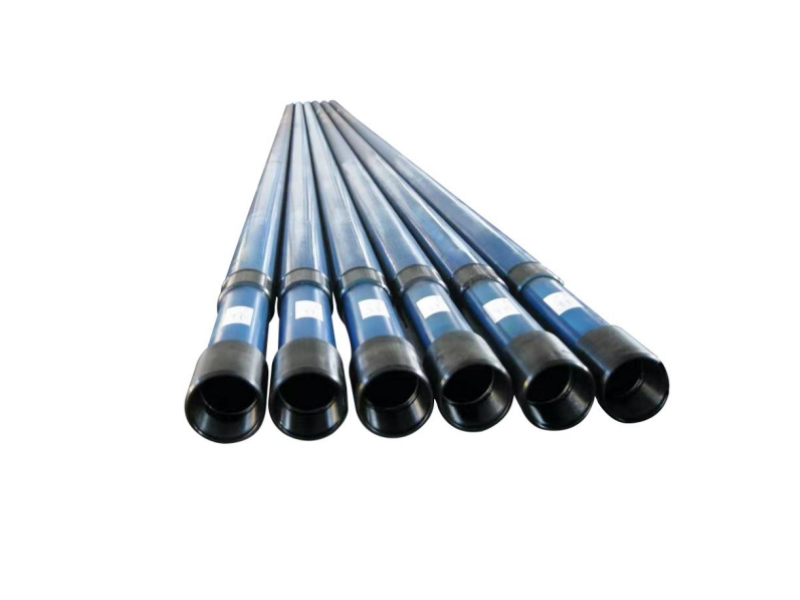
Engineered for sandy and high-viscosity wells. Our lateral oil inlet design prevents sand accumulation, extending pump life in the harshest environments.
EmailMore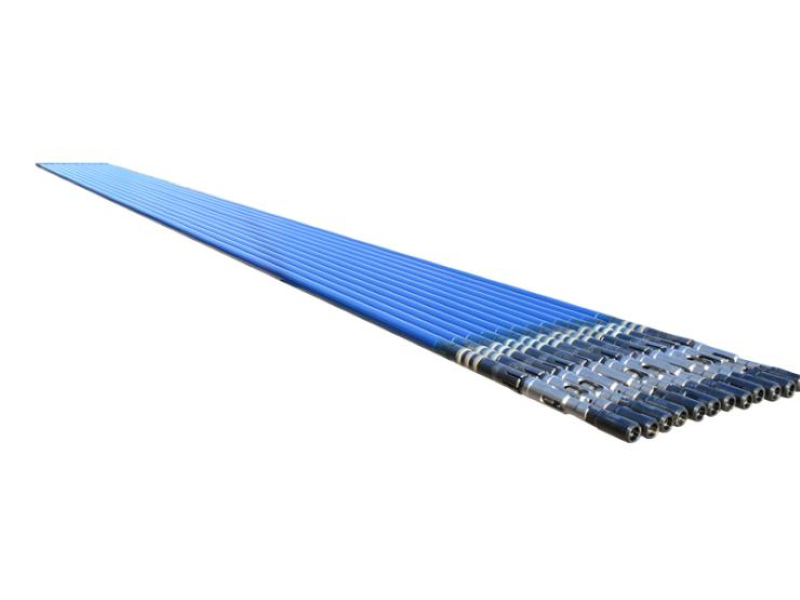
1. Thin oil well sucker oil pump adopts modular design. The core components such as pump barrel, plunger, valve and so on adopt standardized and independent module design, which is convenient for disassembly and replacement. 2. All parts of Thin oil well sucker oil pump can be replaced by conventional oilfield tools without special equipment. 3. Thin oil well sucker oil pump is suitable for low pressure, low liquid level and low liquid production wells, solving the problems of difficult start-up and unstable oil pumping of traditional pumps.
EmailMore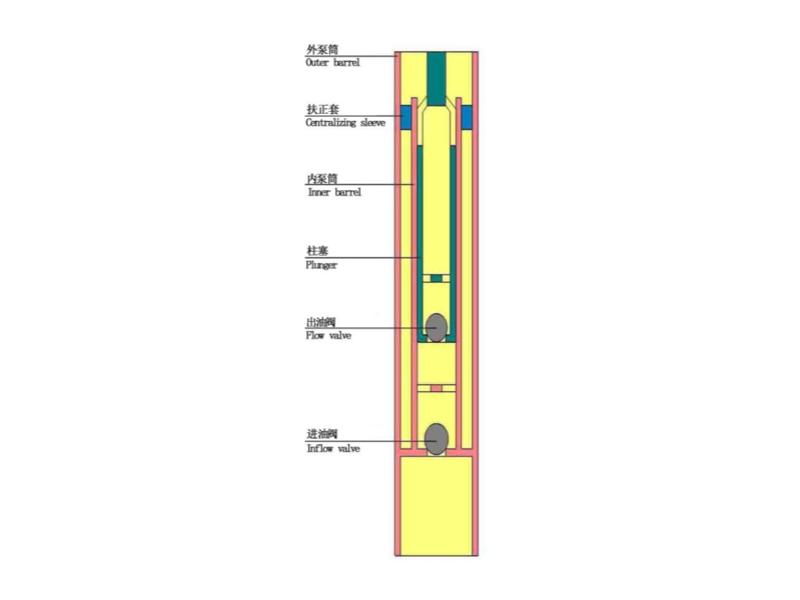
1. Our gas locking prevention oil well pump adopts a mechanical open-and-close oil inlet valve structure. When the gas enters the cavity of the gas locking prevention oil well pump, the pump valve automatically opens and closes by the reciprocating motion of the pump rod, effectively forcing the exhaust and stabilizing the fluid flow. 2. The inlet valve of the gas locking prevention oil well pump is made of high-strength corrosion-resistant alloy material. The gas locking prevention oil well pump avoids leakage or malfunction due to material fatigue. 3. The inlet valve of the gas locking prevention oil well pump adopts a streamlined guide channel design to make the fluid flow path smooth and continuous, reduce turbulence and resistance, and reduce the probability of release of dissolved gas in crude oil.
EmailMore
1. When the sucker rod is lifted 200mm, the plunger of the rod pump for steam injection thermal recovery is lifted synchronously through the mechanical linkage device to connect the steam injection hole of the sealing tube with the oil pipe. 2. The channel of the rod pump for steam injection thermal recovery adopts a high-temperature resistant alloy (Inconel 625) bushing, which can withstand continuous steam scouring at 350℃. In the field test of Liaohe Oilfield, the steam dryness retention rate is ≥85%. 3. When the plunger falls back, the cone surface (tolerance ±0.01mm) of the rod pump for steam injection thermal recovery forms a metal seal with the pump barrel, and the sealing pressure reaches 15MPa.
EmailMore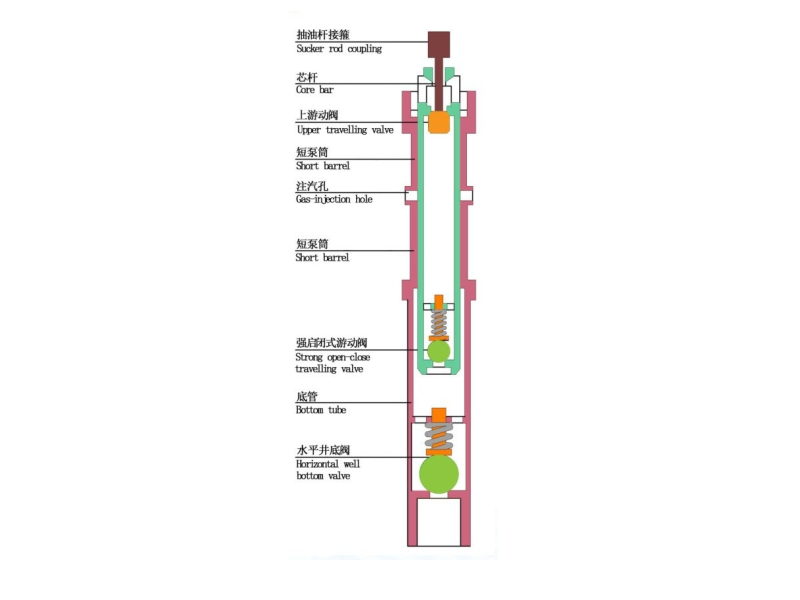
1. The hard chrome plating of our chrome plating carbon steel barrel has high hardness and better wear resistance than ordinary steel pipes, which effectively extends the service life of the downhole pump barrel and reduces the frequency of replacing the downhole pump barrel. 2. The plating surface of our chrome plating carbon steel barrel is precisely machined to perfectly fit the plunger, which is conducive to reducing medium leakage and improving overall efficiency. 3. The dense and non-porous chrome plating of our chrome plating carbon steel barrel can effectively resist water, oil and weak acid and alkali corrosion, adapt to humid and changeable environments, and ensure the long-term stable operation of the rod pump barrels.
EmailMore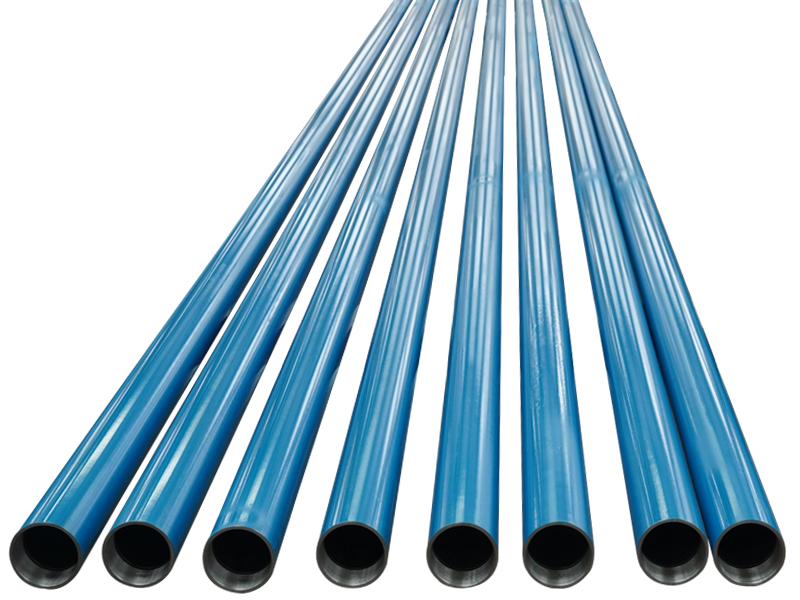
1. Downhole pump plungers can effectively reduce oil leakage and can withstand long-term friction. 2. Specialty spray metal plunger has passed API 11AX and ISO 9001 standard certification, and the quality of special plunger is guaranteed. 3. The wear resistance and corrosion resistance of specialty spray metal plunger make it efficient and stable in oil drilling and mining.
EmailMore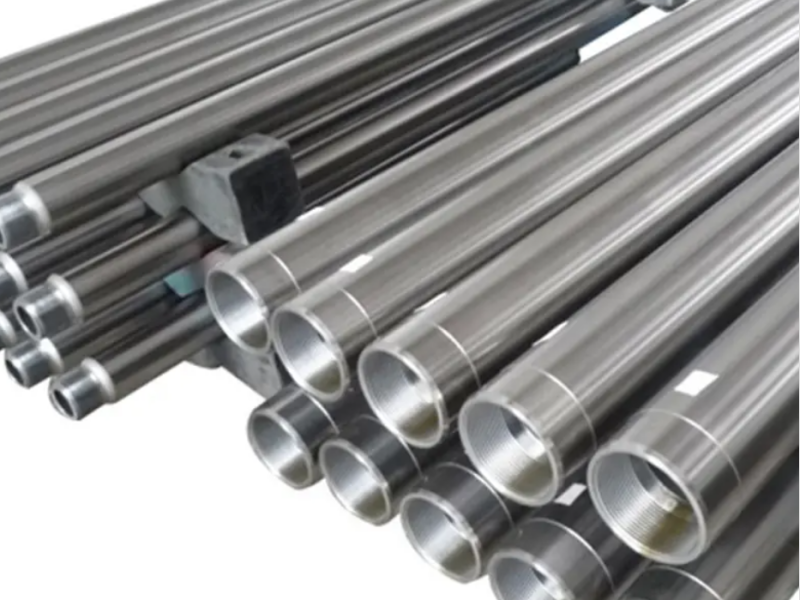
1. Upward stroke: When the plunger of the heavy oil recovery downhole pump moves upward, the upper liquid enters the lower chamber through a specially designed feedback channel to form hydraulic energy storage. 2. Downward stroke: The stored hydraulic energy is converted into auxiliary thrust (actually measured up to 2-5kN), and the super heavy oil injection and production downhole pump can effectively overcome the resistance of heavy oil. 3. Pressure balance design: The heavy oil pump with hydraulic feedback uses our original two-way flow channel structure to balance the pressure inside and outside the pump in real time to avoid air lock and sand jam.
EmailMore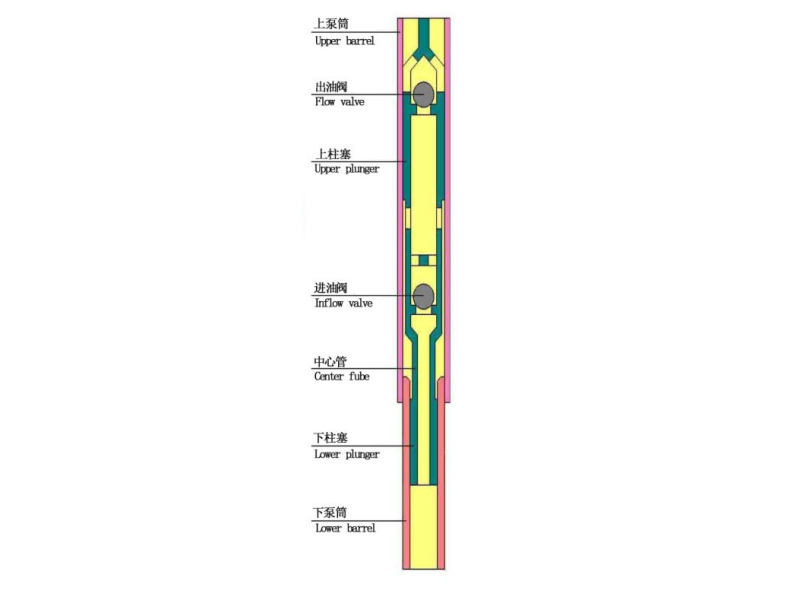
1. The on off tool packer is made of high-quality materials, and the key areas of the on off tool packer are made of thicker materials and surface hardened to achieve excellent strength. 2. The on off tool for oil and gas has special features of fatigue resistance, corrosion resistance, and wear resistance, reducing friction. 3. The off tool assembly enables workers to separate the rod column from the pump without stripping it while leaving the pump downhole, which is simple and convenient.
EmailMore