

Oil Extraction Costs in Major Global Countries
| Ranking | Country | Proved Reserves (Billion Barrels) | Daily Production (10,000 barrels/day) | Average Extraction Cost (USD/barrel) | Remarks |
| 1 | Venezuela | 3,038 | 93 | 20–35 | Largest global reserves; production impacted by sanctions |
| 2 | Saudi Arabia | 2,670 | 960 | 3–10 | World's lowest-cost oil fields |
| 3 | Iran | 2,086 | 310 | 5–12 | Vast reserves; impacted by sanctions |
| 4 | Canada | 1,630–1,703 | 569 | 25–45 | Consists primarily of oil sands resources |
| 5 | Iraq | 1,450 | 445 | 5–15 | Key contributor to production growth in the Middle East |
| 6 | United Arab Emirates | 978–1,130 | 402 | 5–12 | Plans to boost production capacity to 5 million barrels per day |
| 7 | Kuwait | 1,015 | 270 | 5–10 | Ultra-low-cost oil fields |
| 8 | Russia | 800 | 1075 | 15–25 | World's second-largest oil producer |
| 9 | Libya | 484 | 125 | 10–20 | Significantly impacted by political instability |
| 10 | United States | 382–837 | 1360 | 35–65 | World's largest oil producer |
| 11 | Nigeria | 369 | 154 | 15–30 | One of Africa's largest reserve holders |
| 12 | Kazakhstan | 300 | 196 | 15–25 | Major energy power in Central Asia |
| 13 | China | 260 | 411 | 40–60 | Higher production costs |
| 14 | Brazil | 127–159 | 380 | 25–45 | Significant advantages in deepwater sub-salt fields |
| 15 | Algeria | 122 | 144 | 15–30 | Key exporter in North Africa |
Data is derived from the 2025–2026 Global Reserves and Production Statistics.
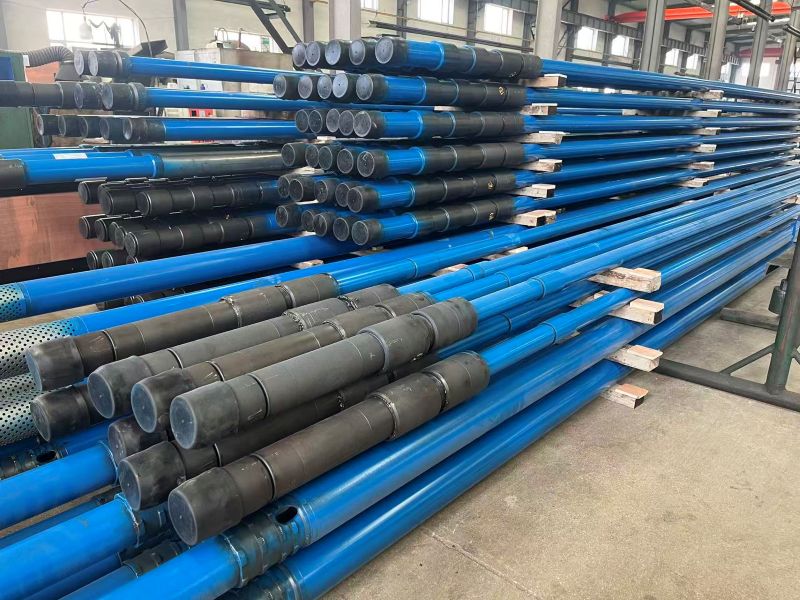
Top 10 Global Oil Reserves (2026)
| Ranking | Country | Proved Reserves (Billion Barrels) |
| 1 | Venezuela | 3,038 |
| 2 | Saudi Arabia | 2,670 |
| 3 | Iran | 2,086 |
| 4 | Canada | 1,630–1,703 |
| 5 | Iraq | 1,450 |
| 6 | United Arab Emirates | 978–1,130 |
| 7 | Kuwait | 1,015 |
| 8 | Russia | 800 |
| 9 | Libya | 484 |
| 10 | United States | 382–837 |
U.S. reserves are subject to varying statistical definitions (such as traditional proved reserves and technically recoverable reserves); consequently, data published by different institutions exhibit significant discrepancies.
Top 10 Global Oil Producers in 2026
| Ranking | Country | Daily Production (10,000 barrels/day) |
| 1 | United States | 1,360 |
| 2 | Russia | 1,075 |
| 3 | Saudi Arabia | 960 |
| 4 | Canada | 569 |
| 5 | Iraq | 445 |
| 6 | China | 411 |
| 7 | United Arab Emirates | 402 |
| 8 | Brazil | 380 |
| 9 | Iran | 310 |
| 10 | Kuwait | 270 |
From the perspective of exporting petroleum equipment—such as oilfield machinery, sucker rod pumps, and rod-type pumps—the markets most worthy of focused development are not necessarily the countries with the largest reserves, but rather:
| Priority | Country | Reasons |
| ★★★★★ | United States | World's largest production volume, vast number of shale oil wells |
| ★★★★★ | Canada | Continued investment in heavy oil and oil sands projects |
| ★★★★★ | Saudi Arabia | Saudi Aramco's ongoing production expansion |
| ★★★★★ | Iraq | Immense demand for the redevelopment of aging oilfields |
| ★★★★★ | United Arab Emirates | ADNOC's sustained expansion of investment |
| ★★★★☆ | Kuwait | Stable demand for the maintenance of mature oilfields |
| ★★★★☆ | Kazakhstan | Widespread adoption of rod pumping systems in onshore oilfields |
| ★★★★☆ | Russia | Globally leading scale of rod pump application |
| ★★★★☆ | Brazil | Growth in investment in offshore oilfields |
| ★★★☆☆ | China | Intense competition in the domestic market |
For sucker rod pump manufacturers, Russia, Kazakhstan, the United States, Canada, Iraq, and the UAE typically offer greater practical development value than Venezuela or Libya.
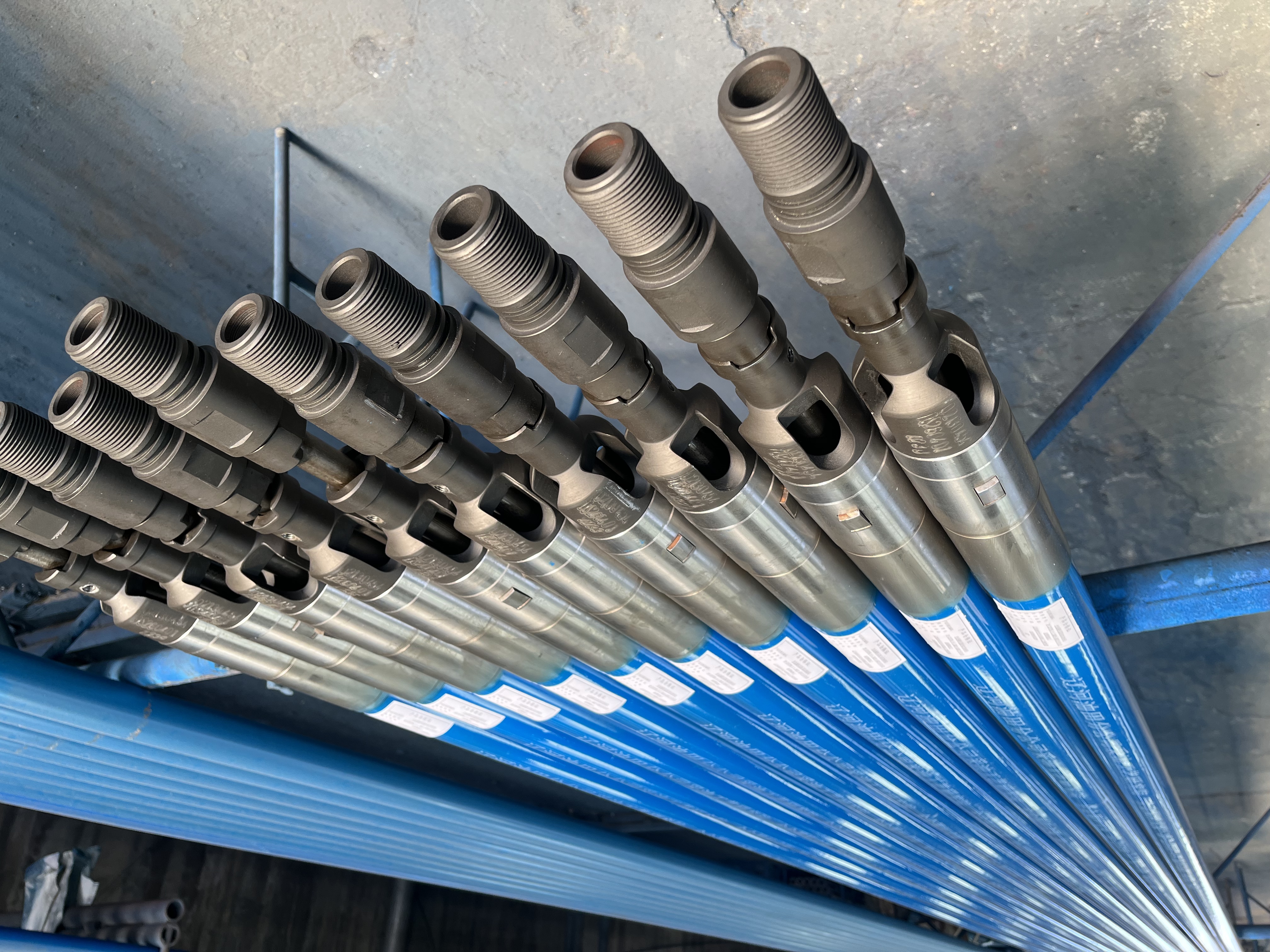
Why Oil Production Costs Matter for Oilfield Equipment Buyers
Oil production costs directly influence how oil companies invest in equipment and technology. In low-cost producing countries such as Saudi Arabia and the UAE, operators often focus on long-term reliability and production expansion. In higher-cost markets such as the United States, Canada, and China, companies place greater emphasis on improving production efficiency, reducing downtime, and lowering operating costs.
As a result, the demand for high-performance oilfield equipment—including sucker rod pumps, tubing pumps, and sand-control pumping systems—is often driven by the need to maximize production while minimizing overall lifting costs. Understanding production costs helps equipment suppliers identify the most promising markets and provide solutions that match local operating conditions.
Real Project Experience in Major Oil-Producing Countries
As a manufacturer specializing in API 11AX sucker rod pumps and downhole pumping equipment since 2000, we have supplied rod pump systems and related oilfield equipment to customers in several major oil-producing regions around the world.
Russia – Mature Oilfield Production Enhancement
Russia remains one of the world's largest oil producers, with a large number of mature oilfields relying on artificial lift systems. We have successfully supplied sucker rod pumps and replacement pump components to Russian oilfield operators, helping improve pump efficiency and reduce maintenance frequency in challenging operating environments.
China – CNPC Liaohe Oilfield Project
As one of China's important oil-producing regions, the Liaohe Oilfield requires reliable artificial lift equipment for long-term production. We have supplied rod pump products and related components for projects associated with CNPC, supporting stable crude oil production and efficient well operations.
North America – Equipment Delivery for Oilfield Operators
The United States and Canada remain among the world's most active oil-producing markets. We have completed equipment deliveries for customers in North America, supplying API-standard sucker rod pumps and customized pumping solutions that meet demanding production requirements.
South America – Supporting Oilfield Development
South America possesses some of the world's largest proven oil reserves. Through cooperation with regional customers, we have supplied pumping equipment for oil production projects and provided customized solutions based on different reservoir conditions and production requirements.
Manufacturing Strength Behind Every Project
To support customers in major oil-producing countries, we operate a manufacturing facility covering more than 20,000 square meters with over 100 employees. Our production system is certified under API and ISO standards, with an annual production capacity exceeding 20,000 sets of rod pumps and related oilfield equipment.
With more than 25 years of industry experience, we continue to provide reliable pumping solutions for oil producers seeking higher production efficiency, lower operating costs, and longer equipment service life.
FAQ
Which Country Has the Largest Oil Reserves?
Venezuela currently has the world's largest proven oil reserves, estimated at more than 300 billion barrels. However, its actual oil production remains relatively low due to sanctions, infrastructure limitations, and investment challenges.
Which Country Produces the Most Oil?
The United States is currently the world's largest oil producer, with daily production exceeding 13 million barrels. The rapid development of shale oil technology has significantly increased U.S. production capacity over the past decade.
Why Is Saudi Arabia's Oil Production Cost So Low?
Saudi Arabia benefits from giant conventional onshore oil fields, shallow reservoirs, and highly developed infrastructure. These factors allow the country to produce oil at some of the lowest costs in the world, often below $10 per barrel.
Why Is Oil Production More Expensive in Canada?
Canada's oil production mainly relies on oil sands projects, which require complex extraction and upgrading processes. In addition, harsh weather conditions and high energy consumption contribute to higher production costs compared with conventional oil fields.
Which Countries Have the Highest Demand for Sucker Rod Pumps?
Countries with large numbers of mature onshore oil wells typically have the highest demand for sucker rod pumps. Major markets include the United States, Russia, Kazakhstan, Canada, Iraq, and China, where artificial lift systems are widely used to maintain stable oil production.
What Is the Difference Between Rod Pumps and Tubing Pumps?
A rod pump is inserted and removed through the tubing using sucker rods, making maintenance easier without pulling the entire tubing string. A tubing pump, on the other hand, is installed directly on the tubing and is generally used in deeper wells or high-production conditions where larger pump capacity is required.