

A sucker rod pump system is a mechanical artificial lift system used in oil wells to lift crude oil from underground reservoirs to the surface when natural pressure is insufficient. It works through a reciprocating motion that converts surface mechanical energy into downhole pumping action.
1. Introduction
A sucker rod pump system is one of the most widely used artificial lift methods in the oil industry. It is designed for wells where natural reservoir pressure can no longer bring oil to the surface.
The system uses a surface-driven mechanical mechanism to operate a downhole pump, making it a reliable and cost-effective solution for long-term oil production.
This guide explains its structure, working principle, applications, advantages, limitations, and selection criteria.
2. What Is a Sucker Rod Pump System?
A sucker rod pump system is a mechanical reciprocating lifting system used in oil production to lift fluids from deep wells.
It is widely applied in:
Mature oilfields
Onshore oil wells
Medium-depth reservoirs
Low-pressure production wells
The system is part of conventional artificial lift technologies widely recognized in oilfield engineering practices and standards defined by the American Petroleum Institute.
3. Sucker Rod Pump System Components
A complete system includes surface and downhole equipment.
3.1 Surface Pumping Unit
The surface unit converts rotational motion into reciprocating motion.
Main parts:
Prime mover (motor or engine)
Gear reducer
Walking beam
Pitman arms
Horsehead
3.2 Sucker Rod String
The rod string transmits motion from surface to downhole pump.
Key features:
High-strength steel material
Modular connection design
Designed for deep well mechanical load
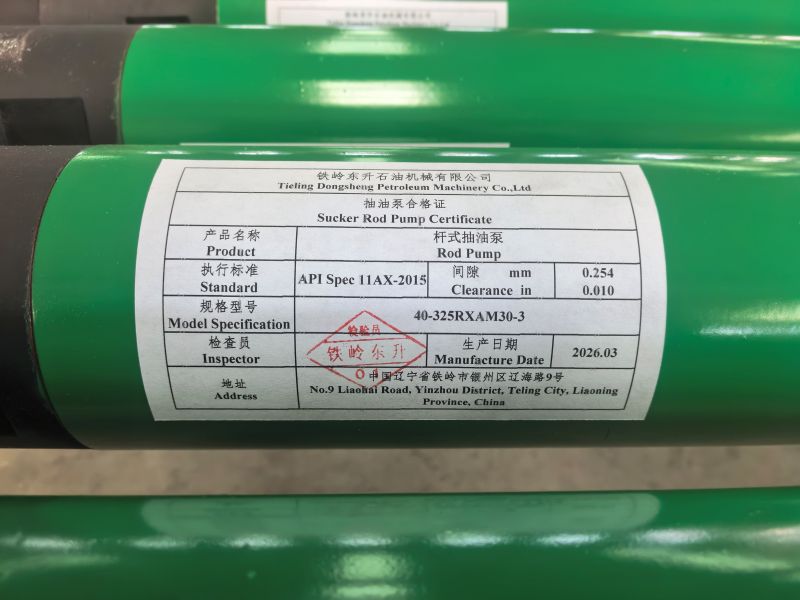
3.3 Downhole Pump
This is the main production unit.
Includes:
Pump barrel
Plunger
Standing valve
Traveling valve
3.4 Tubing System
Provides flow path for produced fluids.
Must resist:
Pressure variations
Corrosion
Sand erosion
4. Working Principle of Sucker Rod Pump System
Upstroke
During upstroke:
Rod string moves upward
Plunger rises
Traveling valve closes
Standing valve opens
Fluid enters pump chamber
Downstroke
During downstroke:
Rod string moves downward
Plunger descends
Standing valve closes
Traveling valve opens
Fluid is displaced upward into tubing
Continuous Cycle
This repeated motion creates a continuous oil production flow.
5. Where Is It Used?
Sucker rod pump systems are widely used in:
Onshore oilfields
Aging reservoirs
Medium-depth wells
High water-cut wells
Conventional oil production zones
6. Advantages of Sucker Rod Pump System
6.1 High Reliability
A simple mechanical structure ensures stable long-term operation.
6.2 Low Operating Cost
Lower maintenance cost compared to complex electric systems.
6.3 Easy Maintenance
Components can be repaired or replaced on-site.
6.4 Flexible Application
Works in different depths and fluid conditions.
7. Limitations of Sucker Rod Pump System
Limited performance in ultra-deep wells
Rod and tubing wear issues
Efficiency loss in deviated wells
Not suitable for very high production rates
8. Sucker Rod Pump vs Other Artificial Lift Systems
8.1 Rod Pump vs ESP
| Feature | Rod Pump | ESP |
| Maintenance | Stability | Complex |
| Cost | Low | High |
| Depth range | Medium | High |
| Stability | High | Sensitive |
8.2 Rod Pump vs PCP
Rod pump: best for conventional oil & water production
PCP: best for heavy oil & viscous fluids
9. How to Select a Sucker Rod Pump System
Key selection factors:
Well depth
Fluid viscosity
Sand content
Production rate
Temperature conditions
Well deviation angle
10. Common Problems & Maintenance
Rod failure
Caused by fatigue and corrosion.
Pump leakage
Due to valve wear or sealing issues.
Tubing wear
Caused by rod friction.
Maintenance strategy
Regular inspection
Load monitoring
Rod alignment checks
11. Materials & Engineering Standards
Common materials include:
Alloy steel rods
Chrome-plated plungers
Hardened barrels
Anti-corrosion coatings
Manufacturing often follows standards from the American Petroleum Institute to ensure reliability and safety.
12. Efficiency Optimization Factors
Performance depends on:
Stroke length
Pump speed
Fluid level
System balance
Proper optimization improves lifespan and reduces downtime.
13. Lifespan of Sucker Rod Pump System
Typical service life depends on conditions:
Standard conditions: 6–18 months per pump inspection cycle
Optimized operations: longer service intervals
Harsh environments: shorter cycles
14. Industry Trends
Future development includes:
Smart monitoring systems
Predictive maintenance
Digital oilfield integration
High-performance materials
15. FAQ
What is a sucker rod pump used for?
It is used to lift crude oil from underground reservoirs when natural pressure is insufficient.
How does a sucker rod pump work?
It works by converting surface mechanical energy into reciprocating motion that drives a downhole pump.
What is the difference between a rod pump and an ESP?
Rod pumps are mechanically driven systems, while ESP systems use electric submersible motors.
How deep can a sucker rod pump work?
It is typically used in medium-depth oil wells, depending on design and operating conditions.
Is a sucker rod pump suitable for all oil wells?
No, it is mainly used for conventional onshore and mature oilfields.
A sucker rod pump system remains one of the most reliable and widely used artificial lift technologies in global oil production. Its mechanical simplicity, low cost, and adaptability make it a preferred solution for mature oilfields.
While advanced systems like ESP offer higher efficiency in certain applications, rod pump systems continue to dominate conventional oil production due to their stability and ease of maintenance.