
Get the latest price? We will reply as soon as possible (within 12 hours)

News

  • Injection and Production Pump Overview
    08-12/2025
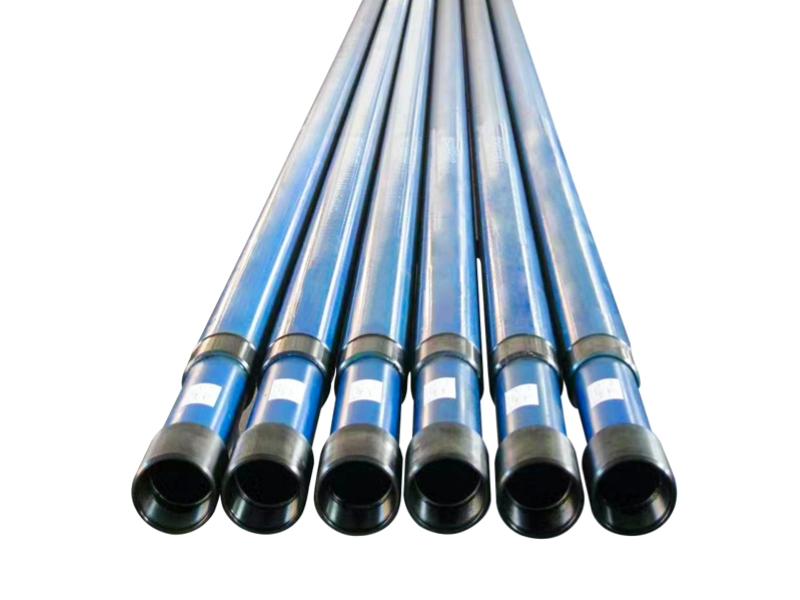
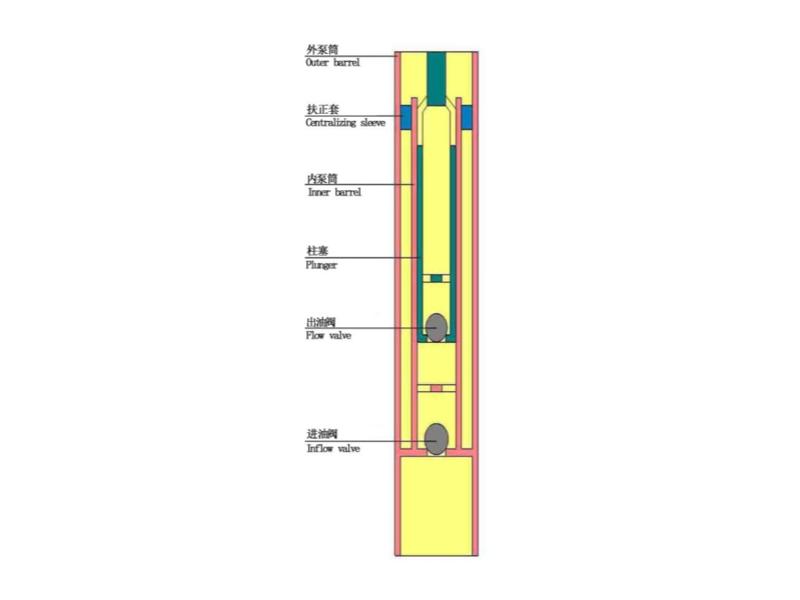
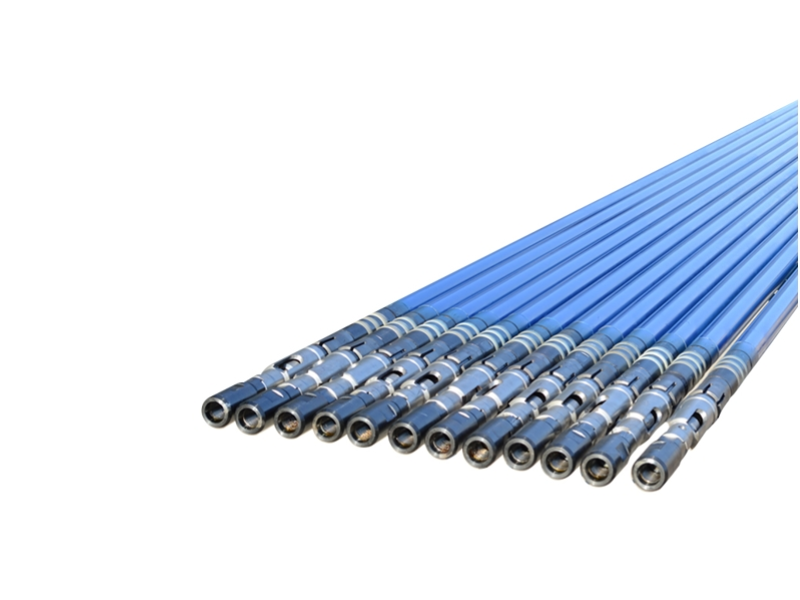
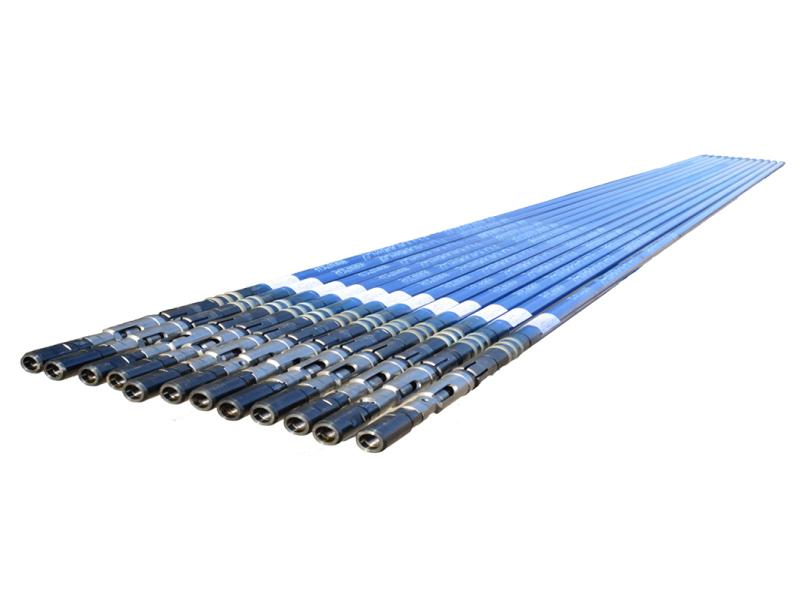
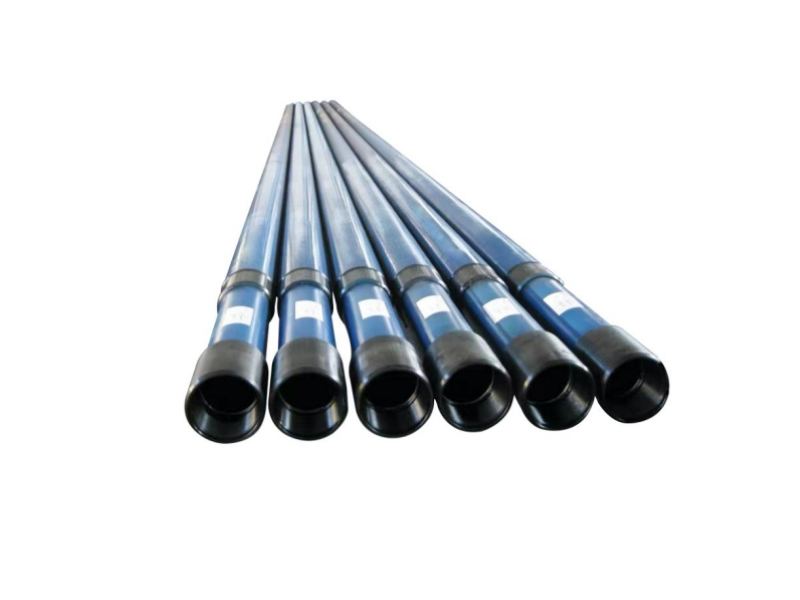
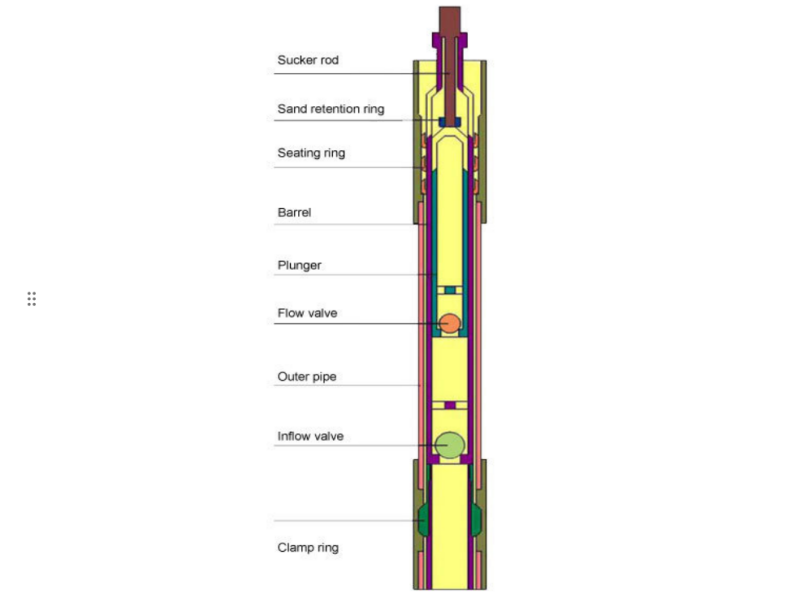
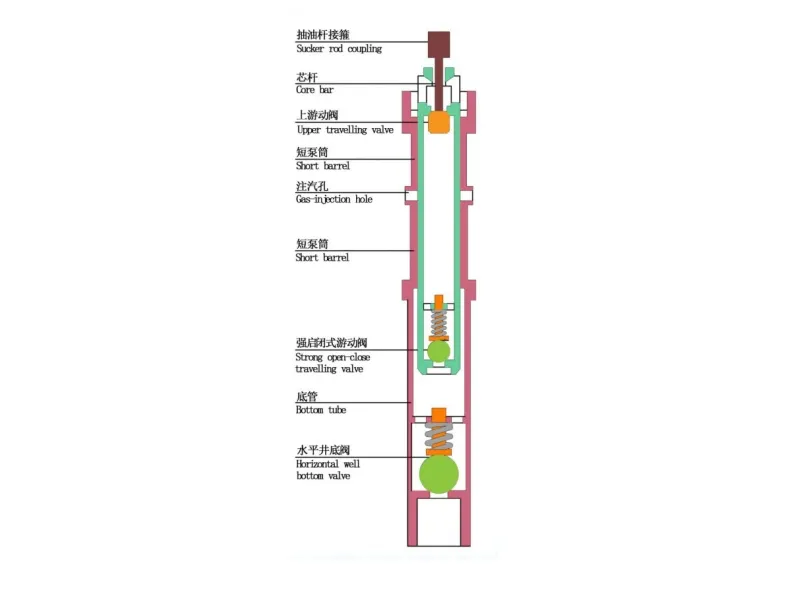
    I. Injection and Production Pump Overview: The injection and production pump is a simplified injection pump designed for steam flooding/huff-and-puff operations in high-temperature heavy oil wells. Its core feature is dual-use injection and production: simple and reliable conversion between injection and production. The injection and production pump utilizes a large-diameter, long-stroke pump barrel and plunger, effectively increasing fluid production. A dedicated disconnector for large pumps is used to disconnect the plunger from the sucker rod. The upper outlet valve and lower portion of the plunger are machined with sharp-angle scraping edges. In annular thermal recovery wells, the reciprocating motion of the plunger continuously removes scale and sand from the inner wall of the pump barrel, reducing and preventing sand blockage. The injection and production pump is suitable for pumping heavy and extra-heavy oil under challenging conditions such as high temperatures and sand content. The heavy oil pump successfully addresses the challenges of extra-heavy oil recovery.
  • How Does a Long Plunger Sand Control Pump Solve the Pump Sticking Problem?
    08-08/2025
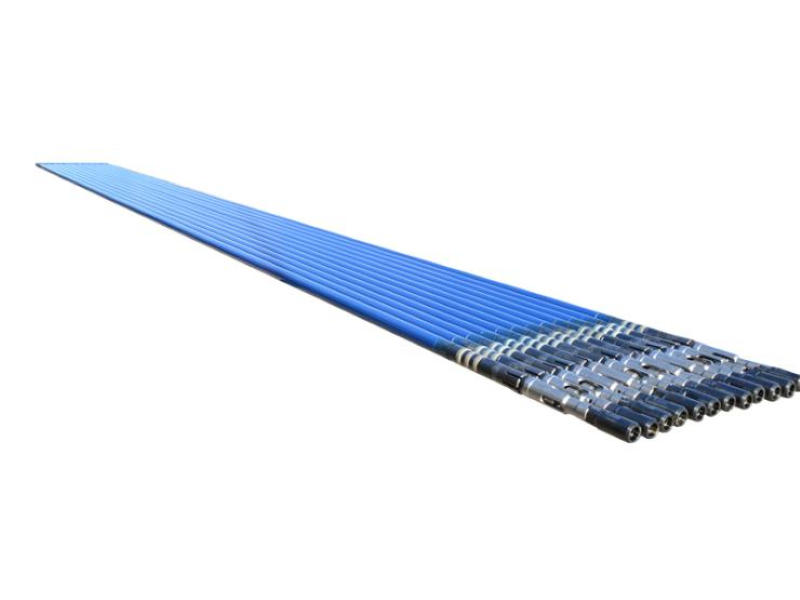
    1. Why do pumps frequently stick at the wellhead? In production of wells with high sand content, oil well pumps can experience plunger sticking and severe seal wear, impacting well production efficiency and equipment life. Conventional oil well pump designs have a short service life in sandy environments. To address this issue, we have developed a long plunger sand control pump. Below, we will provide a detailed analysis of the long plunger sand control pump.
  • Anti-Gas Sucker Rod Pump: The Ultimate Guide
    08-07/2025
    Learn an in-depth understanding of efficient solutions to oil well degassing challenges. I. What is an anti-gas sucker rod pump? An anti-gas sucker rod pump is a type of pumping equipment specifically designed to address high gas content in well fluids. It is an improved version of the sucker rod pump. Its unique structural design and degassing mechanism effectively prevent gas from entering the pump body, resolving the "gas lock" or "gas cap" issues associated with conventional sucker rod pumps and improving oil recovery efficiency.
  • Oil Recovery Methods— Sucker Rod Pump
    08-06/2025
    What are the advantages and disadvantages of the Sucker Rod Pump (SRP) system? That's what I'll share today. In the previous article, I introduced the fountain method and gas lift method for oil recovery. These two methods are typically used in the initial stages of oil field development, when internal energy or a small influx of external energy in the form of gas is sufficient to lift the oil.
  • Oil Extraction Methods - Fountain and Gas Lift
    08-04/2025
    In this article, I will briefly introduce the main methods of oil extraction. Oil exists in layers of porous rock (accumulators). It is in these accumulators that the oil accumulates. A second prerequisite is that the accumulators must be covered by an impermeable oil and gas seal; otherwise, the gas will evaporate and the oil will eventually turn into bitumen. To extract oil, a well must be drilled. The well enters the oil-producing stratum, and here the fun begins—the oil must be brought to the surface somehow.
  • The Difference Between a Deep-Well Sucker Rod Pump and an Anti-Gas Sucker Rod Pump
    08-02/2025
    Deep-well sucker rod pump is a mechanical oil production equipment used for deep well oil extraction, which is a core component of the rod pump oil production system. Anti gas sucker rod pump is a pumping equipment specifically designed for gas-bearing wells, mainly used to reduce or avoid the impact of gas on pumping efficiency. So do you know the difference between them?
  • Reasons for Sucker Rod Pump Inspections
    08-01/2025
    There are many reasons for oil well pump inspections, which can be summarized into three categories: First, periodic inspections based on the pumping well's production patterns; second, production stoppages caused by sudden failures in the pumping well, primarily involving sucker rod pump failures; and third, pump replacements or deeper drilling to increase production. These inspections can be broken down into the following categories:
  • Do You Know How to Maintain and Maintain the API Rod Pump?
    07-31/2025
    API rod pump, also known as a rod pump, is a type of equipment used for oil pumping, which is mainly composed of a ground drive section, a downhole section, an electronic control section, and supporting tools. API rod pumps can effectively cope with high-viscosity, gas-bearing, and sand-containing crude oil during oil recovery, and are an important tool for modern oil well exploitation. Maintenance and servicing of API rod pumps are essential to ensure their efficient operation and extended service life. So do you know how to maintain and maintain rod pumps?
  • Overview of Artificial Lift Technology
    07-25/2025
    In the early stage of oil field exploitation, the oil reservoir often has a large amount of energy, and the oil can flow from underground to the ground by energy. As the energy of the oil reservoir is continuously consumed, when the energy of the oil reservoir is not enough to make the oil flow to the ground along the wellbore by its own energy, it is necessary to supplement the energy artificially to make the oil be extracted to the ground, which we collectively call artificial lift.
  • What Is the Difference Between API Tubing Pump and Electric Submersible Screw Pump?
    07-24/2025
    In the previous article, we talked about what is the difference between api sucker rod pump and submersible electric pump? If you want to know more about the related content, you can click the link to visit! Overview of API tubing pump: 1. Composition of oil pump: The pump barrel assembly of API tubing pump is directly connected to the lower end of the oil pipe, and the plunger goes into the pump barrel with the sucker rod. API tubing pump consists of two parts: pump barrel assembly and plunger assembly. The pump consists of a pump barrel, a fixed valve and a hollow plunger with a floating valve. 2. Working principle: During the pumping process, the plunger reciprocates up and down in the pump barrel with the movement of the sucker rod. During the upstroke, the floating valve ball on the plunger is closed, the fixed valve ball is opened, and the plunger discharges the liquid in the upper chamber into the upper oil pipe of the pump. At the same time, the liquid in the well enters the lower chamber of the pump barrel through the fixed valve under the action of the inlet pressure. During the downstroke, the fixed valve is closed, the floating valve is opened, and the liquid in the lower chamber of the pump enters the upper chamber of the pump barrel through the inner cavity of the plunger. The plunger surges up and down, and the liquid is continuously pumped to the wellhead. 3. Analysis of the reasons for API tubing pump repair: For coalbed methane wells, repair is mainly caused by eccentric wear and pump failure. Well repair requires all the pipes to be lifted out of the ground. There is a detailed description later.