
Get the latest price? We will reply as soon as possible (within 12 hours)

News

  • How Does Artificial Lift Work?
    09-03/2025
    Imagine that an oil mine that has been mined for many years is like a well that is about to dry up. When it cannot “carry” crude oil from the depths of the ground to the ground on its own, engineers will activate artificial lift technology to help. This kind of technology is not magic, but the crystallization of human wisdom-it uses external equipment to “pump up” the oil well and let the crude oil flow obediently. Today, let's take a look at how artificial lift works step by step.
  • What Is Artificial Lift Technology?
    09-03/2025
    Artificial lift oil recovery method is a method of artificially replenishing energy to the bottom of an oil well and lifting oil from the reservoir to the wellhead. It is a key technical link in oil recovery engineering. After decades of development, a number of lifting technologies such as oil pumps, screw pumps, electric submersible pumps, and air lifts have been formed to meet the needs of conventional oil recovery, but at the same time there are also a series of problems such as low efficiency, high energy consumption, and short pump inspection cycles. In recent years, the field of unconventional oil and gas extraction has been very lively, and the difficulty of extracting oil and gas reservoirs has also increased. In the face of increasingly complex oil well lifting conditions and rising oil production costs, efficient and low-cost artificial lift technology has also become the research focus of major oil service companies.
  • Principle, Performance and Selection of Rod Pump Pumping System
    09-03/2025
    In the field of oil extraction, manual lifting methods are essential. Among them, rod pumps are a common and efficient way to pump oil.This article will discuss in depth the principle, performance analysis and how to choose a suitable pumping device of the rod pump pumping system.
  • Are All Gas Lifts the Same Size?
    09-02/2025
    To understand the reasons for the size difference, we must understand the working principle of the gas lift. As the mainstream artificial lifting method, the core of gas lifting is to reduce the density of crude oil by injecting high-pressure gas into the oil well. However, the “thrust” required for different oil wells is very different: Shallow wells may only require small compressors, while ultra-deep wells require truck-like giant equipment. The gas lifting device used in a shallow oilfield in Karamay, Xinjiang, covers an area of less than 10 square meters; In the deep-sea oilfield in Bohai Bay, the volume of similar equipment is comparable to that of a container-the size difference is directly due to the precise adaptation of manual lifting to well conditions.
  • 100 Q&A on Oil Production Basics (Part 2)
    09-02/2025
    ​Continuing from the previous article, click to jump to questions 1-50! This "100 Q&A on Oil Production Basics (Part 2)" continues in a Q&A format, covering questions 51-100. These questions primarily cover oil well performance analysis, oil well operation monitoring, water injection and flooding operations, pumping unit and electric pump well maintenance, and the basic concepts and operation of Christmas trees and oil and gas transmission systems.
  • How to Prevent Gas Lock During Oil Production
    09-02/2025
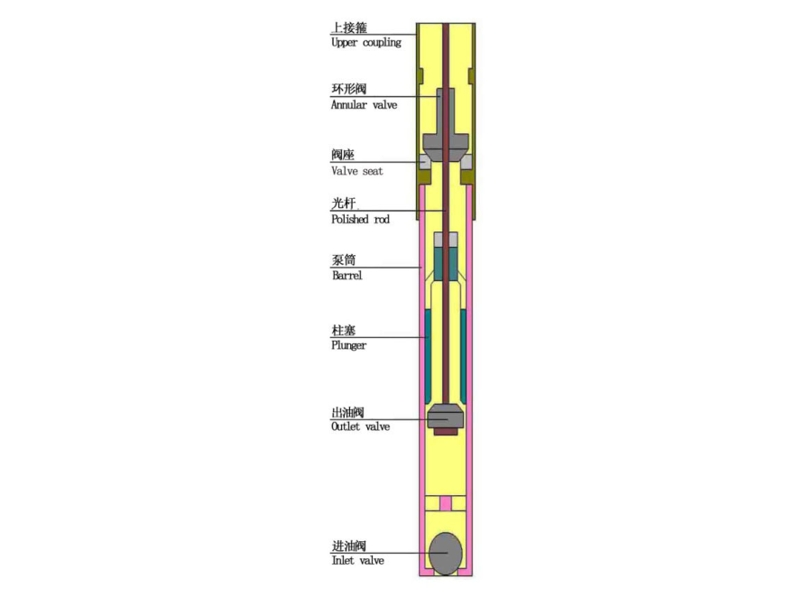
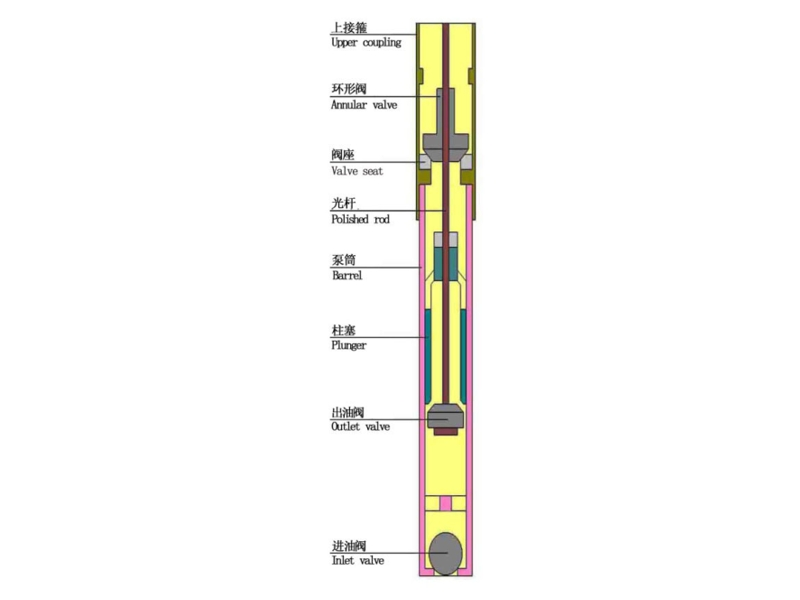
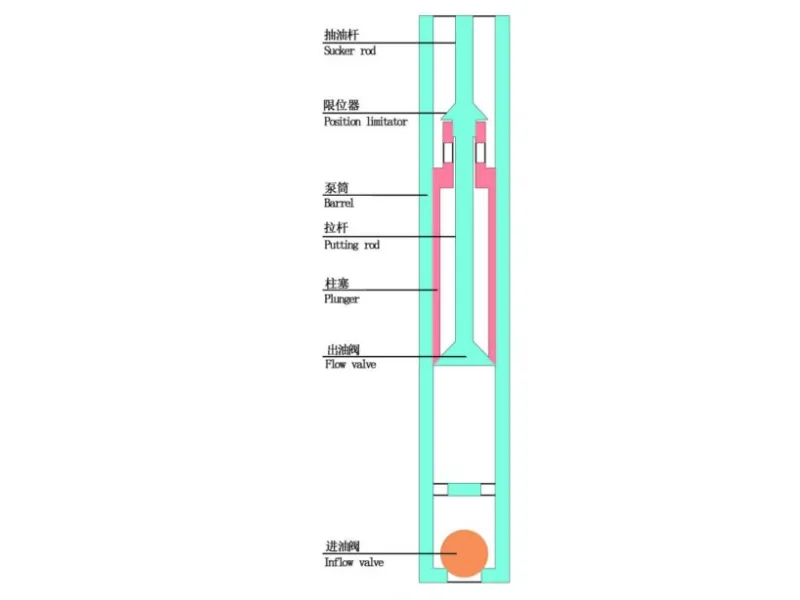
    What is Gas Lock? Some oil wells contain a high concentration of gas, which can enter the pump barrel through the fixed valve. If not promptly vented, the gas will gradually fill the space below the plunger in the pump barrel. As the plunger descends, the liquid in the tubing string acts on the traveling valve, exerting significant pressure. This prevents the traveling valve from opening, compressing the gas in the pump barrel below the plunger and preventing the flow of liquid above the plunger. As the plunger ascends, the compressed gas expands, exerting pressure on the fixed valve, preventing it from opening and preventing the pump from drawing liquid. This repetitive cycle of gas compression and expansion without any discharge is called gas lock.
  • How the Plunger Lifting System Works
    09-02/2025
    Plunger lifting system is a typical manual lifting technology to deal with the problem of fluid accumulation in low-yield wells. When the oil well cannot continue to produce crude oil due to insufficient pressure, the plunger lifting system will realize the lifting of crude oil through the periodic movement of the metal plunger, which is an important branch of mechanical manual lifting.
  • Best Budget API Tubing Pumps in 2025
    09-01/2025
    In many oilfields, especially unconventional resource wells, traditional lifting equipment is prone to the following problems: Short lifespan: Sandy or corrosive well fluids cause rapid wear of the pump body; Frequent maintenance: Frequent well shutdowns for inspections lead to reduced production; High labor dependency: Experienced technicians are required to maintain operation. These pain points are driving more and more buyers in 2025 to seek solutions that reduce O&M costs while ensuring long-term stable operation. Table of Contents: Why choose an API tubing pump? (Highlighting the value of this solution) API tubing pumps are compatible with different well depths and well conditions Recommended Best Budget API tubing pumps in 2025 Factors affecting API tubing pump prices How to choose the right API tubing pump Supply and after-sales service
  • What Is the Main Difference Between a Natural Flow Well and an Artificial Lift Well
    09-01/2025
    Artificial lifting technology is an indispensable means in oilfield development. It refers to the system engineering of supplementing the lack of natural energy in the formation through external equipment to achieve efficient crude oil extraction. As the oilfield enters the mid-to-late development stage, the formation pressure drops, and the natural flow well is gradually unable to maintain production. At this time, manual lifting has become the key to ensure stable production.
  • Application Scenarios of Sucker Rod Pump
    09-01/2025
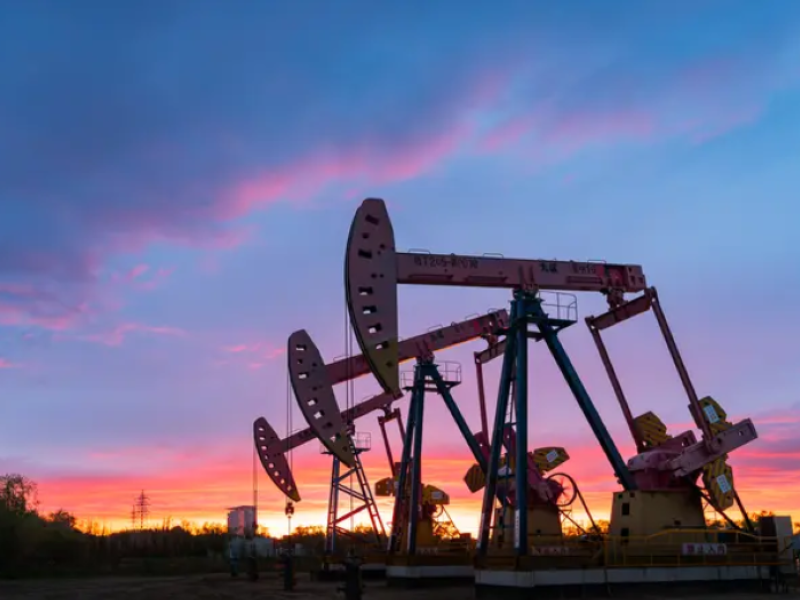
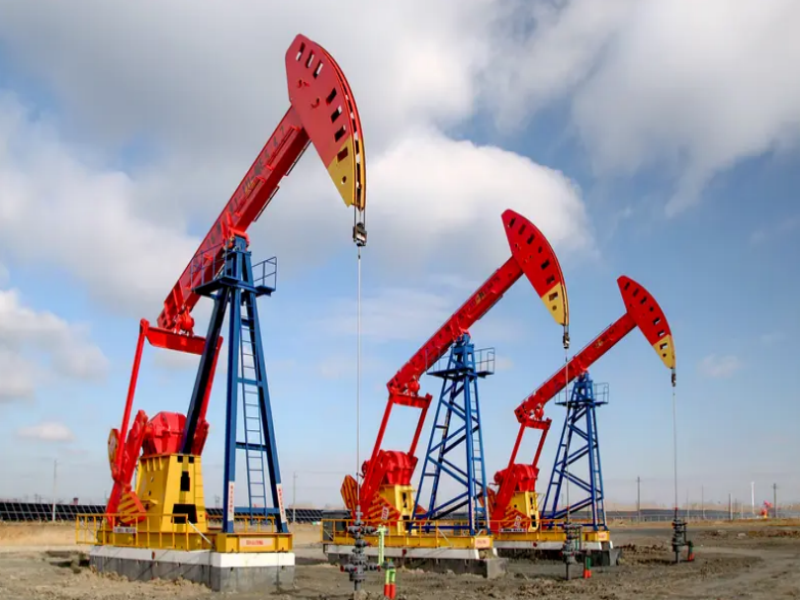
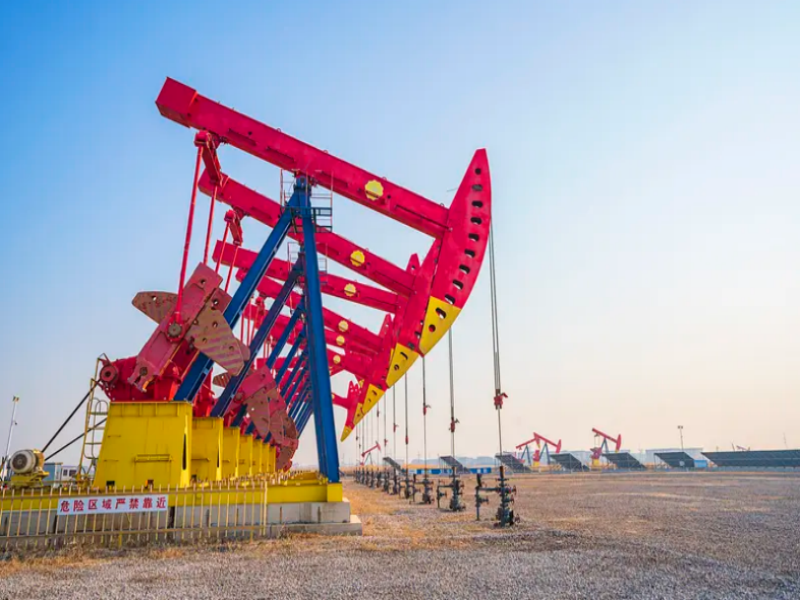
    In the process of oilfield development, sucker rod pump has always played a very important role. This kind of device, which drives the downhole plunger to work through the ground pumping unit, is like a loyal partner, accompanying the oil well through the middle and late stages of production attenuation. The core value of sucker rod pump lies in its reliability, durability and easy maintenance, especially suitable for the continuous production of conventional onshore oil fields. When the natural energy of the oil well is gradually exhausted, sucker rod pump becomes the key pillar to maintain stable crude oil production.